Fishing Calendar App
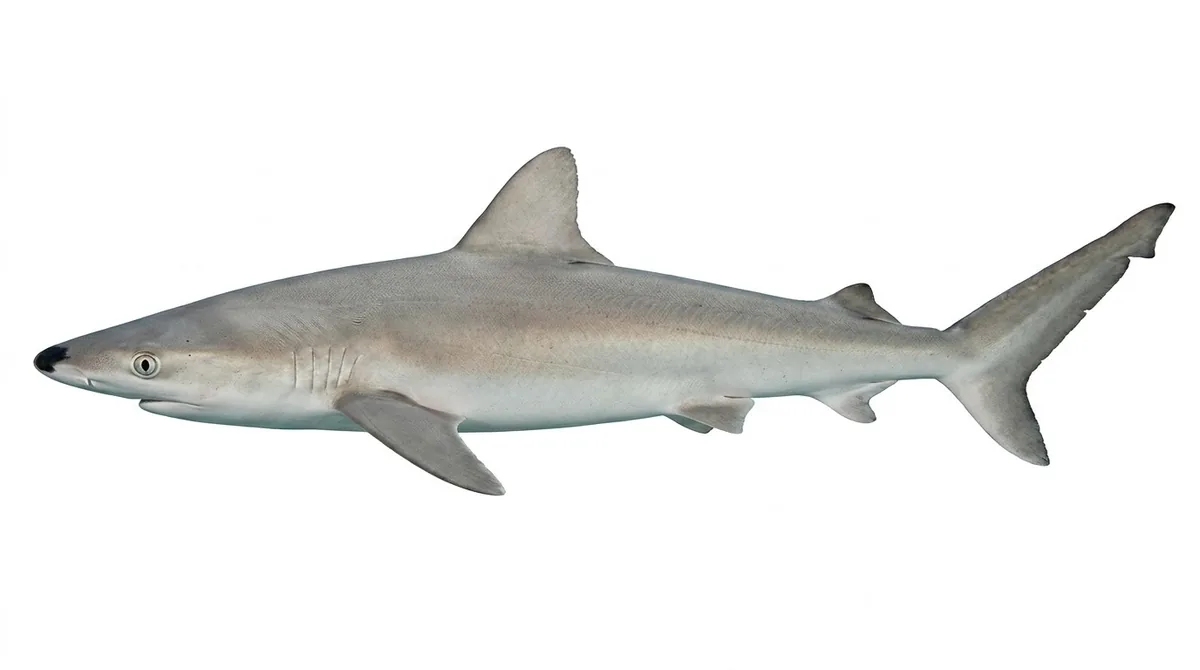
Blacknose shark
Carcharhinus acronotus
- Saltwater
- Endangered
- Max length
- 200 cm
- Class
- Elasmobranchii
- Order
- Carcharhiniformes
- Family
- Carcharhinidae
- Genus
- Carcharhinus
- Atlantic, Western Central
About the blacknose shark
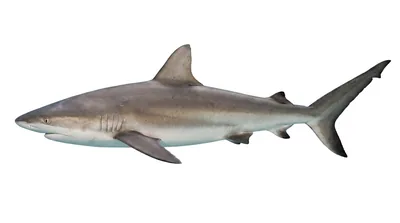
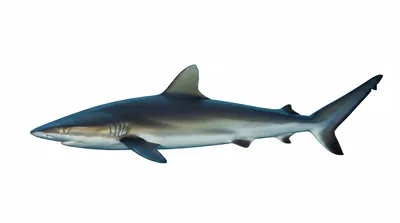
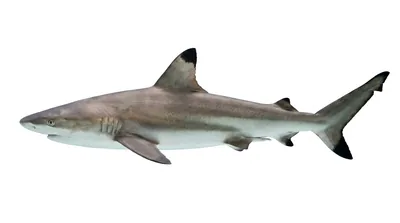
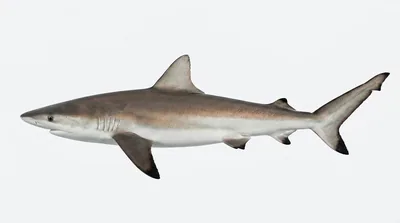
The blacknose shark (Carcharhinus acronotus) is a species of requiem shark, belonging to the family Carcharhinidae, common in the tropical and subtropical waters of the western Atlantic Ocean. This species generally inhabits coastal seagrass, sand, or rubble habitats, with adults preferring deeper water than juveniles. A small shark typically measuring 1.3 m (4.3 ft) long, the blacknose has a typical streamlined "requiem shark" shape with a long, rounded snout, large eyes, and a small first dorsal fin. Its common name comes from a characteristic black blotch on the tip of its snout, though this may be indistinct in older individuals.
Blacknose sharks feed primarily on small bony fishes and cephalopods, and in turn fall prey to larger sharks. Like other members of their family, they exhibit a viviparous mode of reproduction in which the developing embryos are sustained by a placental connection. The females give birth to three to six young in late spring or early summer, either annually or biennially, after a gestation period of eight to 11 months. This species is not known to attack humans, though it has been documented performing a threat display towards divers. It is of moderate commercial and recreational importance. In 2009, the U.S. National Oceanic and Atmospheric Administration announced the populations of the blacknose shark off the United States are being overfished, and proposed new conservation measures.
Distribution
The blacknose shark inhabits the continental and insular shelves off the eastern coast of the Americas, as far north as North Carolina and as far south as southern Uruguay, including the Bahamas, the Gulf of Mexico, and the Caribbean Sea. They frequent coastal waters over beds of seagrass, sandy flats, and shell or coral rubble. This species is spatially segregated by size and sex. Generally, only young sharks are encountered in shallow water, as the adults prefer depths greater than 9 m (30 ft) and is most common at 18–64 m (59–210 ft). Blacknose sharks in the South Atlantic Bight (off the Atlantic coast of the southern United States) migrate northward in the summer and southward (or possibly offshore) in the winter; a similar migration occurs for sharks in the Gulf of Mexico.
Description from Wikipedia, available under CC BY-SA.
Where the blacknose shark lives
Distribution data from GBIF (DOI: 10.15468/dl.8rzs8d).
Also known as
- Tiburón cangüay
- Requin nez noir
- Schwarznasenhai
- Svartnoshaj
- Tubarão-de-focinho-negro
- Tauró de musell negre
- Mustakuonohai
- Feketeorrú cápa
- Hiu hidung hitam
- Zwartsnuithaai
- Черноносая серая акула
- 검은코상어
- ハナグロザメ
- قرش أسود الأنف
- قرش اسود الانف
- কালোনাক হাঙ্গর
- کوسه دماغسیاه
- کالی نک شارک
- Акула чорноноса
- 黑吻真鲨
Where to catch blacknose shark
- Cape Fear River United States River · North Carolina
- Florida Bay (Everglades) United States Bay · Florida
- Florida Keys United States Coast · Florida
- Galveston Bay United States Bay · Texas
- Lake Pontchartrain United States Lake · Louisiana
- Port Aransas United States Coast · Texas