 Fishing Calendar App
Fishing Calendar for Lake Brienz, Switzerland
Famous for its striking turquoise colour from glacial silt, Lake Brienz is deep and nutrient-poor, holding lake trout and whitefish that anglers reach mainly by trolling well offshore from Interlaken.
Aare and Lütschine near Lake Brienz right now
From the gauge at Ringgenberg, Goldswil · 23 Nov, 02:40 · Open on River map →
The nearest gauged waters to Lake Brienz are the Aare and the Lütschine. On 23 November 2026 at 02:40 the Aare at Ringgenberg, Goldswil (6 km from this spot) was flowing at 26.6 m³/s, which the gauging agency rates as normal flow, with the water at 9.9 °C.
The Aare over the last 7 days
Readings every hour at Ringgenberg, Goldswil, the gauge nearest this spot. The shaded band is the gauge's usual range over the last 30 days.
Flow
Water temperature
Gauges near Lake Brienz
3 official gauges within 25 km on the Aare and the Lütschine, the nearest highlighted. Flow is coloured as the gauging agency rates it: Low Normal High
| Gauge | Flow | Level | Water | Last 7 days |
|---|---|---|---|---|
| Ringgenberg, GoldswilnearestAare 6 km away | 26.6 m³/s Normal | — | 9.9 °C | |
| BrienzwilerAare 11 km away | 24.3 m³/s Normal | — | 5.5 °C | |
| GsteigLütschine 8 km away | 7.7 m³/s High | — | 5.5 °C |
Best fishing times in November 2026
| Date | Moon | Sunrise | Sunset | Major periods | Minor periods | Efficiency |
|---|---|---|---|---|---|---|
| Sun 01 | Waning gibbous | 07:10 | 17:12 | 04:58–06:58, 17:27–19:27 | 11:13–13:13 | 96% ●●●●● |
| Mon 02 | Last quarter | 07:11 | 17:11 | 05:52–07:52, 18:19–20:19 | 23:38–01:38, 12:06–14:06 | 91% ●●●●● |
| Tue 03 | Waning crescent | 07:12 | 17:09 | 06:41–08:41, 19:07–21:07 | 00:29–02:29, 12:54–14:54 | 57% ●●●○○ |
| Wed 04 | Waning crescent | 07:14 | 17:08 | 07:28–09:28, 19:52–21:52 | 01:16–03:16, 13:40–15:40 | 21% ●●○○○ |
| Thu 05 | Waning crescent | 07:15 | 17:07 | 08:13–10:13, 20:36–22:36 | 02:01–04:01, 14:24–16:24 | 11% ●○○○○ |
| Fri 06 | Waning crescent | 07:17 | 17:05 | 08:56–10:56, 21:20–23:20 | 02:44–04:44, 15:08–17:08 | 19% ●○○○○ |
| Sat 07 | Waning crescent | 07:18 | 17:04 | 09:41–11:41, 22:05–00:05 | 03:28–05:28, 15:53–17:53 | 56% ●●●○○ |
| Sun 08 | Waning crescent | 07:20 | 17:02 | 10:26–12:26, 22:52–00:52 | 04:14–06:14, 16:39–18:39 | 97% ●●●●● |
| Mon 09 | New moon | 07:21 | 17:01 | 11:14–13:14 | 05:01–07:01, 17:27–19:27 | 100% ●●●●● |
| Tue 10 | Waxing crescent | 07:23 | 17:00 | 23:36–01:36, 12:03–14:03 | 05:50–07:50, 18:17–20:17 | 82% ●●●●● |
| Wed 11 | Waxing crescent | 07:24 | 16:59 | 00:27–02:27, 12:54–14:54 | 06:41–08:41, 19:08–21:08 | 38% ●●○○○ |
| Thu 12 | Waxing crescent | 07:26 | 16:57 | 01:18–03:18, 13:46–15:46 | 07:32–09:32, 20:00–22:00 | 11% ●○○○○ |
| Fri 13 | Waxing crescent | 07:27 | 16:56 | 02:09–04:09, 14:37–16:37 | 08:23–10:23, 20:50–22:50 | 21% ●●○○○ |
| Sat 14 | Waxing crescent | 07:29 | 16:55 | 03:00–05:00, 15:26–17:26 | 09:13–11:13, 21:39–23:39 | 12% ●○○○○ |
| Sun 15 | Waxing crescent | 07:30 | 16:54 | 03:48–05:48, 16:13–18:13 | 10:00–12:00, 22:26–00:26 | 31% ●●○○○ |
| Mon 16 | Waxing crescent | 07:31 | 16:53 | 04:34–06:34, 16:58–18:58 | 10:46–12:46 | 54% ●●●○○ |
| Tue 17 | First quarter | 07:33 | 16:52 | 05:18–07:18, 17:41–19:41 | 23:06–01:06, 11:30–13:30 | 65% ●●●●○ |
| Wed 18 | Waxing gibbous | 07:34 | 16:51 | 06:01–08:01, 18:24–20:24 | 23:49–01:49, 12:12–14:12 | 54% ●●●○○ |
| Thu 19 | Waxing gibbous | 07:36 | 16:50 | 06:43–08:43, 19:07–21:07 | 00:32–02:32, 12:55–14:55 | 30% ●●○○○ |
| Fri 20 | Waxing gibbous | 07:37 | 16:49 | 07:27–09:27, 19:52–21:52 | 01:15–03:15, 13:39–15:39 | 12% ●○○○○ |
| Sat 21 | Waxing gibbous | 07:38 | 16:48 | 08:13–10:13, 20:39–22:39 | 02:00–04:00, 14:26–16:26 | 12% ●○○○○ |
| Sun 22 | Waxing gibbous | 07:40 | 16:47 | 09:03–11:03, 21:32–23:32 | 02:49–04:49, 15:18–17:18 | 45% ●●●○○ |
| Mon 23 | Waxing gibbous | 07:41 | 16:47 | 09:58–11:58, 22:29–00:29 | 03:43–05:43, 16:14–18:14 | 94% ●●●●● |
| See efficiency and feeding times for every day in the Fishing Calendar app — get it for iOS or Android. | ||||||
| Tue 24 | Full moon | 07:43 | 16:46 | ····· | ····· | Unlock · iOS / Android |
| Wed 25 | Waning gibbous | 07:44 | 16:45 | ····· | ····· | Unlock · iOS / Android |
| Thu 26 | Waning gibbous | 07:45 | 16:44 | ····· | ····· | Unlock · iOS / Android |
| Fri 27 | Waning gibbous | 07:46 | 16:44 | ····· | ····· | Unlock · iOS / Android |
| Sat 28 | Waning gibbous | 07:48 | 16:43 | ····· | ····· | Unlock · iOS / Android |
| Sun 29 | Waning gibbous | 07:49 | 16:43 | ····· | ····· | Unlock · iOS / Android |
| Mon 30 | Waning gibbous | 07:50 | 16:42 | ····· | ····· | Unlock · iOS / Android |
Fish recorded around Lake Brienz
Species recorded around Lake Brienz and along the Aare and the Lütschine, from GBIF occurrence ranges.
-
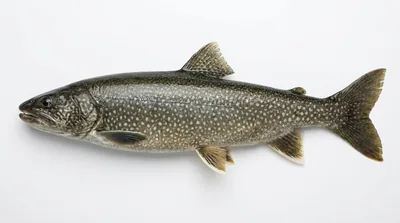 Lake trout
Salvelinus namaycush
-
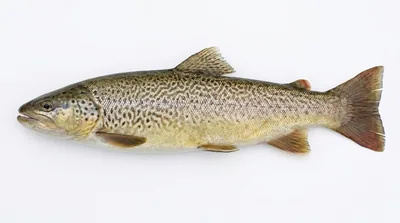 Salmo marmoratus
-
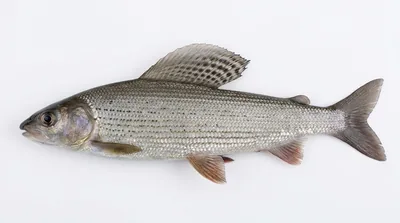 European grayling
Thymallus thymallus
-
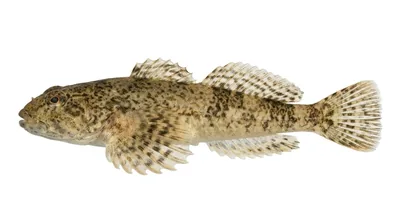 European bullhead
Cottus gobio
-
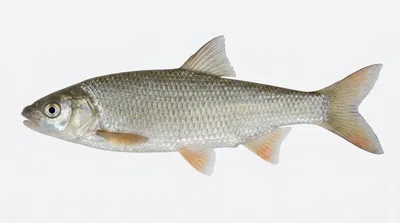 Common nase
Chondrostoma nasus
-
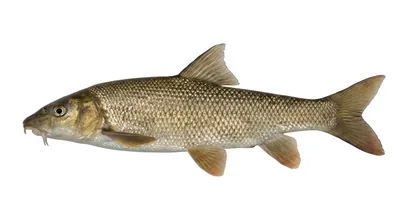 Common barbel
Barbus barbus
-
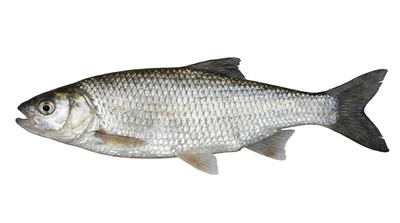 Common dace
Leuciscus leuciscus
-
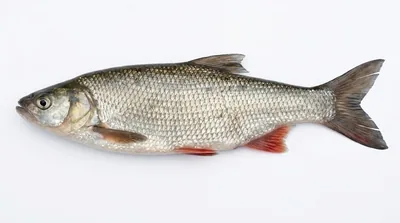 Asp
Leuciscus aspius
-
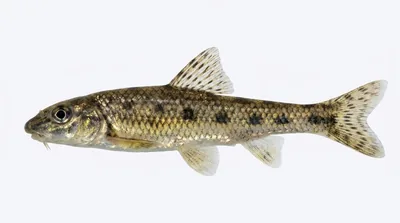 Gudgeon
Gobio gobio
-
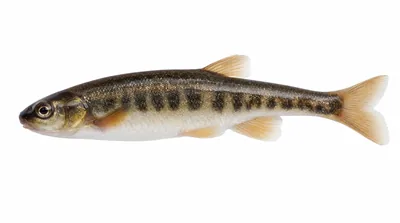 Minnow
Phoxinus phoxinus
-
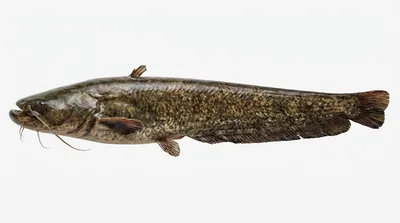 Wels catfish
Silurus glanis
-
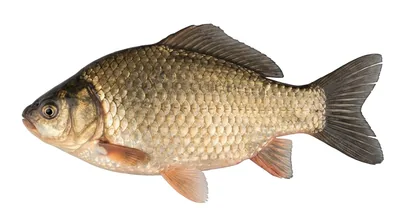 Crucian carp
Carassius carassius
Frequently asked questions
- Is the Aare near Lake Brienz high right now?
- No. On 23 November 2026 the gauging agency rated the flow of the Aare at Ringgenberg, Goldswil as normal (26.6 m³/s). This page shows the current reading whenever you open it.
- What fish are around Lake Brienz?
- Species recorded around Lake Brienz and along the Aare and the Lütschine include Lake trout, Salmo marmoratus, European grayling, European bullhead, Common nase, Common barbel. The list comes from GBIF occurrence ranges, so it shows where a species has been recorded rather than how common it is.
- Where can I check water levels near Lake Brienz?
- 3 official gauges within 25 km of Lake Brienz measure the Aare and the Lütschine. Their latest readings are listed on this page and on the River map.
- When is the best time to fish at Lake Brienz?
- The highest-rated day in the current month at Lake Brienz is 09 November 2026, with a fishing efficiency of 100%. The strongest feeding window is around 11:14–13:14 local time.
- Do moon phases affect fishing at Lake Brienz?
- Solunar theory links feeding activity to the moon's position. Major periods occur when the moon is overhead or underfoot, with shorter minor periods midway between them. New and full moons generally produce the strongest activity.
River data sources
Readings on this page come from official gauging stations:
- Daten Oberflächengewässer: Abteilung Hydrologie, Bundesamt für Umwelt BAFU · BAFU Liefer- und Nutzungsbedingungen fuer hydrologische Daten (Stand 13.7.2020); opendata.swiss 'Freie Nutzung' (terms_open)