Fishing Calendar App
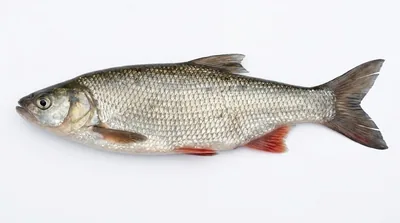
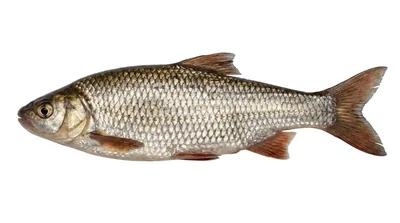
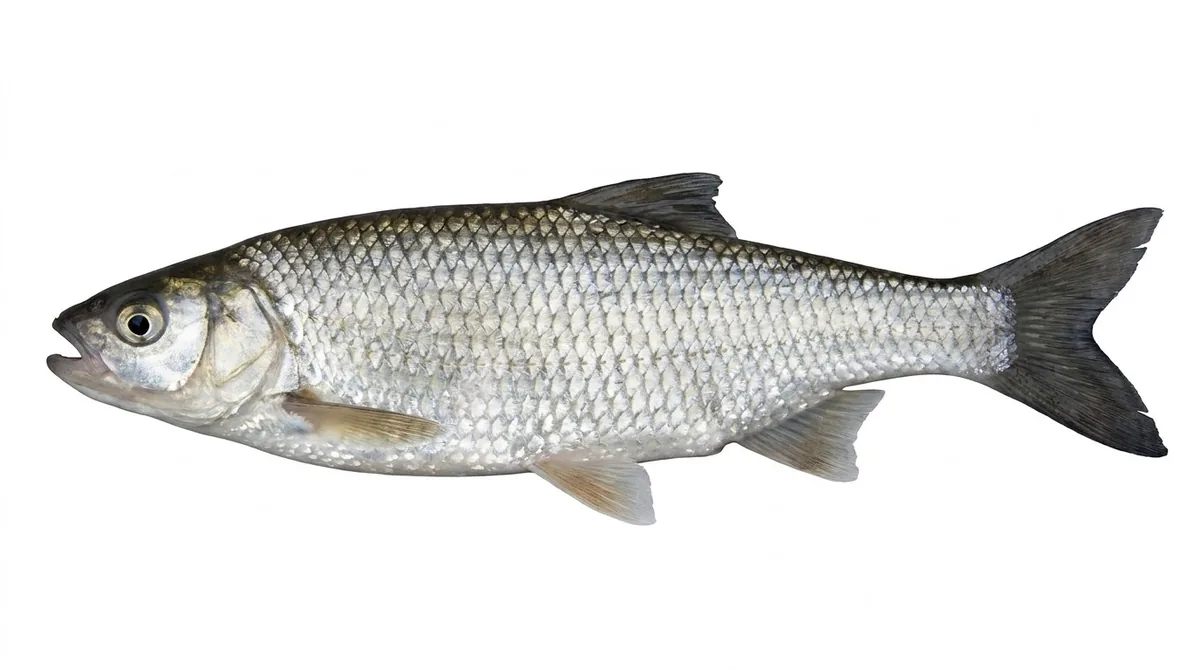
Common dace
Leuciscus leuciscus
- Freshwater
- Least Concern
- Max length
- 35 cm
- Class
- Teleostei
- Order
- Cypriniformes
- Family
- Cyprinidae
- Genus
- Leuciscus
- Asia - Inland waters
- Europe - Inland waters
About the common dace
The common dace (Leuciscus leuciscus) is a species of freshwater and brackish water ray-finned fish from the family Leuciscidae which is native to Europe but which has been introduced to other parts of the world. It is a quarry species for coarse anglers.
Habitat
The common dace is found in rivers and streams, sometime occurring in lakes or in the brackish water at the mouths of rivers. It is a surface dwelling fish which gather in shoals of adults in the lower reaches of rivers and backwaters during the winter. Some adults remain upstream in the spawning grounds all winter as well. At spawning time, in March and April, they migrate up stream to lay their pale yellow eggs on shallow gravel beds in fast flowing streams, the eggs attach to gravel and stones. The juveniles hide among the cavities and roots in the bankside vegetation and as they mature they move into faster flowing water. The main food for common dace is small invertebrates.
Distribution
The common dace is native to Europe and northern Asia where it occurs in the basins of the North Sea, Baltic Sea, White Sea and Barents Sea. It also occurs in the basin of the Caspian Sea in the drainage systems of the Volga and Ural Rivers and in the Black Sea basin it is found in the Danube and the Dnieper. In France it occurs in the Seine River drainage and in the drainages of the Rhone and Arc which flow into the Mediterranean. In the Danube main river of Romania as well as in Scandinavia north of 69°N and most of central Finland this species has a localised distribution. The populations from Siberia and East Asia are normally assigned to Leuciscus baicalensis and Leuciscus dzungaricus.
This species has been widely introduced in areas of Europe where it did not previously occur. For example, it has become established in Ireland since the early 1900s, having been taken there as a bait fish to catch larger fish such as pike. Following its introduction in Ireland, it has benefited from parasite release, meaning that with its introduction it has lost its normal set of parasites and might thus have a competitive advantage over native species.
Description from Wikipedia, available under CC BY-SA.
Where the common dace lives
Distribution data from GBIF (DOI: 10.15468/dl.8rzs8d).
Also known as
- Dace
- Klenič
- Leucisco
- Vandoise
- Hasel
- Jelec pospolity
- Jelec europejski
- Stäm
- Gullbust
- Haslong
- Slom
- Hisling
- Darz
- Jelec proudník
- Zwëczajny jolc
- Darsen
- Teib
- Seipi
- Déas
- Klenić
- Nyúldomolykó
- Ikan dace
- Silfurgægir
- Gruus
- Paprastasis strepetys
- Baltais sapals
- Serpeling
- Korbiaine
- Clean mic
- Jalec maloústy
- Jäl'caine
- Vindwesse
- Елец
- Елец обыкновенный
- デイス
- السمك النهري
- السمك النهرى
- Бөгәрсә
- Ялец
- Кутеме
- سرمخروطی معمولی
- ჩვეულებრივი ქაშაპი
- Мӱктӹ
- Ялыч
- Күстэх
- Кленић
- Бөгәрчә
- Ялець звичайний
- 雅羅魚
Where to catch common dace
- Attersee Austria Lake · live river data
- Inn River at Innsbruck Austria River · live river data
- Neusiedler See Austria Lake · live river data
- Traunsee Austria Lake · live river data
- Wolfgangsee Austria Lake · live river data
- Zeller See Austria Lake · live river data