Fishing Calendar App
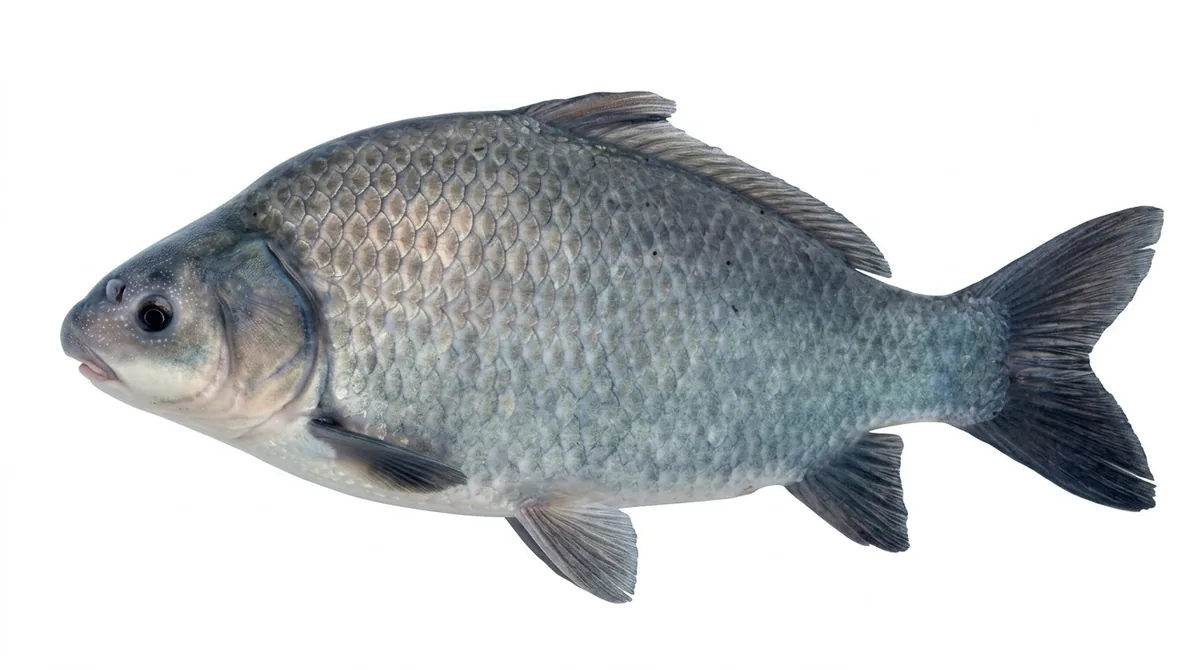
Smallmouth buffalo
Ictiobus bubalus
- Freshwater
- Least Concern
- Max length
- 101 cm
- Class
- Teleostei
- Order
- Cypriniformes
- Family
- Catostomidae
- Genus
- Ictiobus
- North America - Inland waters
About the smallmouth buffalo
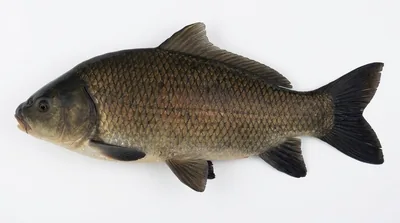
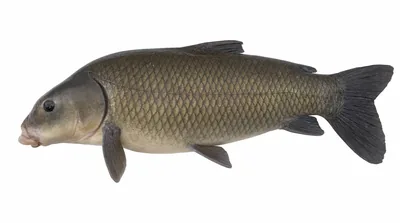
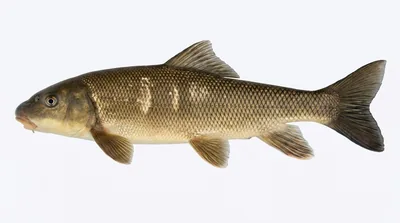
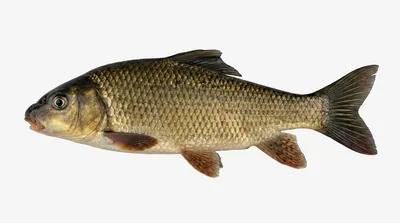
The smallmouth buffalo (Ictiobus bubalus, from the Greek for "bull-fish" and "buffalo") is a catostomid fish species native to the major tributaries and surrounding waters of the Mississippi River in the United States, as well as some other water systems where it has been introduced. It is a long-lived, stocky fish like its relatives the bigmouth buffalo (I. cyprinellus) and the black buffalo (I. niger). The smallmouth buffalo's mouth is located ventrally like other Catostomidae species, whereas the bigmouth buffalo's mouth is terminal and opens forward. It is thought that smallmouth buffalo eyes are significantly larger than those of the black buffalo. Despite being members of different scientific suborders, these three species are sometimes conflated with common carp (Cyprinus carpio), but an easy and notable difference is that all catostomids lack the characteristic barbels of carp, and carp are not native to North America whereas buffalofish are. The smallmouth buffalo is recently realized as one of the longest-lived fishes, capable of living more than a century. The smallmouth buffalo is in decline across large portions of its range, and is subject to unregulated exploitation. Like the other buffalofish species, the smallmouth buffalo is targeted by modern bowfishing.
Habitat
The smallmouth buffalo is a hardy fish that frequents clear, moderate to fast-moving streams, but has been occasionally known in some lakes and ponds. If prefers waters with dense aquatic vegetation and a silty bottom. It has a high tolerance for hard water and can survive in waters with pH ranges of 6.5–8.5.
Behaviour
The smallmouth buffalo's diet is primarily that of a detritivore, using its ventral sucker mouth to pick up vegetation and other organic matter from the bottom of its habitat, often scraping algae off of rocks. It is also quite the invertivore, consuming zooplankton, insect larvae, mollusk larvae, and small crustaceans.
Description from Wikipedia, available under CC BY-SA.
Where the smallmouth buffalo lives
Distribution data from GBIF (DOI: 10.15468/dl.8rzs8d).
Also known as
- Kleinmäuliger Büffelfisch
- Малоротый буффало
- جاموس سمولموث
- Буфала малароты
- گاومیشماهی دهانکوچک
- Буфало малоротий
- 小口牛胭脂魚
Where to catch smallmouth buffalo
- Arkansas River at Salida United States River · live river data
- Cape Fear River United States River · North Carolina
- Green River (Flaming Gorge) United States River · live river data
- Kenai River United States River · Alaska
- Kentucky Lake United States Reservoir · Kentucky-Tennessee
- Lake Champlain United States Lake · live river data