Fishing Calendar App
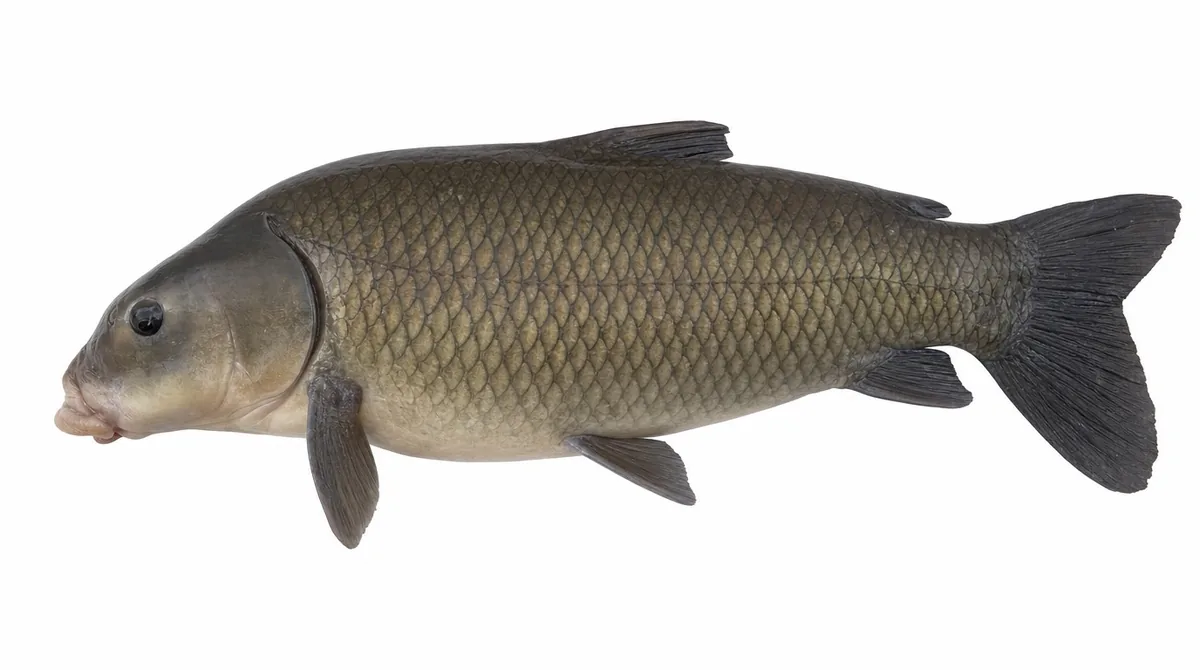
Black buffalo
Ictiobus niger
- Freshwater
- Least Concern
- Max length
- 123 cm
- Class
- Teleostei
- Order
- Cypriniformes
- Family
- Catostomidae
- Genus
- Ictiobus
- North America - Inland waters
About the black buffalo
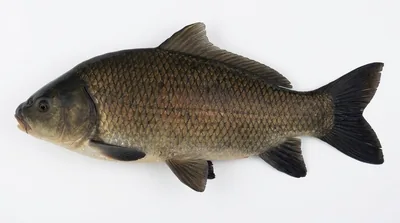
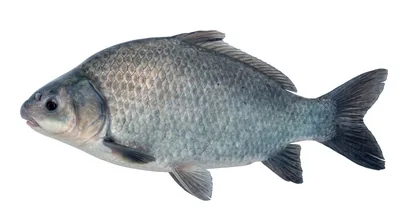
The black buffalo (Ictiobus niger) is a North American species of freshwater fish in the Catostomidae or sucker family. With a lifespan of up to 108 years, it is among the longest-lived of freshwater fish species. Found in the Mississippi Basin and southern Great Lakes. It was first discovered in Canada in the western end of Lake Erie and has been reported from Boston Creek. The Tennessee distribution ranges from rivers and streams in the Cumberland Mountains, a few rivers in middle Tennessee, and in west Tennessee along the Mississippi River. The ecology of the species is quite similar to that of I. bubalus. I. niger has a ventrally positioned mouth, making the species’ diet benthic-oriented. It has a distinct body shape and a mouth position that is intermediate between those of I. bubalus and I. cyprinellus. It is distinguished with some difficulty from the former species by its smaller relative eye size and more streamlined body shape.
Habitat
The ecology of I. niger is most closely related to I. cyprinellus. Due to the ventrally positioned mouth, the diet is benthic-oriented, with the Asiatic clam being the principal food. Detritus and sand are also ingested and contribute about 40% of the dietary volume. It is most commonly found in quiet, shallow waters. The U.S. angling record is 55.5 lb (25.2 kg) and was caught in Tennessee in 1984. The typical length is about 20–30 in (51–76 cm) with a maximum length of 48.5 in (123 cm). The typical weight is estimated to be about 10–30 lb (4.5–13.6 kg). A specimen caught in Shelby County, Tennessee, on April 1, 1980, was accepted as valid and weighed 80 lb (36 kg). I. niger relies on benthic organisms more heavily than I. bubalus. I. niger feeds mostly from the bottom.
Distribution
I. niger is found in large and small rivers in eastern North America from the Mississippi Basin to Canada. In Canada, the species was first described in Lake Erie. In the United States, the species is found in both small and large rivers in the basins of the Mississippi, Missouri, and Ohio as well as in southern Lake Michigan and Lake Erie. Among others, it is native to Iowa, South Dakota and Minnesota; more southern states include eastern Texas and Oklahoma.
Description from Wikipedia, available under CC BY-SA.
Where the black buffalo lives
Distribution data from GBIF (DOI: 10.15468/dl.8rzs8d).
Also known as
- Schwarzer Büffelfisch
- Buffalo czarny
- Чёрный буффало
- الجاموس الاسود
- Буфала чорны
- Буфало чорний
- 黑牛胭脂魚
Where to catch black buffalo
- Arkansas River at Salida United States River · live river data
- Cape Fear River United States River · North Carolina
- Green River (Flaming Gorge) United States River · live river data
- Kenai River United States River · Alaska
- Kentucky Lake United States Reservoir · Kentucky-Tennessee
- Lake Champlain United States Lake · live river data