Fishing Calendar App
Largescale sucker
Catostomus macrocheilus
- Freshwater
- Least Concern
- Max length
- 61 cm
- Class
- Teleostei
- Order
- Cypriniformes
- Family
- Catostomidae
- Genus
- Catostomus
- North America - Inland waters
About the largescale sucker
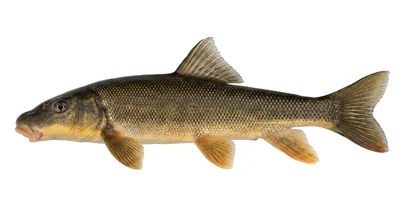
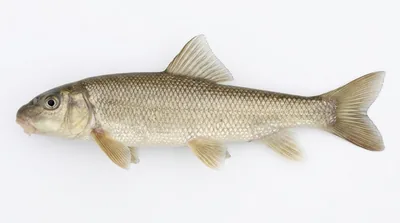
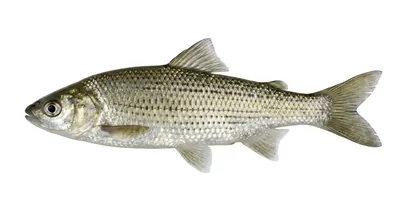
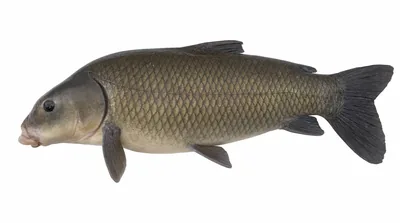
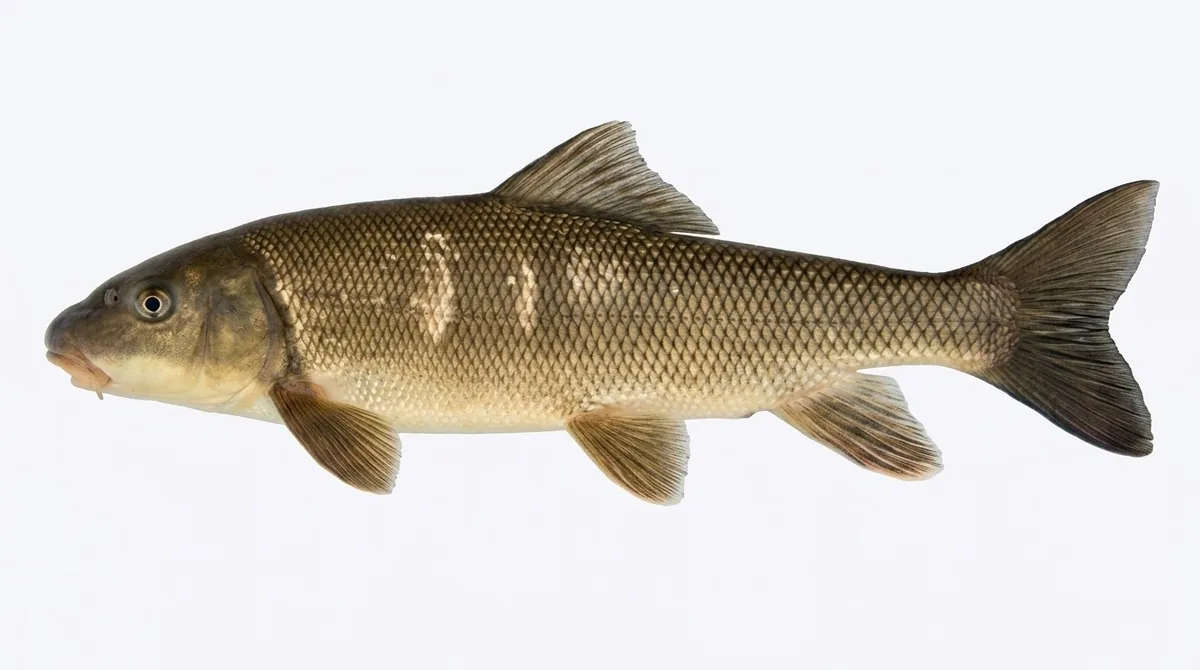
The largescale sucker (Catostomus macrocheilus) is a species of sucker, a type of freshwater fish, found in western North America.
Description
It has a rounded snout with a downturned mouth on its underside (as opposed to a mouth at end of the head like most fish). It has large scales and narrow tail base (caudal peduncle).
Juveniles are under 4 in (10 cm) in length. Adults can reach a length of 24 in (61 cm) and 7 lb (3.2 kg) in parts of their range. Juveniles are mottled brown or olive green with dark spots and white to yellow belly. Adults are bronze to orange on top with lighter undersides.
Distribution and habitat
The largescale sucker is native to the Pacific Northwest, occurring from British Columbia south to Oregon. It is widespread in the Columbia River system. It occurs in the slower-moving portions of rivers and streams, and in lakes.
Biology
Largescale suckers spawn in the spring in shallow water over sandy areas of streams or the sandy or small gravel shoals of lakes. Females may produce up to 20,000 adhesive eggs. The young feed upon small zooplankton until they become bottom dwellers. Then they feed on benthic aquatic invertebrates, diatoms, and other plant mat
Description from Wikipedia, available under CC BY-SA.
Where the largescale sucker lives
Distribution data from GBIF (DOI: 10.15468/dl.8rzs8d).
Also known as
- Meunier à grande écailles
- 大鱗亞口魚
Where to catch largescale sucker
- Willamette River at Portland United States River · live river data
- Arkansas River at Salida United States River · live river data
- Cape Fear River United States River · North Carolina
- Green River (Flaming Gorge) United States River · live river data
- Kenai River United States River · Alaska
- Kentucky Lake United States Reservoir · Kentucky-Tennessee