Fishing Calendar App
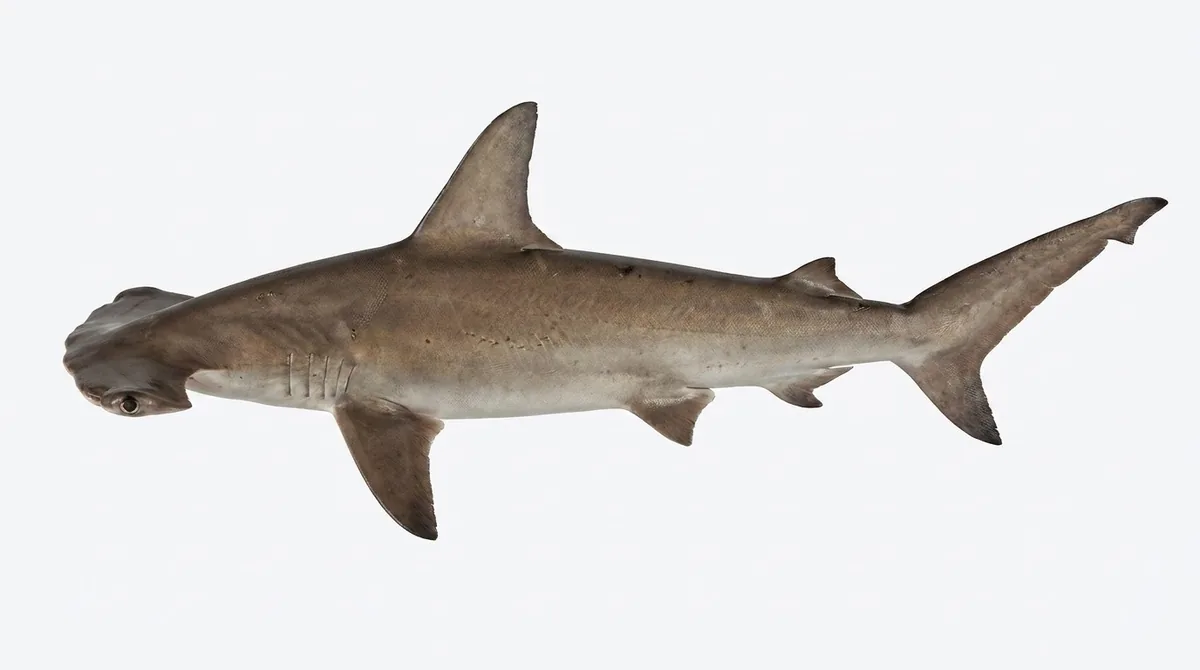
Scalloped hammerhead
Sphyrna lewini
- Saltwater
- Critically Endangered
- Max length
- 430 cm
- Class
- Elasmobranchii
- Order
- Carcharhiniformes
- Family
- Sphyrnidae
- Genus
- Sphyrna
- Atlantic, Eastern Central
- Atlantic, Northeast
- Atlantic, Northwest
- Atlantic, Western Central
- Indian Ocean, Eastern
- Indian Ocean, Western
- Pacific, Eastern Central
- Pacific, Southeast
- Pacific, Western Central
About the scalloped hammerhead
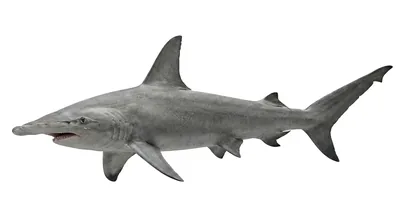
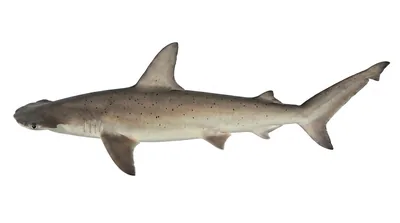
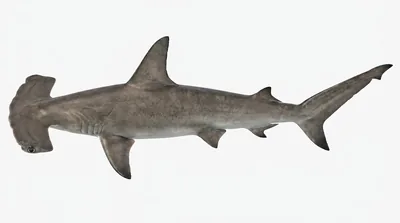
The scalloped hammerhead (Sphyrna lewini) is a species of hammerhead shark in the family Sphyrnidae. It was originally known as Zygaena lewini. The Greek word sphyrna translates into "hammer" in English, referring to the shape of this shark's head, which is its most distinguishing characteristic. The shark's eyes and nostrils are at the tips of the extensions. It is a fairly large hammerhead, but is still smaller than both the great and smooth hammerheads.
This shark is also known as the bronze, kinky-headed, or southern hammerhead. It primarily lives in warm, temperate, and tropical coastal waters all around the globe between latitudes 46°N and 36°S, down to a depth of 500 m (1,600 ft). It is the most common of all hammerheads.
Distribution
The scalloped hammerhead is a coastal pelagic species; it occurs over continental and insular shelves and in nearby deeper water. It is found in warm temperate and tropical waters, worldwide from 46°N to 36°S. It can be found down to depths over 500 m (1,600 ft), but is most often found above 25 m (82 ft). During the day, they are more often found close to shore, and at night, they hunt further offshore. Adults are found alone, in pairs, or in small schools, while young sharks occur in larger schools.
Juveniles and pups thrive in shallow coastal waters, such as bays and mangroves, which provide shelter from predators and waters high in nutrients from deposited sediments. Research carried out by the nongovernmental organization Misión Tiburón, using conventional and acoustic shark tagging methods, found that adult scalloped hammerheads migrate from the pelagic waters surrounding Cocos Island to the mangroves in the tropical fjord of Golfo Dulce - a tropical fjord on the Pacific Coast of Costa Rica. Here, female sharks give birth to live young; juveniles remain in the shallow root system of the mangroves for around three years. After this time they leave Golfo Dulce and migrate back to Cocos Island, to feed in pelagic waters.
Behaviour
Scalloped hammerheads are generalists and opportunistic predators, eating whatever is available and abundant in their area. There is no difference in what male and female sharks eat, but larger sharks are noted to eat larger prey than smaller, juvenile hammerheads. Juveniles typically feed on inshore fish, while adults feed on inshore fish as well as larger organisms that live in deeper waters.
Specifically, this shark feeds primarily on bony fish such as sardines, mackerel, and herring, and occasionally they feed on cephalopods such as squid, octopus, and cuttlefish, and crustaceans such as lobsters, shrimps, and crabs. Larger specimens may also feed on smaller species of shark, such as the blacktip reef shark, Carcharhinus melanopterus, and rays. Hammerheads located in the Indo-West Pacific have been observed to prey on sea snakes.
Description from Wikipedia, available under CC BY-SA.
Where the scalloped hammerhead lives
Distribution data from GBIF (DOI: 10.15468/dl.8rzs8d).
Also known as
- Cornuda común
- Tiburón martillo
- Requin-marteau halicorne
- Bogenstirn-Hammerhai
- Gekerbter Hammerhai
- Głowomłot tropikalny
- Flerhornig hammarhaj
- Tubarão-martelo-recortado
- Valovitoglava kladvenica
- Skulprandhamerkophaai
- Kladivoun bronzový
- Kampavasarahai
- Csipkés pörölycápa
- Hiu martil bergerigi
- Yu tukul sanggul
- Geschulpte hamerhaai
- Tribon di cruz
- Cá nhám búa
- Бронзовая акула-молот
- 홍살귀상어
- アカシュモクザメ
- Раковинена риба чук
- দক্ষিণি হাতুড়ি হাঙ্গর
- ކާލިގަނޑު މިޔަރު
- Κτενοζύγαινα
- פטישן כד-חרטום
- Ригеста ајкула-чекан
- തരംഗ ചുറ്റികത്തലയൻ സ്രാവ്
- ปลาฉลามหัวค้อนหยัก
- Акула-молот зубчаста
- 紅肉丫髻鮫
Where to catch scalloped hammerhead
- Limfjord Denmark Fjord · North Jutland
- Skagen Coast Denmark Coast · North Jutland
- Helsinki Archipelago Finland Archipelago · Uusimaa
- Rügen (Baltic Coast) Germany Coast · Mecklenburg-Vorpommern
- Sylt (Wadden Sea) Germany Coast · Schleswig-Holstein
- Dingle Bay Ireland Bay · Munster