Fishing Calendar App
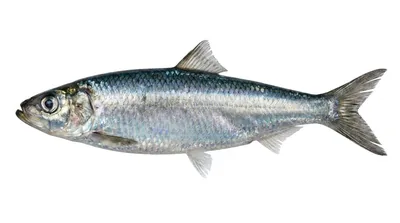
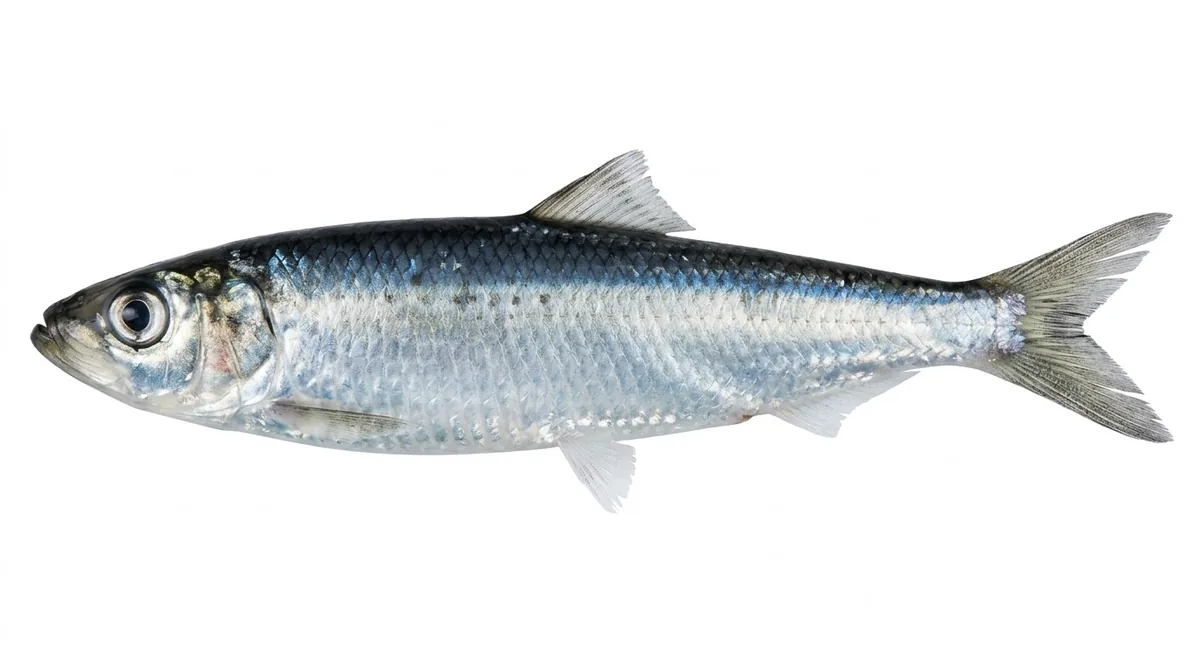
Pacific herring
Clupea pallasii
- Freshwater & Saltwater
- Data Deficient
- Max length
- 46 cm
- Class
- Teleostei
- Order
- Clupeiformes
- Family
- Clupeidae
- Genus
- Clupea
- Arctic Sea
- Atlantic, Northeast
- North America - Inland waters
- Pacific, Eastern Central
- Pacific, Northeast
- Pacific, Northwest
About the pacific herring
The Pacific herring (Clupea pallasii) is a species of the herring family associated with the Pacific Ocean environment of North America and northeast Asia. It is a silvery fish with unspined fins and a deeply forked caudal fin. The distribution is widely along the California coast from Baja California north to Alaska and the Bering Sea; in Asia, the distribution is south to Japan, Korea, and China. Clupea pallasii is considered a keystone species because of its very high productivity and interactions with many predators and prey. Pacific herring spawn in variable seasons, but often in the early part of the year in intertidal and sub-tidal environments, commonly on eelgrass, seaweed or other submerged vegetation. They do not die after spawning and can breed in successive years. According to government sources, the Pacific herring fishery collapsed in the year 1993 and is slowly recovering to commercial viability in several North American stock areas. The species is named for Peter Simon Pallas, a noted German naturalist and explorer.
There are disjunct populations of Clupea pallasii in North-East Europe, which are often attributed to separate subspecies Clupea pallasii marisalbi (White Sea herring) and Clupea pallasii suworowi (Chosha herring).
Description from Wikipedia, available under CC BY-SA.
Where the pacific herring lives
Distribution data from GBIF (DOI: 10.15468/dl.8rzs8d).
Also known as
- Arenque del Pacífico
- Hareng
- Hareng du Pacifique
- Pazifischer Hering
- Hering
- Śledź pacyficzny
- Stillahavssill
- Pacifika haringo
- Tyynenmerensilli
- Kyrrahafssíld
- Cá trích Thái Bình Dương
- Тихоокеанская сельдь
- 청어
- ニシン
- رنكة بالاسية
- رنجه پاسيفكيه
- Sakit okean siyənəyi
- شاهماهی آرام
- מליח פסיפי
- Tinch okean seld baligʻi
- 太平洋鯡
Where to catch pacific herring
- Limfjord Denmark Fjord · North Jutland
- Skagen Coast Denmark Coast · North Jutland
- Helsinki Archipelago Finland Archipelago · Uusimaa
- Rügen (Baltic Coast) Germany Coast · Mecklenburg-Vorpommern
- Sylt (Wadden Sea) Germany Coast · Schleswig-Holstein
- Dingle Bay Ireland Bay · Munster