Fishing Calendar App
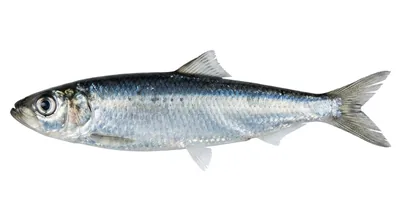
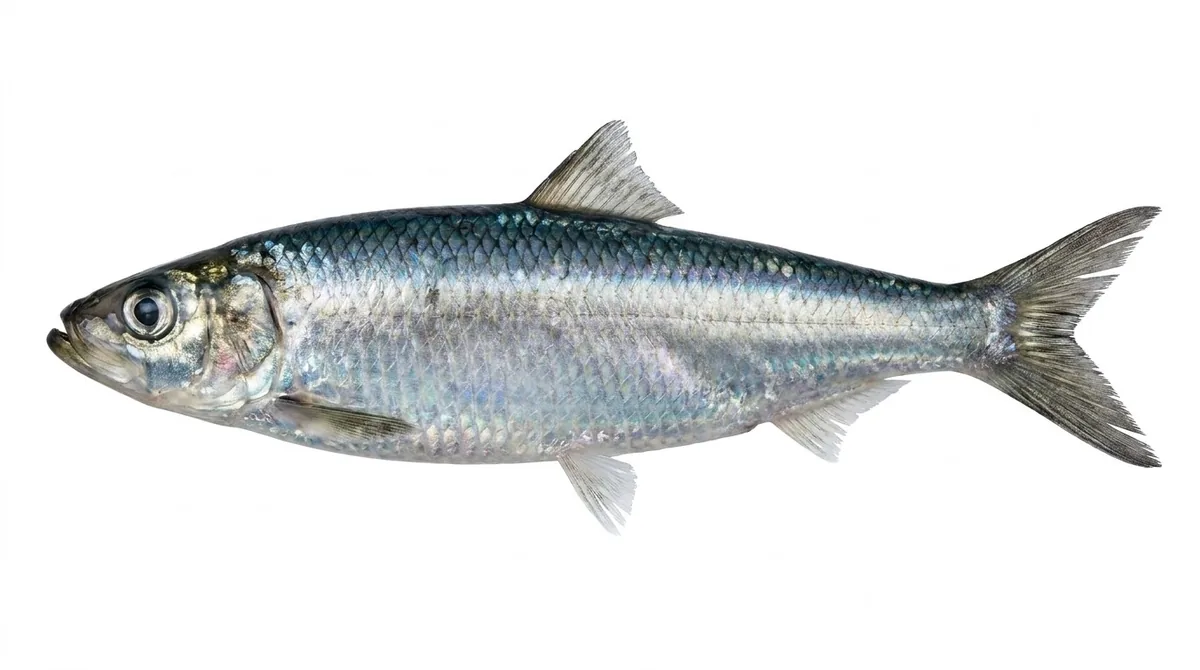
Atlantic herring
Clupea harengus
- Saltwater
- Least Concern
- Max length
- 45 cm
- Class
- Teleostei
- Order
- Clupeiformes
- Family
- Clupeidae
- Genus
- Clupea
- Atlantic, Northeast
- Atlantic, Northwest
About the atlantic herring
Atlantic herring (Clupea harengus) is a herring in the family Clupeidae. It is one of the most abundant fish species in the world. Atlantic herrings can be found on both sides of the northern Atlantic Ocean, congregating in large schools. They can grow up to 45 centimetres (18 in) in length and weigh up to 1.1 kilograms (2.4 lb). They feed on copepods, krill and small fish, while their natural predators are seals, whales, cod and other larger fish.
The Atlantic herring fishery has long been an important part of the economy of New England and the Atlantic provinces of Canada. This is because the fish congregate relatively near to the coast in massive schools, notably in the cold waters of the semi-enclosed Gulf of Maine and Gulf of St. Lawrence. North Atlantic herring schools have been measured up to 4 cubic kilometres (0.96 cu mi) in size, containing an estimated four billion fish.
Distribution
Atlantic herring can be found on both sides of the Atlantic Ocean. They range, shoaling and schooling, across North Atlantic waters such as the Gulf of Maine, the Gulf of St Lawrence, the Bay of Fundy, the Labrador Sea, the Davis Straits, the Beaufort Sea, the Denmark Strait, the Norwegian Sea, the North Sea, the Skagerrak, the English Channel, the Celtic Sea, the Irish Sea, the Bay of Biscay and Sea of the Hebrides. Although Atlantic herring are found in the northern waters surrounding the Arctic, they are not considered to be an Arctic species .
Description from Wikipedia, available under CC BY-SA.
Where the atlantic herring lives
Distribution data from GBIF (DOI: 10.15468/dl.8rzs8d).
Also known as
- Hafsíld
- Herring
- Aringa
- Arenque
- Hareng
- Hareng atlantique
- Hareng de l'Atlantique
- Atlantischer Hering
- Hering
- Śledź oceaniczny
- Śledź
- Sill
- Strömming
- Sild
- Sėlkė
- Harink
- Areng
- Sleď obecný
- Rénga
- Atlandi heeringas
- Sardinzar arrunt
- Silli
- Atlantik-Hiarang
- Bengkalis atlantik
- Síld
- Dikwala
- Atlanteschen Hierk
- Atlantinė silkė
- Atlantijas siļķe
- Arenga
- Heren
- Haring
- Héring
- Aregna
- Herrin
- Sildi
- Baltık ringası
- Herin
- Haringo
- Атлантическая сельдь
- 대서양청어
- タイセイヨウニシン
- رنكة أطلسية
- رنجه اطلنطيه
- Атлантическа херинга
- Ρέγγα
- شاهماهی اطلسی
- מליח אטלנטי
- Ատլանտյան տառեխ
- Lamɛ́lɛ
- Атлантска харинга
- Оселедець атлантичний
- Cá trích Đại Tây Dương
- 大西洋鲱
- 大西洋鯡
- 大西洋希靈魚
Where to catch atlantic herring
- Limfjord Denmark Fjord · North Jutland
- Skagen Coast Denmark Coast · North Jutland
- Helsinki Archipelago Finland Archipelago · Uusimaa
- Rügen (Baltic Coast) Germany Coast · Mecklenburg-Vorpommern
- Sylt (Wadden Sea) Germany Coast · Schleswig-Holstein
- Dingle Bay Ireland Bay · Munster