Fishing Calendar App
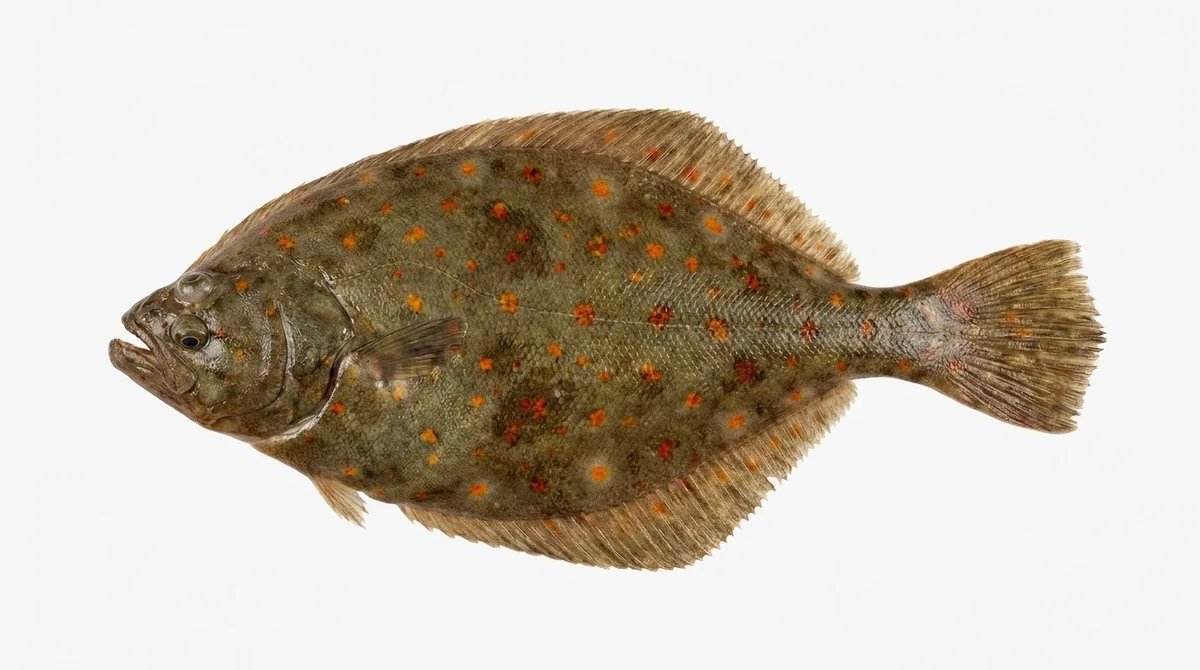
European plaice
Pleuronectes platessa
- Saltwater
- Least Concern
- Max length
- 95 cm
- Class
- Teleostei
- Order
- Pleuronectiformes
- Family
- Pleuronectidae
- Genus
- Pleuronectes
- Atlantic, Northeast
- Atlantic, Northwest
About the european plaice
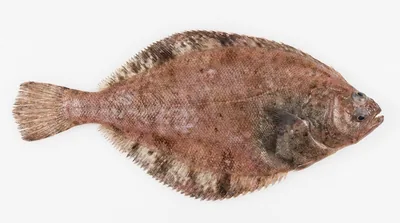
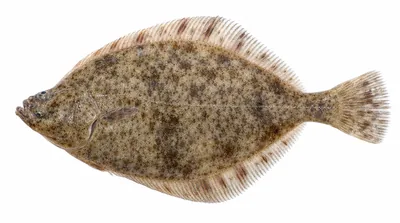
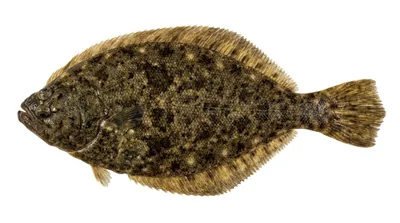
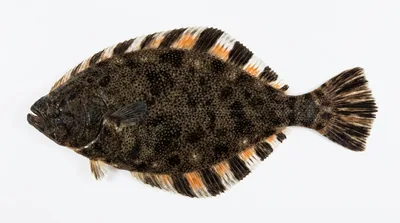
The European plaice (Pleuronectes platessa), commonly referred to as simply plaice, or schol in Dutch, is a species of marine flatfish in the genus Pleuronectes of the family Pleuronectidae.
Distribution
European plaice is a common flatfish which inhabits sandy and muddy bottoms of the European shelf, usually at depths between 10 and 200 m. It is found from the Barents Sea down to the Iberian peninsula and around Iceland and the Faroe Islands. It is often reported in ichthyological check lists for the Mediterranean Sea but this is likely to be misidentified specimens of European flounder.
Adult fish are generally found in deeper waters whereas young fish are found in shallow waters e.g. estuaries and sandy coasts. Plaice tend to burrow in the sediment during the day and remain stationary for long periods to avoid predators and ambush prey.
Behaviour
It is active at night and feeds on polychaetes, crustaceans and bivalves. Young plaice (between 1 and 2 years old) tend to consume mainly shrimps.
Description from Wikipedia, available under CC BY-SA.
Where the european plaice lives
Distribution data from GBIF (DOI: 10.15468/dl.8rzs8d).
Also known as
- Plaice
- Flatfish
- Carrelet
- Plie
- Plie d'Europe
- Scholle
- Europäische Scholle
- Goldbutt
- Schullen
- Rödspätta
- Platessa
- Navadna plošča
- Platija
- Solla
- Gładzica
- Solha
- Rødspette
- Gullflyndre
- Plaisenn
- Palaia anglesa
- Platýs velký
- Bańtka
- Lleden Goch
- Rødspætte
- Plateso
- Atlandi merilest
- Platuxa leun
- Punakampela
- Skol
- Leathóg bhallach
- Sima lepényhal
- Sekol eropa
- Pleuronekto
- Skarkoli
- Jūrinė plekšnė
- Schol
- Raudspette
- Càrlé
- Cambula aurie
- Yaldızlı pisi balığı
- Kambala
- Iverak zlatopjeg
- Морская камбала
- Камбала морская
- プレイス
- رساف أوروبي
- رساف اوروبى
- Европейска камбала
- صافماهی اروپایی
- Камбала
- Камбала європейська
- 歐洲鰈
Where to catch european plaice
- Limfjord Denmark Fjord · North Jutland
- Skagen Coast Denmark Coast · North Jutland
- Helsinki Archipelago Finland Archipelago · Uusimaa
- Rügen (Baltic Coast) Germany Coast · Mecklenburg-Vorpommern
- Sylt (Wadden Sea) Germany Coast · Schleswig-Holstein
- Dingle Bay Ireland Bay · Munster