Fishing Calendar App
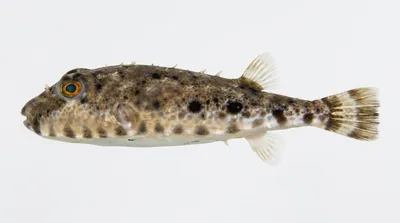
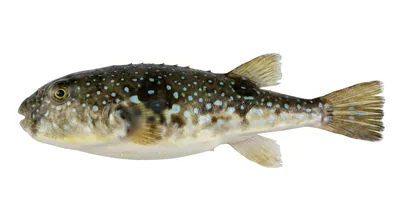
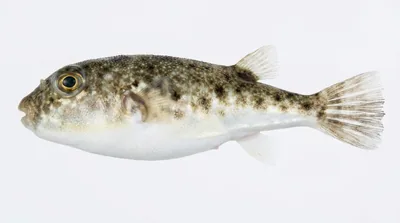
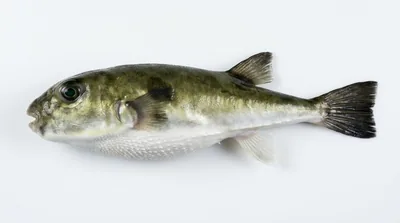
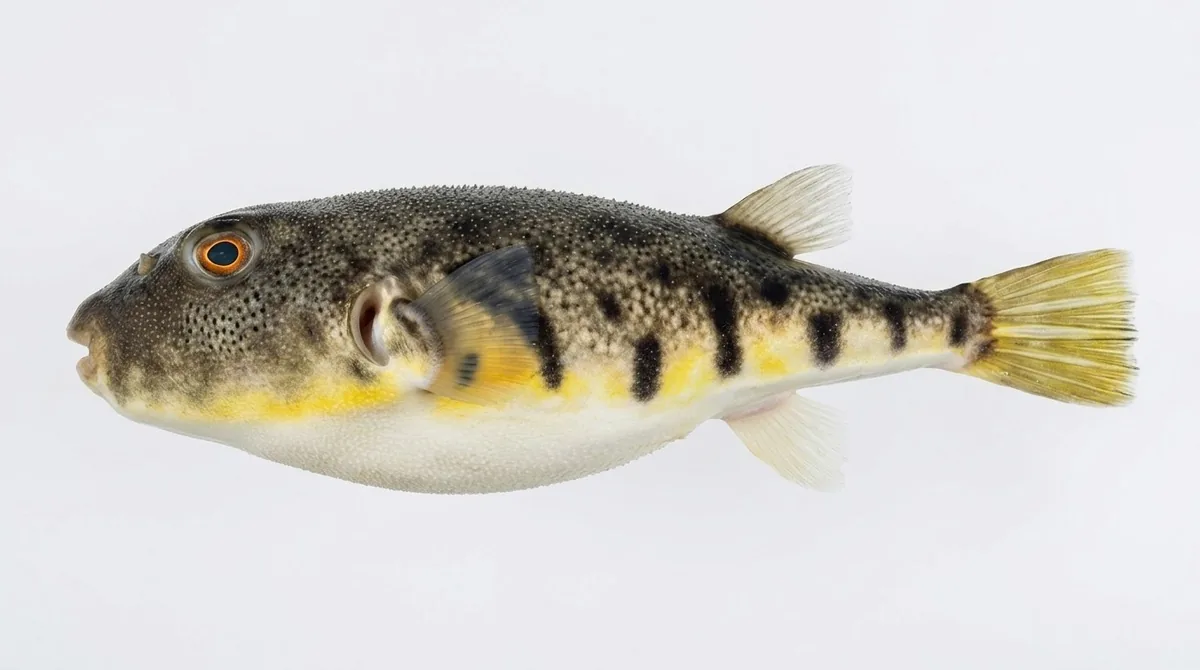
Northern puffer
Sphoeroides maculatus
- Saltwater
- Least Concern
- Max length
- 36 cm
- Class
- Teleostei
- Order
- Tetraodontiformes
- Family
- Tetraodontidae
- Genus
- Sphoeroides
- Atlantic, Northwest
- Atlantic, Western Central
About the northern puffer
The northern puffer, Sphoeroides maculatus, is a species in the family Tetraodontidae, or pufferfishes, found along the Atlantic coast of North America. Unlike many other pufferfish species, the flesh of the northern puffer is not poisonous, although its viscera can contain poison, and high concentrations of toxins have been observed in the skin of Floridian populations. They are commonly called sugar toads in the Chesapeake Bay region, where they are eaten as a delicacy. There was widespread consumption of northern puffers during the rationing that accompanied the Second World War, establishing a commercial fishery that reached its zenith in the 1960s. In much of the Northeast, the fish is known simply as "blowfish" or "chicken of the sea". They may also be sold as "sea squab".
Habitat
The northern puffer inhabits bays, estuaries and protected coastal waters at depths of 10–183 m (33–600 ft) in the northwest Atlantic. It ranges from Florida (U.S.) to Newfoundland (Canada).
Behaviour
The northern puffer feeds primarily on shellfish, and occasionally on finfish. Using its beak-like mouth it can extract shellfish from their shells and sometimes break the shells to obtain a meal. They will attack blue crabs, blowing water underneath to turn the crab over, then attack the underside before it can right itself.
Description from Wikipedia, available under CC BY-SA.
Where the northern puffer lives
Distribution data from GBIF (DOI: 10.15468/dl.8rzs8d).
Also known as
- Blowfish
- Puffer
- Swellfish
- Blåsfisk
- Sphéroïde du nord
- 斑點圓魨
Where to catch northern puffer
- Cape Cod Bay United States Bay · Massachusetts
- Cape Fear River United States River · North Carolina
- Chesapeake Bay United States Estuary · Maryland and Virginia
- Delaware Bay United States Bay · Delaware-New Jersey
- Florida Bay (Everglades) United States Bay · Florida
- Florida Keys United States Coast · Florida