Fishing Calendar App
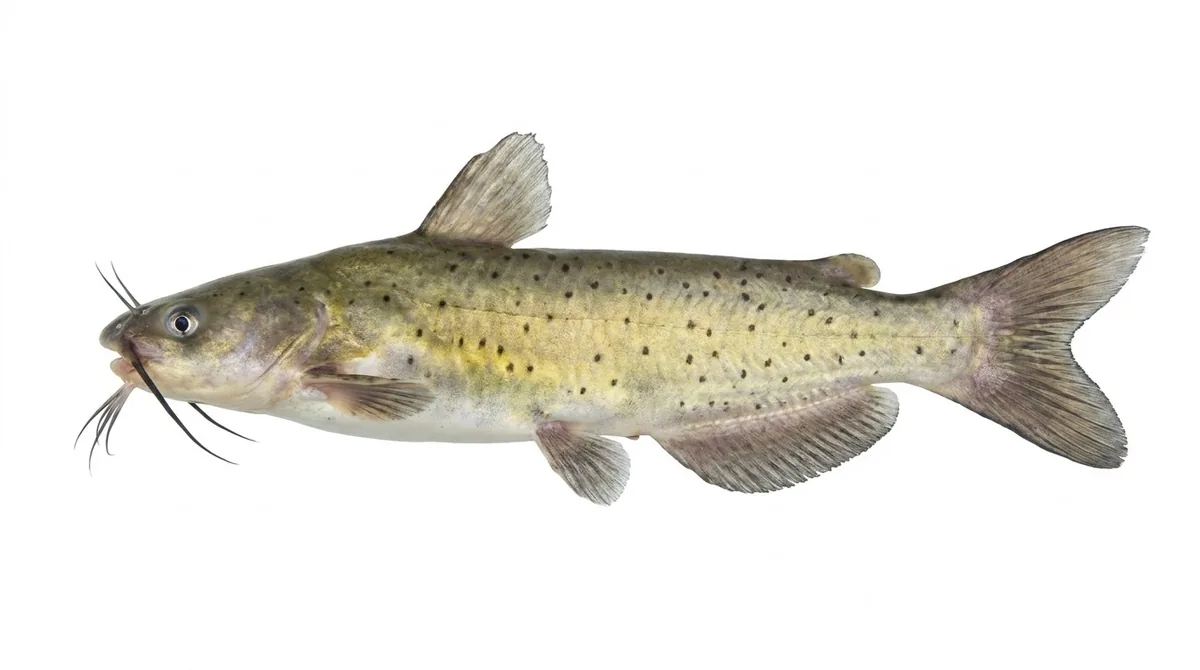
Channel catfish
Ictalurus punctatus
- Freshwater
- Least Concern
- Max length
- 132 cm
- Class
- Teleostei
- Order
- Siluriformes
- Family
- Ictaluridae
- Genus
- Ictalurus
- North America - Inland waters
- South America - Inland waters
- Asia - Inland waters
- Europe - Inland waters
About the channel catfish
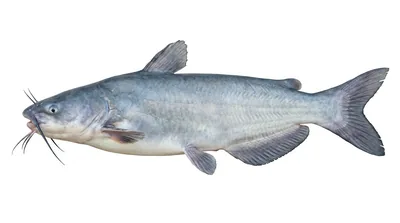
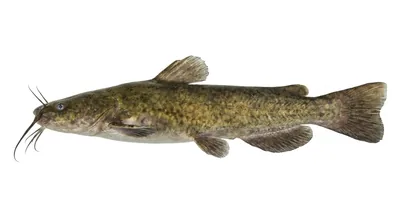
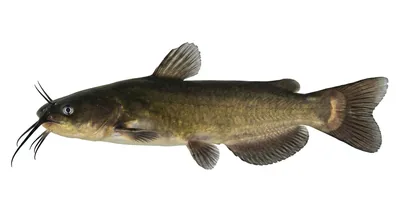
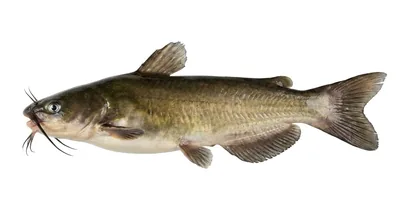
The channel catfish (Ictalurus punctatus),meaning “fish cat with spots”. known informally as the "channel cat", is a species of catfish native to North America. They are North America's most abundant catfish species, and the official state fish of Kansas, Missouri, Nebraska and Tennessee. The channel catfish is the most fished species of catfish in the United States, with around 8 million anglers angling them per year. The popularity of channel catfish for food has contributed to the rapid expansion of this species' aquaculture in the United States. It has also been widely introduced to Europe, Asia and South America, and many countries consider it an invasive species.
Distribution
Channel catfish are native to the Nearctic realm and are widely distributed in southern Canada, the eastern and northern United States, and parts of northern Mexico.
They have an extensive native range consisting of almost all of the United States west of the Appalachian Mountains and east of the Rocky Mountains, roughly following the Mississippi River Basin. They are also native to peninsular Florida. They have also been widely introduced to Atlantic-draining rivers east of the Appalachians and Pacific-draining rivers west of the Rockies, giving them a continent-spanning range. Although they are officially considered introduced to this region, it has been suggested that they may also be native to the Atlantic-draining rivers from the Susquehanna south to the Neuse. Its range in southern Canada includes the Great Lakes (excluding Lake Superior) and parts of the Quebec, Ontario, and Manitoba provinces.
They have also been introduced into some waters of the Czech Republic and Romania, as well as parts of Malaysia and Indonesia.
This species thrives in rivers, reservoirs, lakes, and ponds. Channel catfish are cavity nesters, which means that they lay their eggs in crevices, hollows, or debris to protect them from swift currents.
Behaviour
Adult channel catfish, over 45 centimetres (18 in), prey on fishes such as yellow perch and sunfish. The diet of adults consists of snails, clams, crustaceans (such as crayfish), snakes, frogs, small fish, insects, aquatic plants, algae, seeds, grains, nuts, and occasionally even small birds and small mammals. Younger channel catfish are more consistently omnivorous, eating a large variety of plants and animals.
Description from Wikipedia, available under CC BY-SA.
Where the channel catfish lives
Distribution data from GBIF (DOI: 10.15468/dl.8rzs8d).
Also known as
- Bagre de canal
- Barbue de rivière
- Sumik kanałowy
- Prickig dvärgmal
- Pesce gatto punteggiato
- Kanalisäga
- Pettyes harcsa
- Baltoji katžuvė
- Kanaalmeerval
- Канальный сомик
- 찬넬동자개
- アメリカナマズ
- Сомік канальны
- Котешки сом
- گربهماهی کانال
- ปลากดอเมริกัน
- Сом канальний
- Cá nheo Mỹ
- 钳鱼
Where to catch channel catfish
- Mississippi River at Memphis United States River · live river data
- Willamette River at Portland United States River · live river data
- Achensee Austria Lake · Tyrol
- Attersee Austria Lake · live river data
- Danube River at Vienna Austria River · Vienna
- Inn River at Innsbruck Austria River · live river data