Fishing Calendar App
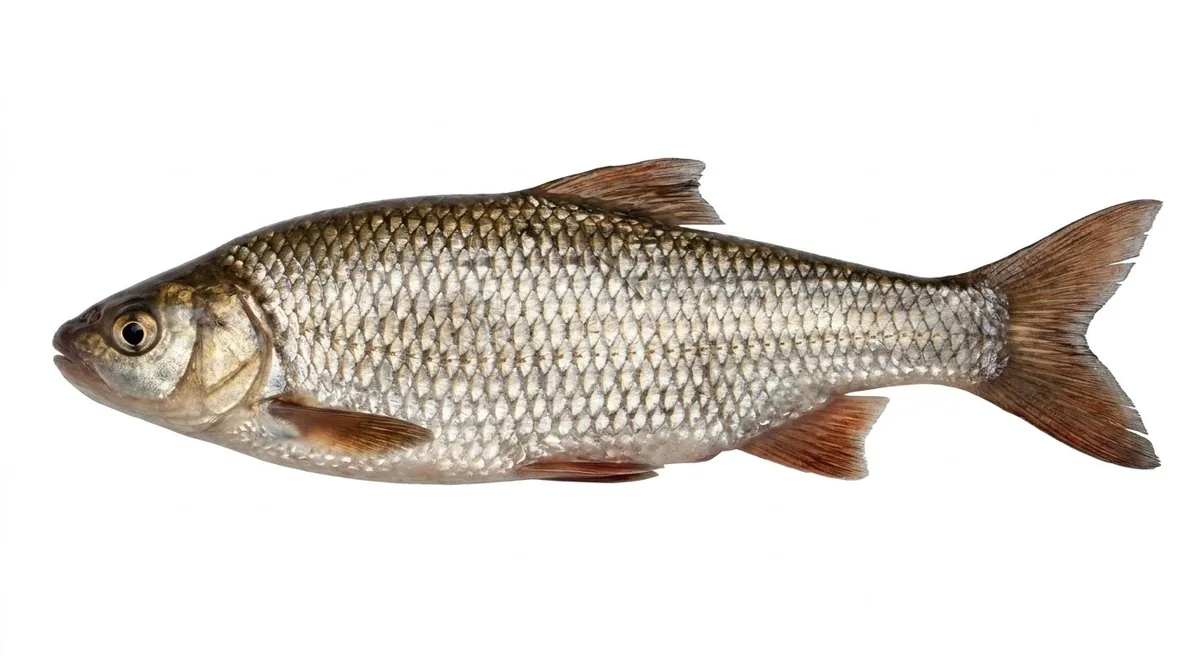
Ide
Leuciscus idus
- Freshwater
- Least Concern
- Max length
- 85 cm
- Class
- Teleostei
- Order
- Cypriniformes
- Family
- Cyprinidae
- Genus
- Leuciscus
- North America - Inland waters
- Asia - Inland waters
- Europe - Inland waters
About the ide
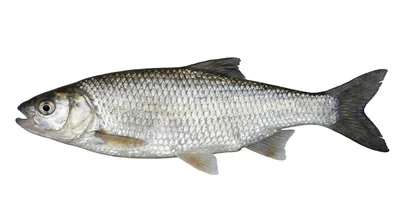
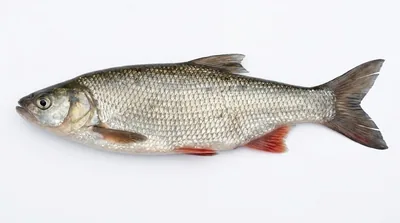
The ide (Leuciscus idus), or orfe, is a species of freshwater ray-finned fish belonging to the family Leuciscidae. The ide is found in larger rivers, ponds, and lakes across Northern Europe and Asia. It has been introduced outside its native range into Europe, North America, and New Zealand. It is a popular ornamental fish, usually kept in outdoor ponds in temperate regions from which it often escapes.
Habitat
Ide occur in schools in the clear pools of larger rivers, ponds, and lakes, but they may move to deeper waters during the winter before moving into shallow fresh water to spawn in the spring. The species is also found in the Baltic Sea, which has a lower salinity than most seas, and in Sweden, the fish spend the first year of their lives in rivers before joining the more mature fish as they migrate downstream into the Baltic Sea during the summer. The fish then return to the rivers in the autumn, where they remain close to the mouths and in the lower reaches throughout the winter.
The ide reaches sexual maturity at 3–5 years of age, and once it has attained total length, which varies from 22 cm to 43 cm, although in cooler waters, it may first breed as late as 7 years of age. It spawns in shallow water in the spring, soon after the ice has melted in the colder parts of its range. Some populations are migratory and ascend rivers and streams to spawn, but others also spawn in shallow parts of lakes and sea inlets. Eggs are usually laid among gravel or on emergent vegetation. Spawning normally lasts for 3–4 days, during which the fish are very active. Each female spawns only once a season, but during spawning, she mates with several males and the males gather at spawning grounds, where they follow ripe females. The females may lay as few as 15,000 and as many as 250,000 eggs, which are about 2 mm in diameter and pale yellow in colour, in a season. The eggs hatch in 1–2 weeks, the young fry being 8–10 mm long. The actual incubation period of eggs varies depending on the water temperature, at 18.5–22.0 °C, incubation takes about 5 days, with the optimal temperature for embryonic development being in the range of 12–18 °C.
The typical prey of the ide is larval and adult insects, snails, and other benthic invertebrates for smaller fish, but larger individuals can be piscivorous, with common roach and common bleak being commonly taken. The smaller fish, larvae, and juveniles occupy a wide variety of shoreline habitats to feed, and they leave the shore areas and move into deeper waters as they grow larger. Smaller ide are sociable and join mixed shoals of other cyprinids, but the larger adult fish form smaller, single-species groups, which patrol what are believed to be regular routes. The ide prefers clear, warmer water, and is not as tolerant of eutrophication as some related species. Ide spawn in running water, so the obstruction of rivers by dams and other man-made objects can negatively affect this fish.
Distribution
The ide is native to Europe and western Asia from the rivers draining into the North Sea east through southern Scandinavia and eastern Europe to the Caspian Sea drainage and the River Lena. As a popular ornamental fish, it was introduced to Great Britain in 1874 and is now widespread in England and Wales, but only has a localised distribution in Scotland. It was introduced into France and from there and Germany was introduced as an ornamental fish into the Netherlands.
Outside of Europe, the ide was first taken to the United States of America in 1877, when live specimens were imported by the United States Fish Commission to be intentionally stocked in US waters, and this was subsequently done by state agencies, too; the species also spread through escapes from commercial and government ponds. It has now been reported from nine states, but its status in the United States remains uncertain as many records are old and of a few individuals and the species apparently has either failed to establish self-sustaining populations or has been eradicated.
The ide was illegally imported into New Zealand as eggs, sometime in the 1980s. Fish were subsequently released between 1985 and 1986 in no less than eight and possibly as many as 13 sites north of Auckland. Ide probably did not last very long in at least seven of the sites where releases occurred, the outcome in most of the other sites is unknown, and at least one of the release sites remains unknown. Ide likely persist in the wild in at least one site within New Zealand.
Description from Wikipedia, available under CC BY-SA.
Where the ide lives
Distribution data from GBIF (DOI: 10.15468/dl.8rzs8d).
Also known as
- Orfe
- Jez
- Cacho
- Cachuelo
- Ide mélanote
- Aland
- Nerfling
- Jaź
- Id
- Vederbuk
- Gullvederbuk
- Escalo
- Escalo-prateado
- Carpa koi japonesa
- Jelec jesen
- Orff
- Rimte
- Säinas
- Säyne
- Jászkeszeg
- Ikan ide
- Paprastoji meknė
- Ālants
- Winde
- Văduviță
- Jalec tmavý
- Säunaz
- Wene
- Язь
- Язь обыкновенный
- إدي
- ايدى
- Опто
- Мъздруга
- Ăптă
- روشنماهی
- იდი
- Ақ қайран
- Сын
- Бух сугас
- Пӓрдӓш
- Вирькал
- Тэҥэли
- Јаз
- Опты
- Седис
- В'язь
- 红鳍雅罗鱼
Where to catch ide
- Alta River Norway River · live river data
- Loch Lomond United Kingdom Lake · live river data
- Loch Ness United Kingdom Lake · live river data
- River Spey (Speyside) United Kingdom River · live river data
- River Tay (Perthshire) United Kingdom River · live river data
- River Tweed at Kelso United Kingdom River · live river data