Fishing Calendar App
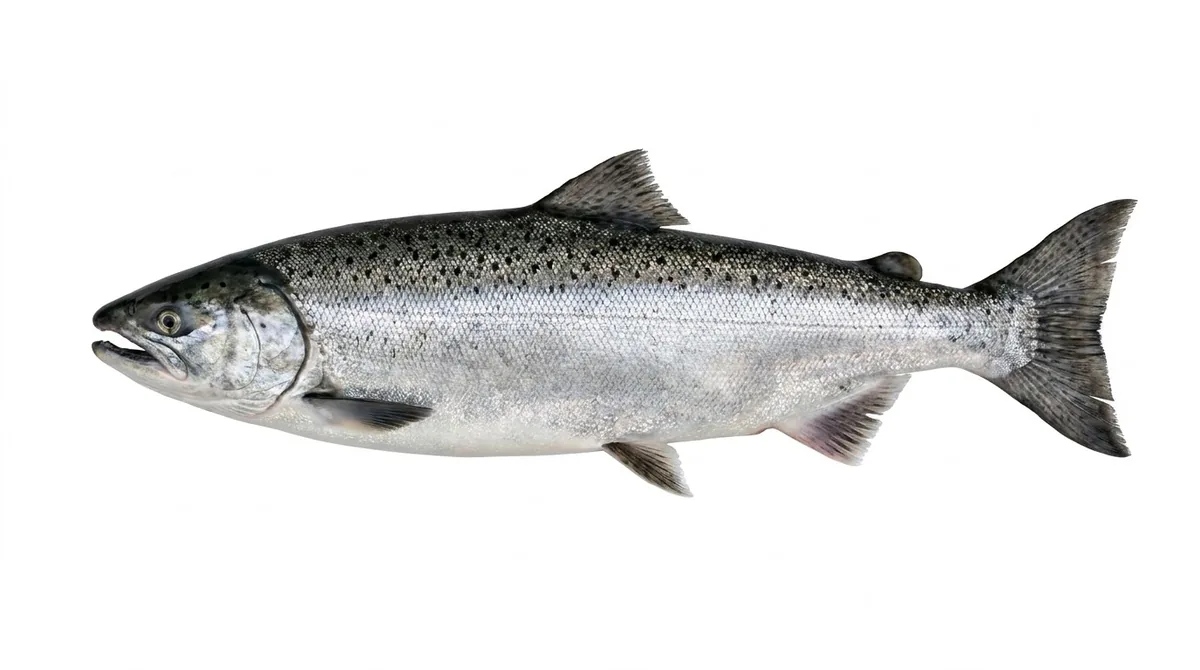
Chinook salmon
Oncorhynchus tshawytscha
- Freshwater & Saltwater
- Least Concern
- Max length
- 150 cm
- Class
- Teleostei
- Order
- Salmoniformes
- Family
- Salmonidae
- Genus
- Oncorhynchus
- North America - Inland waters
- Oceania - Inland waters
- Pacific, Eastern Central
- Pacific, Northeast
- Pacific, Northwest
- Pacific, Southwest
About the chinook salmon
The Chinook salmon (Oncorhynchus tshawytscha) is the largest and most valuable species of Pacific salmon. Its common name is derived from the Chinookan peoples. Other vernacular names for the species include king salmon, quinnat salmon, tsumen, spring salmon, blackmouth, and tyee salmon. The scientific species name is based on the Russian common name chavycha (чавыча).
Chinook are anadromous fish native to the North Pacific Ocean and the river systems of western North America, ranging from California to Alaska, as well as Asian rivers ranging from northern Japan to the Palyavaam River in Arctic northeast Siberia. They have been introduced to other parts of the world, including New Zealand and Patagonia. Introduced Chinook salmon are thriving in Lake Michigan and Michigan's western rivers. A large Chinook is a prized and sought-after catch for a sporting angler. The flesh of the salmon is also highly valued for its nutritional content, which includes high levels of important omega-3 fatty acids. Some populations are endangered; however, many are healthy. The Chinook salmon has not been assessed for the IUCN Red List. According to NOAA, the Chinook salmon population along the California coast is declining from factors such as overfishing, loss of freshwater and estuarine habitat, hydropower development, poor ocean conditions, and hatchery practices.
Distribution
Historically, the native distribution of Chinook salmon in North America ranged from the Ventura River in California in the south to Kotzebue Sound in Alaska in the north. Recent studies have shown that Chinook salmon are historically native to the Guadalupe River watershed in California, the southernmost major metropolitan area hosting salmon runs in the United States. Populations have disappeared from large areas where they once flourished, however, or shrunk by as much as 40 percent. In some regions, their inland range has been cut off, mainly by dams and habitat alterations: in Southern California, in some areas east of the Coast Ranges of California and Oregon, and in large areas in the Snake River and upper Columbia River drainage basins. In certain areas such as California's Sacramento–San Joaquin River Delta, it was revealed that extremely low numbers of juvenile Chinook salmon (less than 1%) were surviving.
In the western Pacific, the distribution ranges from northern Japan (Hokkaido) in the south to the Arctic Ocean as far as the East Siberian Sea and Palyavaam River in the north. Nevertheless, they are consistently present and the distribution is well known only in Kamchatka. Elsewhere, information is scarce, but they have a patchy presence in the Anadyr River basin and parts of the Chukchi Peninsula. Also, in parts of the northern Magadan Oblast near the Shelikhov Gulf and Penzhina Bay, stocks might persist but remain poorly studied.
Description from Wikipedia, available under CC BY-SA.
Where the chinook salmon lives
Distribution data from GBIF (DOI: 10.15468/dl.8rzs8d).
Also known as
- King salmon
- Spring salmon
- Salmón boquinegra
- Salmon real
- Saumon chinook
- Saumon quinnat
- Saumon royal
- Saumon royal du Pacifique
- Königslachs
- Pazifik Köningslachs
- Czawycza
- Kungslax
- Kongelaks
- Činuča
- Salmó reial
- Losos čavyča
- Ĉaviĉo
- Kuningaslohi
- Salmón real
- Kraljevski losos
- Királylazac
- Salmon Chinook
- Kóngalax
- Chinookzalm
- Kunâgâsluosâ
- Чавыча
- 왕연어
- マスノスケ
- سلمون شينوك
- تشينوك, سمك السلمون
- Кралска сьомга
- آزادماهی جویبار
- אלתית גמלונית
- ჩავიჩა
- Краљевски лосос
- ปลาแซลมอนชินูก
- Чавича
- Cá hồi Chinook
- 帝王鮭
Where to catch chinook salmon
- Arkansas River at Salida United States River · live river data
- Bristol Bay United States Bay · Alaska
- Cape Fear River United States River · North Carolina
- Columbia River at Astoria United States River · Oregon-Washington
- Green River (Flaming Gorge) United States River · live river data
- Kenai River United States River · Alaska