Fishing Calendar App
Rainbow trout
Oncorhynchus mykiss
- Freshwater & Saltwater
- Least Concern
- Max length
- 120 cm
- Class
- Teleostei
- Order
- Salmoniformes
- Family
- Salmonidae
- Genus
- Oncorhynchus
- Europe - Inland waters
- Indian Ocean, Antarctic and Southern
- North America - Inland waters
- Oceania - Inland waters
- Pacific, Eastern Central
- Pacific, Northeast
About the rainbow trout
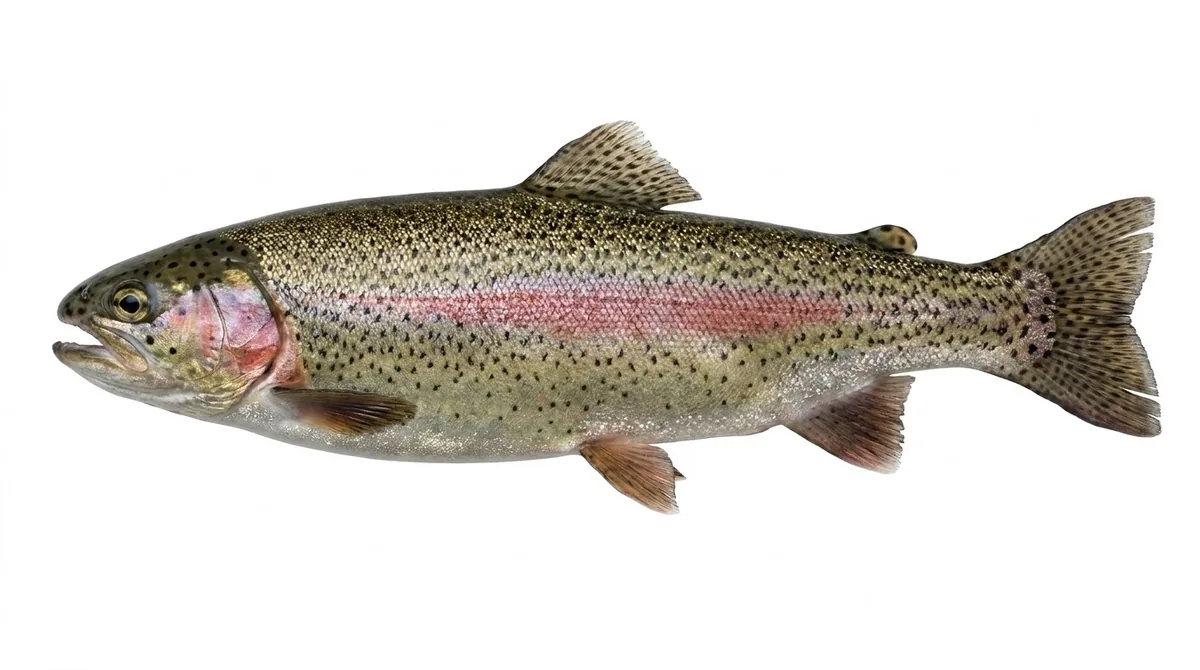
The rainbow trout (Oncorhynchus mykiss) is a species of trout native to cold-water tributaries of the Pacific Ocean in North America and Asia. The steelhead (sometimes called steelhead trout) is an anadromous (sea-run) form of the coastal rainbow trout (O. m. irideus) or Columbia River redband trout (O. m. gairdneri) that usually returns to freshwater to spawn after living two to three years in the ocean.
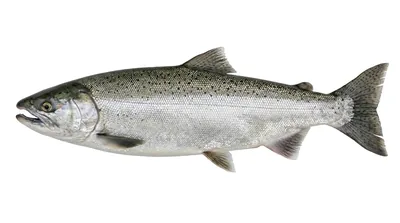
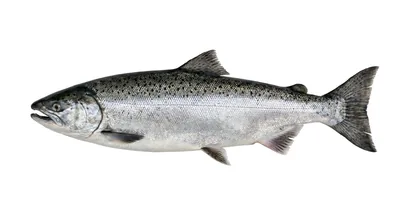
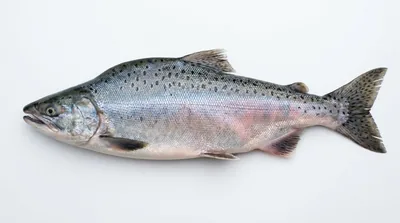
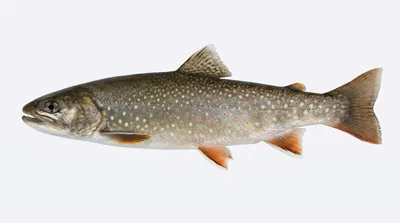
Adult freshwater stream rainbow trout average between 0.5 and 2.5 kilograms (1 and 5 lb), while lake-dwelling and anadromous forms may reach 9 kg (20 lb). Coloration varies widely based on subspecies, forms, and habitat. Adult fish are distinguished by a broad reddish stripe along the lateral line, from gills to the tail, which is most vivid in breeding males.
Wild-caught and hatchery-reared forms of the species have been transplanted and introduced for food or sport in at least 45 countries and every continent except Antarctica. Introductions to locations outside their native range in the United States, Southern Europe, Australia, New Zealand, and South America have damaged native fish species. Introduced populations may affect native species by preying on them, out-competing them, transmitting contagious diseases (such as whirling disease), or hybridizing with closely related species and subspecies. The rainbow trout is included in the list of the top 100 globally invasive species. Other introductions into waters previously devoid of fish or with severely depleted stocks of native fish have created sport fisheries, such as the Great Lakes and Wyoming's Firehole River.
Some local populations of specific subspecies, or in the case of steelhead, distinct population segments, are listed as either threatened or endangered under the Endangered Species Act. The steelhead is the official state fish of Washington.
Habitat
Rainbow trout, primarily hatchery-raised fish of the coastal rainbow trout subspecies (O. m. irideus) introduced into waters inhabited with cutthroat trout, will breed with cutthroats and produce fertile hybrids called cutbows. In the case of the westslope cutthroat trout (O. clarki lewisi), hybridization with introduced rainbow and Yellowstone cutthroat trout (O. clarki bouvieri) is threatening the westslope cutthroat trout with genomic extinction. Such introductions into the ranges of redband trout (O. m. gairdneri, newberrii, and stonei) have severely reduced the range of pure stocks of these subspecies, making them "species of concern" in their respective ranges. Within the range of the Kern River golden trout of Southern California, hatchery-bred rainbows introduced into the Kern River have diluted the genetic purity of the Kern River rainbow trout (O. m. gilberti) and golden trout (O. m. aguabonita) through intraspecific breeding. The Beardslee trout (O. m. irideus var. beardsleei), a genetically unique lake-dwelling variety of the coastal rainbow trout that is isolated in Lake Crescent (Washington), is threatened by the loss of its only spawning grounds in the Lyre River to siltation and other types of habitat degradation.
Distribution
The native range of Oncorhynchus mykiss is in the coastal waters and tributary streams of the Pacific basin, from the Kamchatka Peninsula in Russia, east along the Aleutian Islands, throughout southwest Alaska, the Pacific coast of British Columbia and southeast Alaska, and south along the west coast of the U.S. to northern Mexico. It is claimed that the Mexican forms of Oncorhynchus mykiss represent the southernmost native range of any trout or salmon (Salmonidae), though the Formosan landlocked salmon (O. masou formosanus) in Asia inhabits a similar latitude. The range of coastal rainbow trout (O. m. irideus) extends north from the Pacific basin into tributaries of the Bering Sea in northwest Alaska, while forms of the Columbia River redband trout (O. m. gairdneri) extend east into the upper Mackenzie River and Peace River watersheds in British Columbia and Alberta, Canada, which eventually drain into the Beaufort Sea, part of the Arctic Ocean. Since 1875, the rainbow trout has been widely introduced into suitable lacustrine and riverine environments throughout the United States and around the world. Many of these introductions have established wild, self-sustaining populations.
Behaviour
Rainbow trout are predators with a varied diet and will eat nearly anything they can capture. They are not as piscivorous or aggressive as brown trout or chars. Rainbow trout, including juvenile steelhead in fresh water, routinely feed on larval, pupal, and adult forms of aquatic insects (typically caddisflies, stoneflies, mayflies and aquatic diptera). They also eat fish eggs and adult forms of terrestrial insects (typically ants, beetles, grasshoppers, and crickets) that fall into the water, as well as algae. Other prey includes small fish up to one-third of their length, crayfish, shrimp, and other crustaceans. As rainbow trout grow, the proportion of fish consumed increases in most populations. Some lake-dwelling forms may become planktonic feeders. In rivers and streams populated with other salmonid species, rainbow trout eat varied fish eggs, including those of salmon, brown and cutthroat trout, mountain whitefish, and the eggs of other rainbow trout. Rainbows also consume decomposing flesh from the carcasses of other fish. They have even been observed to have consumed hatchling snakes, such as the barred grass snake (Natrix helvetica). Adult steelhead in the ocean feed primarily on other fish, squid and amphipods.
Description from Wikipedia, available under CC BY-SA.
Where the rainbow trout lives
Distribution data from GBIF (DOI: 10.15468/dl.8rzs8d).
Also known as
- Steelhead
- Steelhead trout
- Truite arc-en-ciel
- Truite
- Truite arc-en-ciel anadrome
- Truite saumonée
- Regenbogenforelle
- Forelle
- Lachsforelle
- Regnbåge
- Trotta iridea
- Šarenka
- Trucha arcoiris
- Pstrąg tęczowy
- Truta-arco-íris
- Regnbueørret
- Reënboogforel
- Dluzh kanevedenn
- Kalifornijska pastrmka
- Truita arc de Sant Martí
- Pstruh duhový
- Brithyll Seithliw
- Regnbueørred
- Ĉielarka truto
- Vikerforell
- Amuarrain ostadar
- Kirjolohi
- Troita arco da vella
- Szivárványos pisztráng
- Regnbogasilungur
- Reeboufrell
- Vaivorykštinis upėtakis
- Varavīksnes forele
- Regenboogforel
- Regnbogeaure
- Păstrăv curcubeu
- Pstruh dúhový
- Trutsang bahaghari
- Gökkuşağı alabalığı
- Trûte-airdiè
- Trout pelangi
- Kalifornijska pastrva
- 무지개송어
- Микижа
- Камчатская семга
- Радужная форель
- ニジマス
- Al-əlvan qızılxallı
- Стронга радужная
- Дъгова пъстърва
- রেইনবো ট্রাউট
- قزلآلای رنگینکمان
- טרוטת עין-הקשת
- Ծիածանափայլ իշխան
- ცისარტყელა კალმახი
- Құбылмалы бахтах
- ರೇನ್ಬೋ ಟ್ರೌಟ್
- Калифорниска пастрмка
- റെയിൻബോ ട്രൗട്ട്
- سترنگی ٹراؤٹ
- Пструг дуговый
- Дужичаста пастрмка
- ปลาเรนโบว์เทราต์
- Форель райдужна
- Cá hồi vân
- 虹鳟
- سلمون قوس قزح
- 虹鱒
Where to catch rainbow trout
- Achensee Austria Lake · Tyrol
- Attersee Austria Lake · live river data
- Danube River at Vienna Austria River · Vienna
- Inn River at Innsbruck Austria River · live river data
- Neusiedler See Austria Lake · live river data
- Traunsee Austria Lake · live river data