Fishing Calendar App
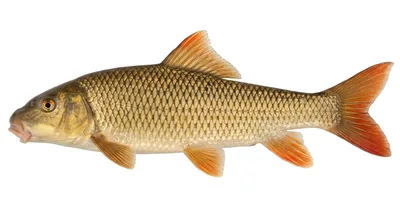
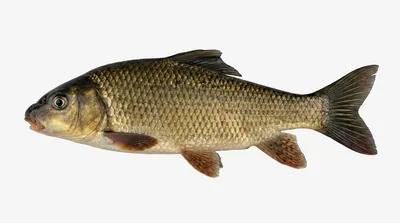
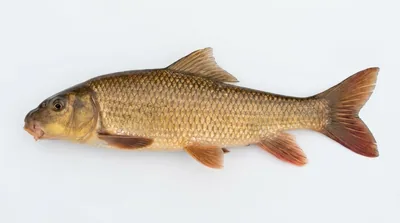
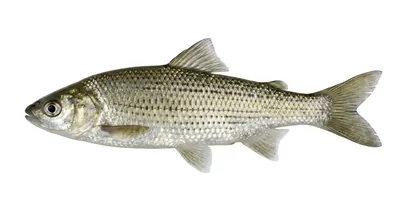
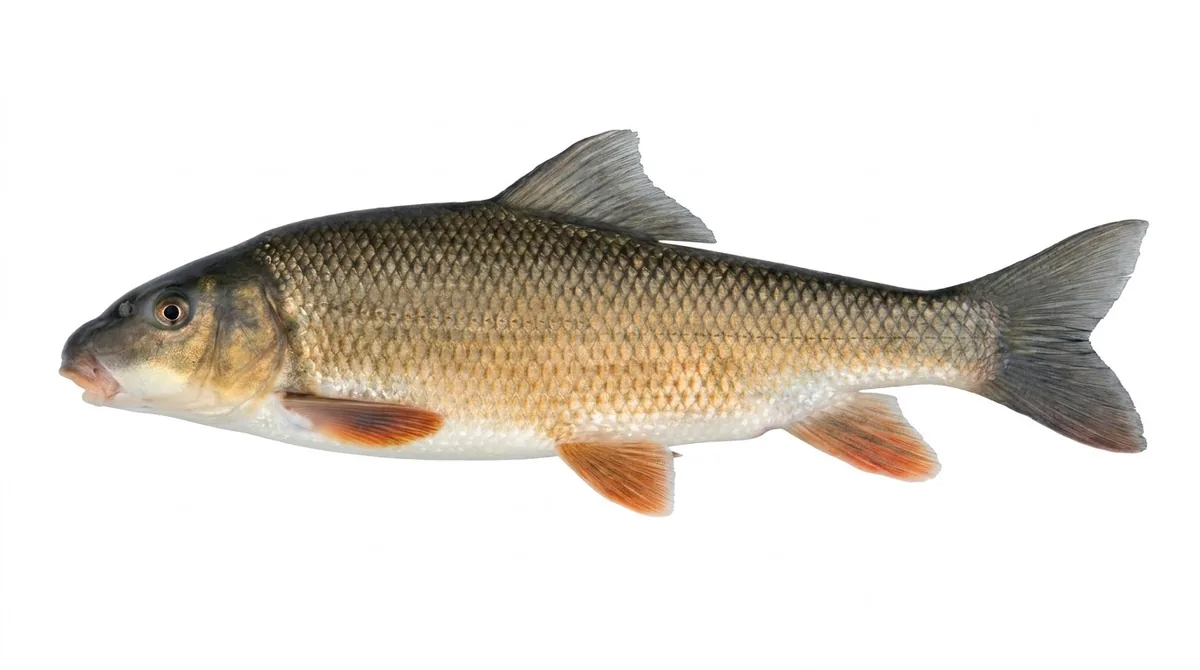
Black redhorse
Moxostoma duquesnei
- Freshwater
- Least Concern
- Max length
- 51 cm
- Class
- Teleostei
- Order
- Cypriniformes
- Family
- Catostomidae
- Genus
- Moxostoma
- North America - Inland waters
About the black redhorse
The black redhorse (Moxostoma duquesnei, also duquesnii, duquesni) is a species of freshwater fish endemic to Ontario and the eastern half of the United States, where it lives in streams and small to medium rivers.
A bottom-feeder, it feeds on microcrustaceans, aquatic insects, detritus, and algae. The black redhorse spawns in the spring.
This species has been identified as Threatened by the Committee on the Status of Endangered Wildlife in Canada (COSEWIC). It is currently being considered for listing under the federal Species at Risk Act (SARA).
Habitat
The black redhorse usually lives in moderately sized rivers and streams, 25 to 130 m (82 to 427 ft) wide, up to 1.8 m (5 ft 11 in) in depth, and with generally moderate to fast currents. It is rarely found associated with aquatic vegetation. Substrates include rubble, gravel, sand, boulders and silt. In summer, they generally prefer pools and overwinter in deeper pools. In the spring, black redhorse migrate to spawning habitats. Spring spawning has been observed in riffle habitats at water temperatures between 15 and 21 °C (59 and 70 °F), and over a variety of substrates from fine gravel to large cobble. Eggs are nonadhesive and range in size from 2.6 to 2.9 mm (3⁄32 to 1⁄8 in). The age at maturity is between two and six years. Lifespan increases with latitude and some individuals reach 16 years of age.
Distribution
The black redhorse has a wide, but disjunct, distribution in eastern North America. It is found from Alabama and Mississippi in the south to Ontario and Michigan in the north, and from New York in the east to Oklahoma and Minnesota in the west. In Canada, it is limited to southwestern Ontario where it occurs in only six watersheds. In the Lake Huron drainage, it is found in the Bayfield River, Maitland River and Ausable River watersheds. In the Lake Erie drainage, it is known from the Catfish Creek (extirpated) and Grand River watersheds. It is also present in the Thames River watershed in the Lake St. Clair drainage.
Behaviour
Adult black redhorse are bottom feeders and eat crustaceans and insects. The younger fish (less than 65 mm (2.6 in)) are thought to prefer plankton.
Description from Wikipedia, available under CC BY-SA.
Where the black redhorse lives
Distribution data from GBIF (DOI: 10.15468/dl.8rzs8d).
Also known as
- Chevalier noir
- Moxostoma duquesnii
- 杜氏吸口魚
Where to catch black redhorse
- Lake Erie at Cleveland United States Lake · live river data
- Lake Michigan at Chicago United States Lake · live river data
- Lake Ontario at Niagara United States Lake · live river data
- Arkansas River at Salida United States River · live river data
- Cape Fear River United States River · North Carolina
- Green River (Flaming Gorge) United States River · live river data