Fishing Calendar App
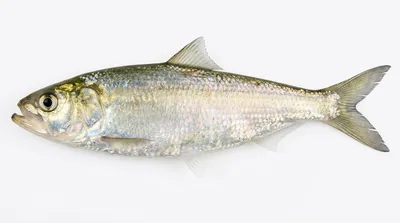
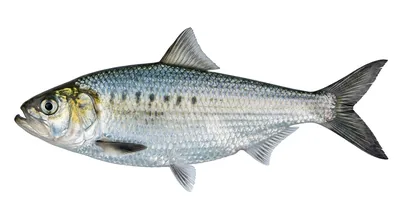
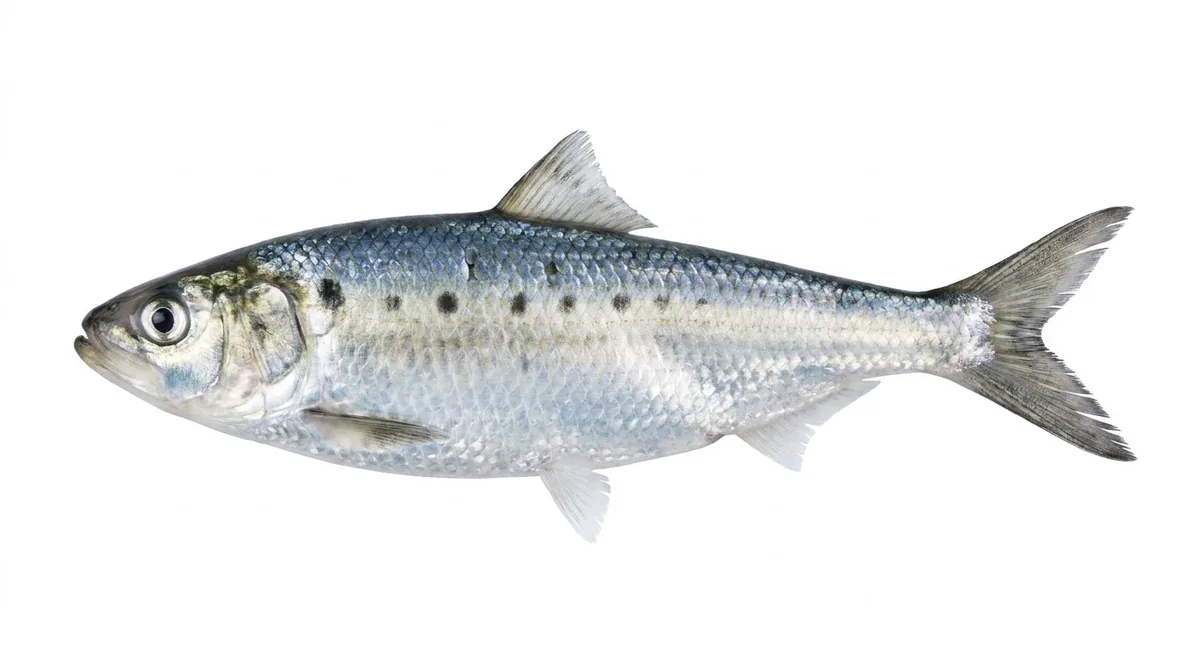
American shad
Alosa sapidissima
- Freshwater & Saltwater
- Least Concern
- Max length
- 76 cm
- Class
- Teleostei
- Order
- Clupeiformes
- Family
- Alosidae
- Genus
- Alosa
- Atlantic, Northwest
- North America - Inland waters
- Pacific, Northeast
About the american shad
The American shad (Alosa sapidissima) is a species of anadromous clupeid fish naturally distributed on the North American coast of the North Atlantic, from Newfoundland to Florida, and as an introduced species on the North Pacific coast. The American shad is not closely related to the other North American shads. Rather, it seems to form a lineage that diverged from a common ancestor of the European taxa before these diversified.
The American shad has been described as "the fish that fed the (American) nation's founders". Adult shad weigh between 1.5 and 3.5 kg (3 and 8 lb), and they have a delicate flavor when cooked. It is considered flavorful enough not to require sauces, herbs, or spices. It can be boiled, filleted and fried in butter, or baked. Traditionally, a little vinegar is sprinkled over it on the plate. In the Eastern United States, roe shads (females) are prized because the eggs are considered a delicacy.
The name "shad" derives from the Old English sceadd, meaning "herring"; it is a cognate to Irish, Welsh, and Scottish Gaelic words for herring.
Habitat
As adults, shad filter feed at sea and during their return journey to spawn. They are pursued and hunted primarily by striped bass and, at times, harbor seals. They may not actively feed on their return and are caught with special 'dart' lures instead of typical bait.
Description from Wikipedia, available under CC BY-SA.
Where the american shad lives
Distribution data from GBIF (DOI: 10.15468/dl.8rzs8d).
Also known as
- Shad
- Sábalo americano
- Alose savoureuse
- Aloza amerykańska
- Saboga sapidíssima
- Amerikansilli
- Temparik Amerika
- Skjaddi
- Amerikas palede
- Amerikaanse elft
- Американский шэд
- Американская сельдь
- Шед
- شاد الامريكيه
- Американска алоза
- شاهماهی آمریکایی
- 美洲西鯡
Where to catch american shad
- Arkansas River at Salida United States River · live river data
- Bristol Bay United States Bay · Alaska
- Cape Cod Bay United States Bay · Massachusetts
- Cape Fear River United States River · North Carolina
- Chesapeake Bay United States Estuary · Maryland and Virginia
- Columbia River at Astoria United States River · Oregon-Washington