Fishing Calendar App
Hickory shad
Alosa mediocris
- Freshwater & Saltwater
- Least Concern
- Max length
- 60 cm
- Class
- Teleostei
- Order
- Clupeiformes
- Family
- Alosidae
- Genus
- Alosa
- Atlantic, Northwest
- Atlantic, Western Central
- North America - Inland waters
About the hickory shad
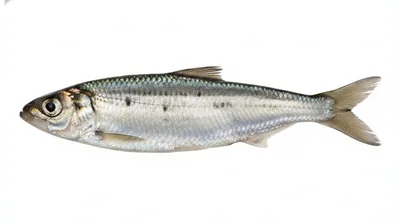
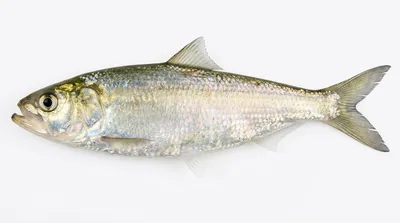
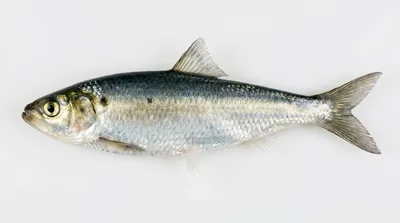
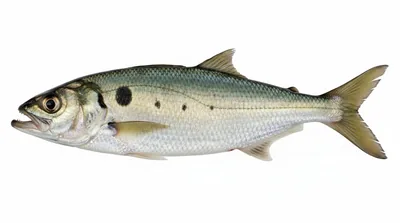
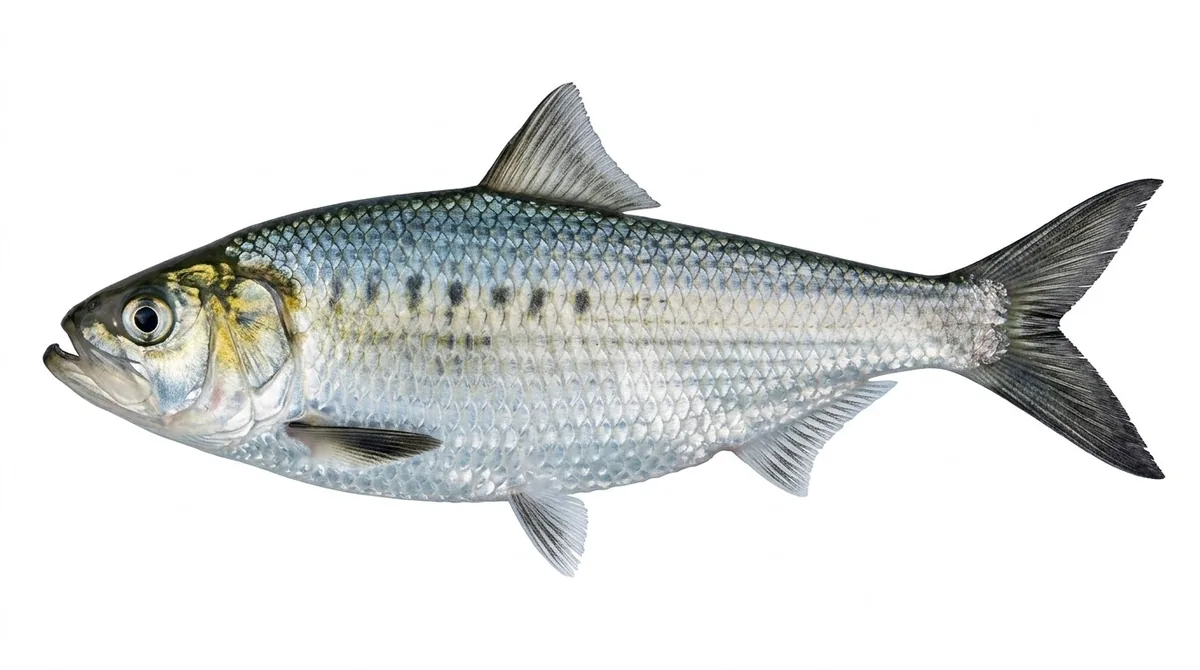
The hickory shad (Alosa mediocris), fall herring, mattowacca, freshwater taylor or bonejack is a member of the family Alosidae, ranging along the East Coast of the United States from Florida to the Gulf of Maine. It is an anadromous fish species, meaning that it spawns in freshwater portions of rivers, but spends most of its life at sea. It is subject to fishing, both historic and current, but it is often confused with or simply grouped together with American shad (A. sapidissima) in catch statistics.
Distribution
Hickory shad range from northern Florida to the Gulf of Maine. The largest populations occur in Chesapeake Bay and coastal North Carolina. It is a schooling anadromous species that inhabits marine waters, probably never far from land. Adults enter estuaries and freshwater tributaries from the St. John's River, Florida, to the Patuxent River, Maryland, to spawn during the spring. Their oceanic movements are poorly documented.
Spawning occurs from December to June, earliest in Florida and later with increasing latitude. The slightly adhesive and demersal eggs, about 1 mm in diameter, appear to be dispersed at random over gravel bars in moderate current. After water hardening, the eggs become semibuoyant and develop as they drift along the bottom. Fecundity ranges from 43,000 – 475,000 eggs per female, and although the developmental stages of eggs, larvae, and juveniles have been described, little is known concerning the distribution, ecology, and growth rates of these early life stages.
Hickory shad live to seven years. Both sexes mature starting at 2 years of age and can repeat spawn. Females are larger than males; in Florida, the average female is 37 centimetres (15 in) fork length and the average male is 34 centimetres (13 in) fork length.
Hickory shad are piscivorous, feeding primarily on small fishes, although crustaceans and squid contribute to their diet. One study from Florida showed that their diet on the spawning grounds was almost exclusively fish (97% by weight), but feeding is limited during the freshwater migration and mesenteric fat reserves developed prior to migration are metabolized en route.
Description from Wikipedia, available under CC BY-SA.
Where the hickory shad lives
Distribution data from GBIF (DOI: 10.15468/dl.8rzs8d).
Also known as
- Hickorysill
- Aloza chikora
- هيكورى شاد
- 北美西鯡
Where to catch hickory shad
- Arkansas River at Salida United States River · live river data
- Cape Cod Bay United States Bay · Massachusetts
- Cape Fear River United States River · North Carolina
- Chesapeake Bay United States Estuary · Maryland and Virginia
- Delaware Bay United States Bay · Delaware-New Jersey
- Florida Bay (Everglades) United States Bay · Florida