Fishing Calendar App
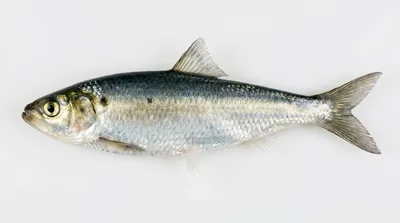
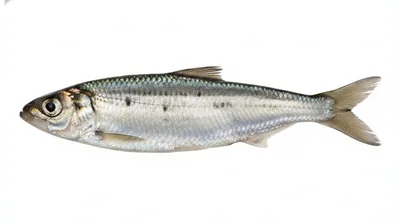
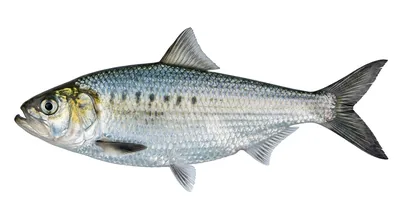
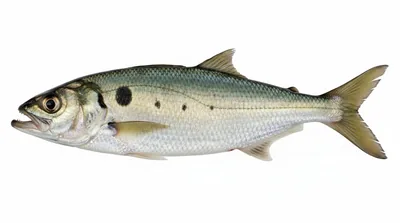
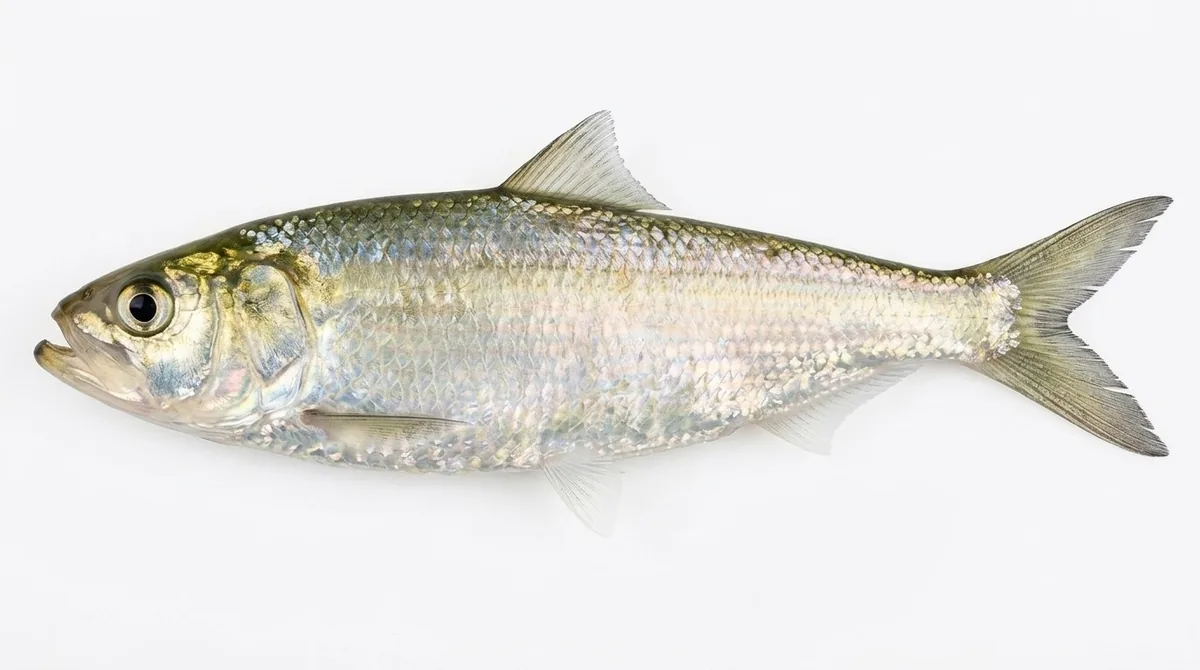
Skipjack shad
Alosa chrysochloris
- Freshwater & Saltwater
- Least Concern
- Max length
- 50 cm
- Class
- Teleostei
- Order
- Clupeiformes
- Family
- Alosidae
- Genus
- Alosa
- Atlantic, Western Central
- North America - Inland waters
About the skipjack shad
The skipjack herring (Alosa chrysochloris) is a North American, migratory, fresh and brackish water fish species in the herring family Alosidae. The name skipjack shad comes from the fact that it is commonly seen leaping out of the water while feeding. Other common names include blue herring, golden shad, river shad, Tennessee tarpon, and McKinley shad. The skipjack shad is restricted to the Gulf of Mexico drainage basins. Skipjack are found in clear to moderately turbid water in areas with flow. Because they are a migratory species, dams often impede their reproduction. Records suggest that this species was much more abundant in the Upper Mississippi River basin before it was impounded. Currently, skipjack is most abundant in the upper Mississippi River below the mouth of the Ohio River. They are known as an "early-run" species, as they migrate to spawn in the early spring.
Habitat
Skipjack herring are a migratory schooling species. They are a euryhaline species that can enter brackish and freshwater bodies. They can be anadromous but are not obligated to be because they can complete their life cycle in freshwater. Skipjack shad are strongly migratory within rivers and prefer fast flowing water where they are renowned for leaping. They are found in clear to moderately turbid waters in large rivers and reservoirs usually within the current over sand or gravel. In one study, skipjack herring have been found to feed on other shad/herring species such as the threadfin shad, the gizzard shad and young of the year herring species. In some extreme cases, it was shown that they could rely on cannibalism to survive. They are also known to feed on small fishes, mostly shad, while the juveniles feed on insects. The maximum size of the shad/herring utilized by skipjack shad was found to be about 30–35% of the skipjack's body length. There is not much data on the predators of the skipjack shad. Larger fish species, seabirds, and humans prey upon them. In fact, it is shown that fish species in the family Clupeidae including the skipjack herring comprise up to 45% of the diet of these avian species.
Distribution
Currently skipjack herring are restricted to the Gulf of Mexico and its drainage, in the United States. The Gulf of Mexico drainage includes the Mobile River basin, the ACF basin (Apalachicola/Chattahoochee/Flint River), the Mississippi basin, and the Rio Grande basin. Records indicate that this species was more abundant in the upper Mississippi River before it was impounded, and currently skipjack herring are most abundant in the upper Mississippi River below the mouth of the Ohio River. In recent years, human modifications to the middle Missouri River have made conditions more favorable for skipjack shad and their distribution has expanded upstream to the Nebraska-South Dakota border. Skipjack herring were historically found in the northern upper Mississippi River and the St. Croix River; however, there have only been four records of skipjack shad in Wisconsin waters since the 1950s. Because this fish is a migratory species, dams have diminished its distribution. It cannot continue to migrate northward over dams; therefore it is rare to see a skipjack in the upper reaches of the Gulf of Mexico drainages.
Description from Wikipedia, available under CC BY-SA.
Where the skipjack shad lives
Distribution data from GBIF (DOI: 10.15468/dl.8rzs8d).
Also known as
- Skipjack herring
- شاد سكيبجاك
- Жашыл жон
- 墨西哥灣西鯡
Where to catch skipjack shad
- Arkansas River at Salida United States River · live river data
- Cape Fear River United States River · North Carolina
- Florida Bay (Everglades) United States Bay · Florida
- Florida Keys United States Coast · Florida
- Galveston Bay United States Bay · Texas
- Green River (Flaming Gorge) United States River · live river data