Fishing Calendar App
Yellow bass
Morone mississippiensis
- Freshwater
- Least Concern
- Max length
- 46 cm
- Class
- Teleostei
- Order
- Eupercaria incertae sedis
- Family
- Moronidae
- Genus
- Morone
- North America - Inland waters
About the yellow bass
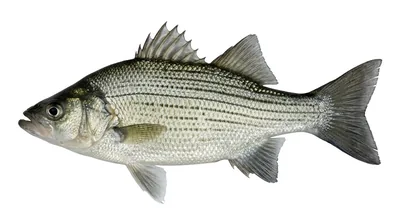
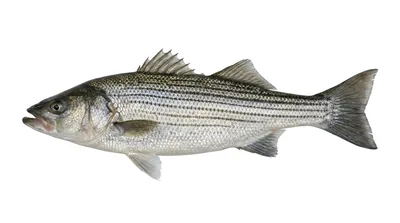
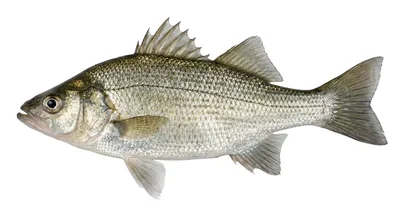
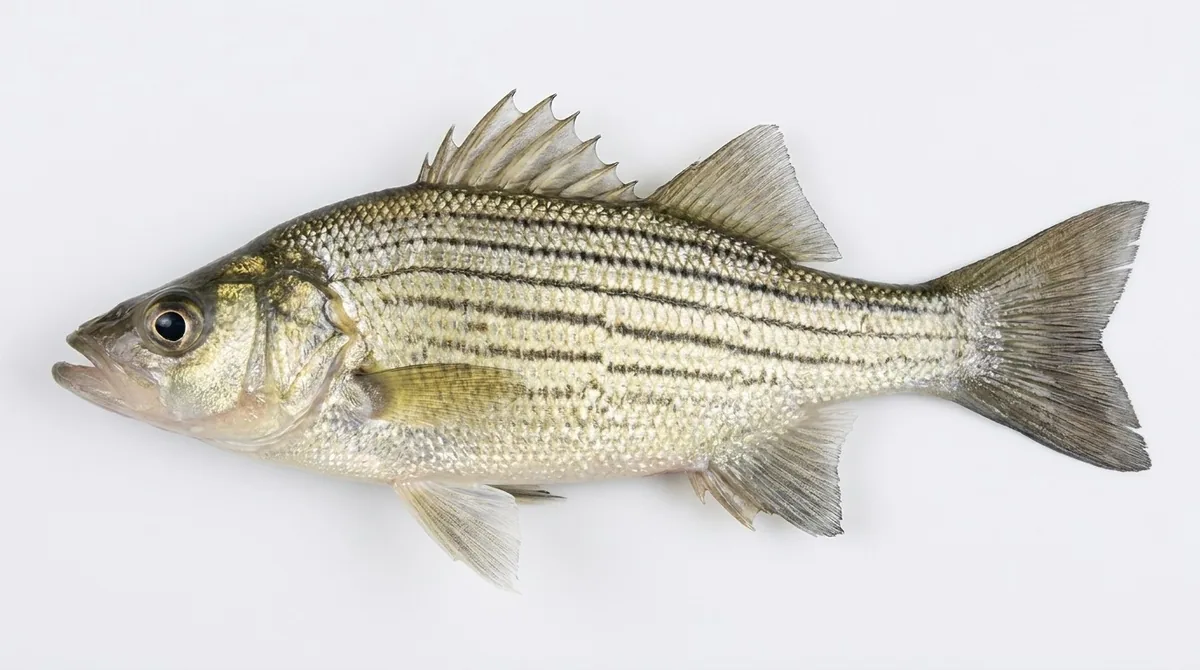
The yellow bass (Morone mississippiensis) is a member of the family Moronidae. This species is a deep bodied fish that possesses five to seven dark stripes laterally along the sides, the lowest few of these are often broken or disrupted anterior to the origin of the anal fin. This species is somewhat similar to two other species in the family Moronidae, the white bass and the striped bass. The yellow bass is distinguishable from both of these species by having the offset lateral stripes above the anal fin and from not possessing tooth patches on the tongue. The yellow bass differs further from the white bass by having nine to ten anal rays in comparison to eleven or thirteen. The back of the fish is usually a dark olive green, and the abdomen and sides are often a silvery yellow.
Distribution
Yellow bass may be found in somewhat clear waters of the Mississippi River from Minnesota to Louisiana and may also be found in the Trinity River and the Tennessee River. The yellow bass can also be found in lakes surrounding these rivers, especially in areas with dense vegetation and low turbidity. It may move into brackish estuaries.
Behaviour
Food exploited by young yellow bass include small invertebrates including copepods and aquatic insects. The juvenile yellow bass feeds almost exclusively on aquatic insects and crustaceans, and once they reach adulthood they feed primarily on other small fishes; the rest of their diet consists of small crustaceans.
Description from Wikipedia, available under CC BY-SA.
Where the yellow bass lives
Distribution data from GBIF (DOI: 10.15468/dl.8rzs8d).
Also known as
- 密西西比狼鱸
Where to catch yellow bass
- Arkansas River at Salida United States River · live river data
- Cape Fear River United States River · North Carolina
- Green River (Flaming Gorge) United States River · live river data
- Kenai River United States River · Alaska
- Kentucky Lake United States Reservoir · Kentucky-Tennessee
- Lake Champlain United States Lake · live river data