Fishing Calendar App
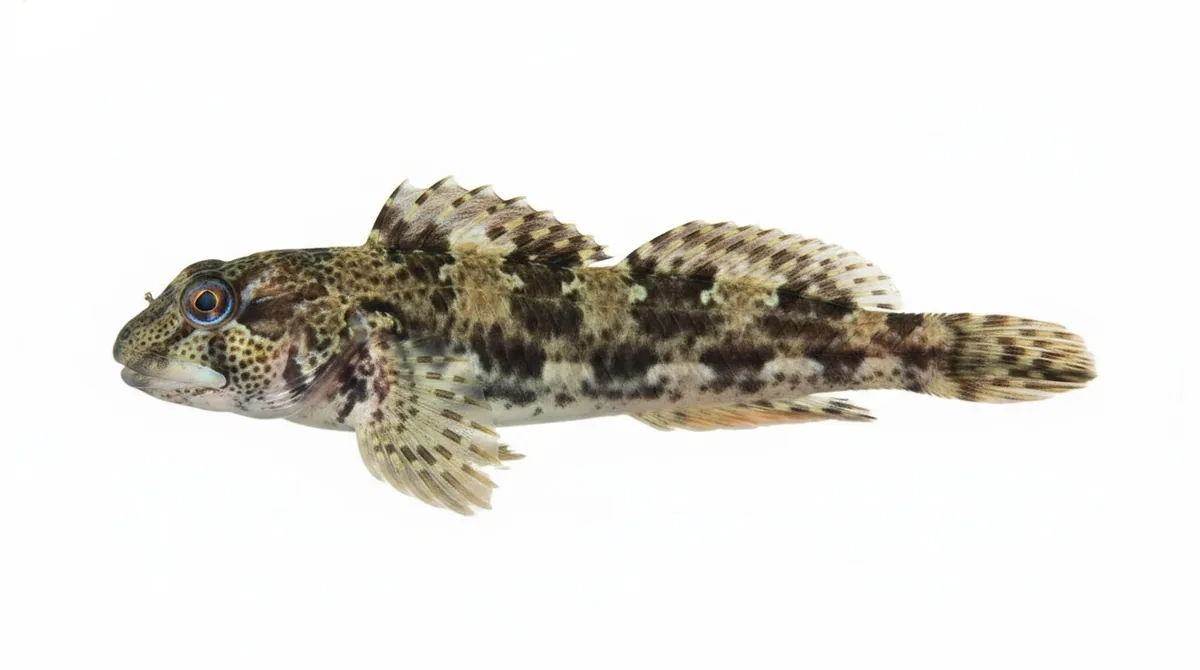
Shanny
Lipophrys pholis
- Saltwater
- Least Concern
- Max length
- 18 cm
- Class
- Teleostei
- Order
- Blenniiformes
- Family
- Blenniidae
- Genus
- Lipophrys
- Atlantic, Eastern Central
- Atlantic, Northeast
About the shanny
Lipophrys pholis, commonly known as shanny, also known as the smooth blenny or common blenny, is a species of combtooth blenny. It matures at two years of age. Distributed in the Eastern Atlantic from the southern Norway to Morocco and Madeira, including the Mediterranean and the Balearics. Lipophrys pholis feed primarily on crustaceans, but also feed on other invertebrates and plants.
Habitat
The shanny is an intertidal species which displays homing behavior and which occurs along rocky coasts in shallow waters. This species can stay out of water sheltering under rocks or seaweeds. It is largely diurnal at high tide and it can breathe air when exposed by the ebbing tide. They prefer to remain in rockpools at low tide and will only shelter in crevices or under boulders if they cannot return to a favoured pool. Its food consists of small benthic invertebrates, especially snails, barnacles and amphipods, as well as some algae. Less important in its diet are crabs, polychaetes, isopods, copepods, limpets, mussels and other small molluscs.
This species is oviparous: the female laying eggs which are 1.5 mm in diameter. The eggs are demersal and adhere to the substrate. Spawning occurs in the warmer months of April to August. The male and female mate in pairs, the male mates with several females and guards all of their eggs. Each female spawns three times in a season. The eggs are laid under rocks in the intertidal zone and the larvae are young can be common on shorelines in the autumn.
Distribution
Lipophrys pholis has a wide distribution in the north-eastern Atlantic Ocean and the western Mediterranean. It extends from Norway to Morocco and Madeira and in to the Mediterranean as far east as the Balearic Islands. It is very common around the coasts of Britain and Ireland.
Description from Wikipedia, available under CC BY-SA.
Where the shanny lives
Distribution data from GBIF (DOI: 10.15468/dl.8rzs8d).
Also known as
- Blenny
- Smooth blenny
- Blennie pholis
- Mordocet
- Pholis
- Schan
- Ślizg nakrapiany
- Skyggfisk
- Tangkvabbe
- Bavosa de cinc
- Llyfrothen Benddu
- Kabuxa burusoil
- Luikero
- Gewone slijmvis
- روالة
- ليبوفريس فوليس
- 穴棲無眉䲁
Where to catch shanny
- Limfjord Denmark Fjord · North Jutland
- Skagen Coast Denmark Coast · North Jutland
- Helsinki Archipelago Finland Archipelago · Uusimaa
- Rügen (Baltic Coast) Germany Coast · Mecklenburg-Vorpommern
- Sylt (Wadden Sea) Germany Coast · Schleswig-Holstein
- Dingle Bay Ireland Bay · Munster