Fishing Calendar App
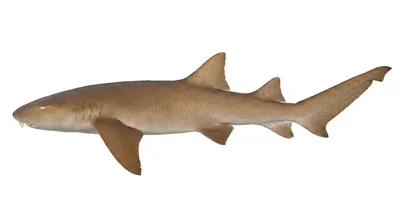
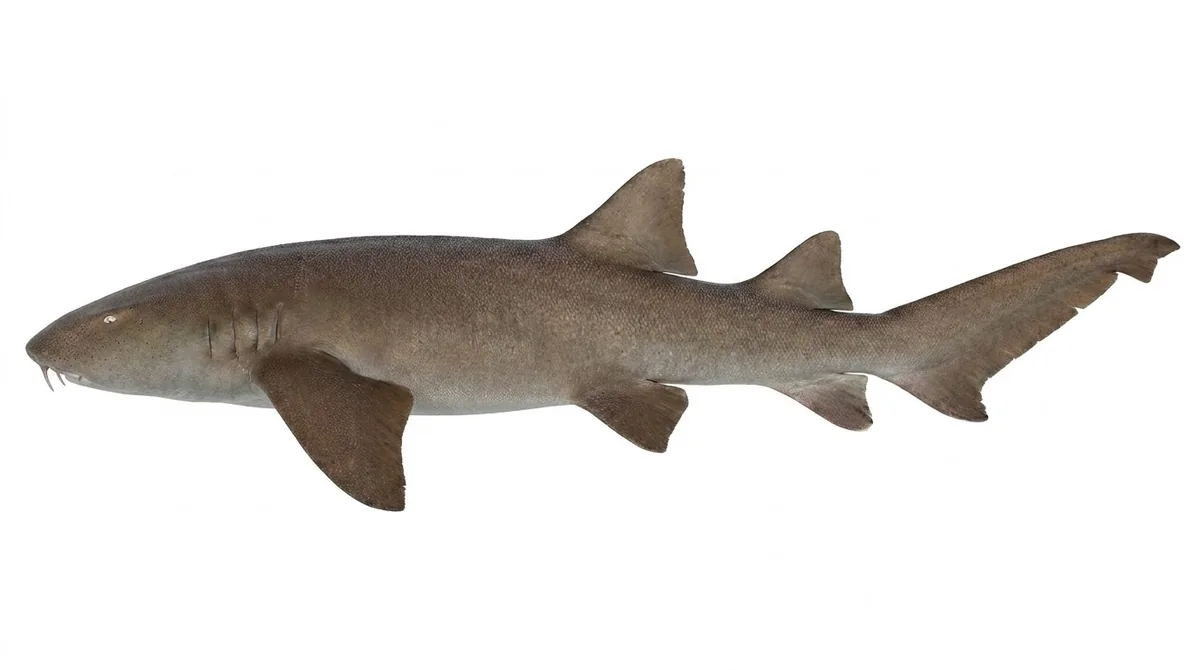
Nurse shark
Ginglymostoma cirratum
- Saltwater
- Vulnerable
- Max length
- 430 cm
- Class
- Elasmobranchii
- Order
- Orectolobiformes
- Family
- Ginglymostomatidae
- Genus
- Ginglymostoma
- Atlantic, Eastern Central
- Atlantic, Southwest
- Atlantic, Western Central
- Pacific, Eastern Central
About the nurse shark
The nurse shark (Ginglymostoma cirratum) is an elasmobranch fish in the family Ginglymostomatidae. The conservation status of the nurse shark is globally assessed as vulnerable in the IUCN List of Threatened Species. They are considered to be a species of least concern in the United States and in The Bahamas, but considered to be near threatened in the western Atlantic Ocean because of their vulnerable status in South America and reported threats throughout many areas of Central America and the Caribbean. They are directly targeted in some fisheries and considered by-catch in others.
Nurse sharks are an important species for shark research. They are robust and able to tolerate capture, handling, and tagging extremely well. As inoffensive as nurse sharks may appear, they are ranked fourth in documented shark bites on humans, likely due to incautious behavior by divers on account of the nurse shark's calm, sedentary nature.
Distribution
The nurse shark has a wide but patchy geographical distribution along tropical and subtropical coastal waters of the Eastern Atlantic, Western Atlantic, and Eastern Pacific. In the Eastern Atlantic, it ranges from Cape Verde to Gabon (accidental north to France). In the Western Atlantic, including the Caribbean, it ranges from Rhode Island to southern Brazil, and in the Eastern Pacific from Baja California to Peru.
Nurse sharks are a typically inshore, bottom-dwelling species. Juveniles are mostly found on the bottom of shallow coral reefs, seagrass flats, and around mangrove islands, whereas older individuals typically reside in and around deeper reefs and rocky areas, where they tend to seek shelter in crevices and under ledges during the day and leave their shelter at night to feed on the seabed in shallower areas.
Nurse sharks are also subject to piebaldism, a genetic condition that results in a partial lack of body pigmentation and a speckled body.
Description from Wikipedia, available under CC BY-SA.
Where the nurse shark lives
Distribution data from GBIF (DOI: 10.15468/dl.8rzs8d).
Also known as
- Sand shark
- Gata
- Gata nodriza
- Tiburón gata
- Tiburón nodriza
- Requin nourrice
- Atlantischer Ammenhai
- Rekin wąsaty
- Amhaj
- Tubarão-lixa
- Cacao lixa
- Gata atlantica
- Tauró nodrissa
- Žralok vouskatý
- Viiksihai
- Siorc insebhéalach
- Hiu perawat
- Verpleegsterhaai
- Hemşire köpekbalığı
- Усатая акула-нянька
- Акула-нянька
- 대서양수염상어
- コモリザメ
- قرش حاضن
- قرش المرضعه
- Акула дойка
- Καρχαρίας τροφός
- کوسه پرستار
- מפרקתן הבינים
- नर्स शार्क
- നഴ്സ് സ്രാവ്
- نرس شارک
- ปลาฉลามพยาบาล
- Акула-нянька атлантична
- Cá mập miệng bản lề
- 鉸口鯊
Where to catch nurse shark
- Cape Fear River United States River · North Carolina
- Florida Bay (Everglades) United States Bay · Florida
- Florida Keys United States Coast · Florida
- Galveston Bay United States Bay · Texas
- Lake Pontchartrain United States Lake · Louisiana
- Port Aransas United States Coast · Texas