Fishing Calendar App
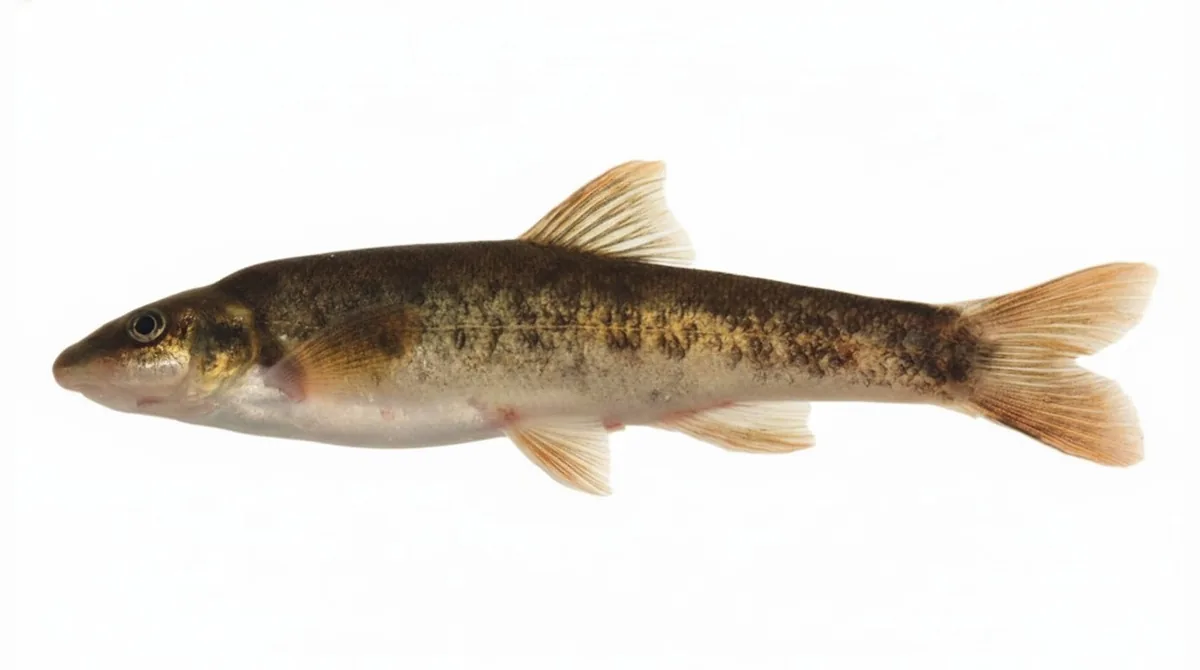
Longnose dace
Rhinichthys cataractae
- Freshwater
- Least Concern
- Max length
- 22 cm
- Class
- Teleostei
- Order
- Cypriniformes
- Family
- Cyprinidae
- Genus
- Rhinichthys
- North America - Inland waters
- Asia - Inland waters
About the longnose dace
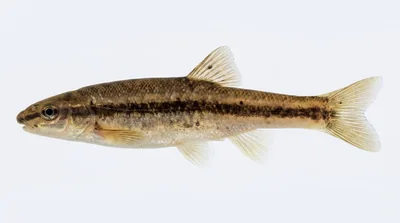
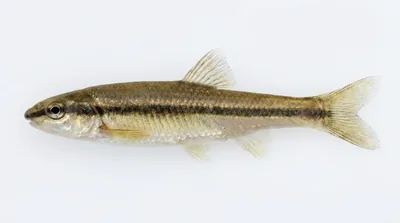
The longnose dace (Rhinichthys cataractae) is a freshwater minnow native to North America. Rhinicthys means snout fish (reference to the long snout) and cataractae means of the cataract (first taken from Niagara Falls). Longnose dace are small, typically less than 100 mm and characterized by their fleshy snout that protrudes past the mouth. They are well adapted for living on the bottom of fast-flowing streams among stones. Longnose dace eat algae and aquatic insects and are important forage minnows for larger predatory fish.
Habitat
Longnose dace occur in moderately cool water streams, rivers and lakes with temperatures up to 22 °C (72 °F). Longnose dace are benthic and preferentially occupy rock and gravel substrate. During the day longnose dace hide under rocks. Longnose dace prefer shallow, fast-moving riffles in streams and rivers and the turbulent, near-shore region of lakes. Longnose dace are opportunistic foragers. Small longnose dace (≤ 50 mm (2.0 in)) primarily consume algae and benthic invertebrates dace (> 50 mm (2.0 in)) feed on fish scales, fish eggs, terrestrial insects, and aquatic benthic macroinvertebrates, although diet varies seasonally. They are nocturnal feeders, possibly to avoid predation and/or salmonid competitors.
Longnose dace have small home ranges and high site fidelity, however there is evidence that a small proportion are able to disperse distances greater than 500 km (310 mi).
Distribution
Longnose dace have the widest distribution of any cyprinid in North America, with a range reaching as far south as the Rocky Mountains in northern New Mexico and as far north as the Mackenzie River near the Arctic Circle and across the continent from the Pacific to Atlantic coast. Multiple refugia during the most recent glacial maximum may explain the broad geographic distribution of longnose dace. There were up to three possible glacial refuges during Pleistocene glaciations: the Pacific, the Mississippi and the Atlantic. Longnose dace on the Quebec peninsula likely originated only from the Atlantic refuge, in contrast to other fish species on the peninsula that originated from multiple refugia. Longnose dace in northwestern North America originated from a Pacific refuge.
Description from Wikipedia, available under CC BY-SA.
Where the longnose dace lives
Distribution data from GBIF (DOI: 10.15468/dl.8rzs8d).
Also known as
- Naseux de rapides
- Naseux des rapides
- Carpita rinconera
- 吻鱥
Where to catch longnose dace
- Arkansas River at Salida United States River · live river data
- Cape Fear River United States River · North Carolina
- Green River (Flaming Gorge) United States River · live river data
- Kenai River United States River · Alaska
- Kentucky Lake United States Reservoir · Kentucky-Tennessee
- Lake Champlain United States Lake · live river data