Fishing Calendar App
Lingcod
Ophiodon elongatus
- Saltwater
- Max length
- 152 cm
- Class
- Teleostei
- Order
- Perciformes
- Family
- Hexagrammidae
- Genus
- Ophiodon
- Pacific, Eastern Central
- Pacific, Northeast
About the lingcod
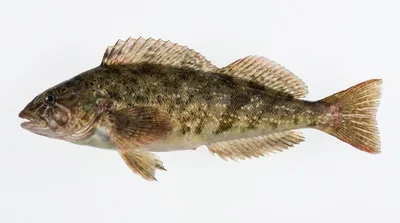
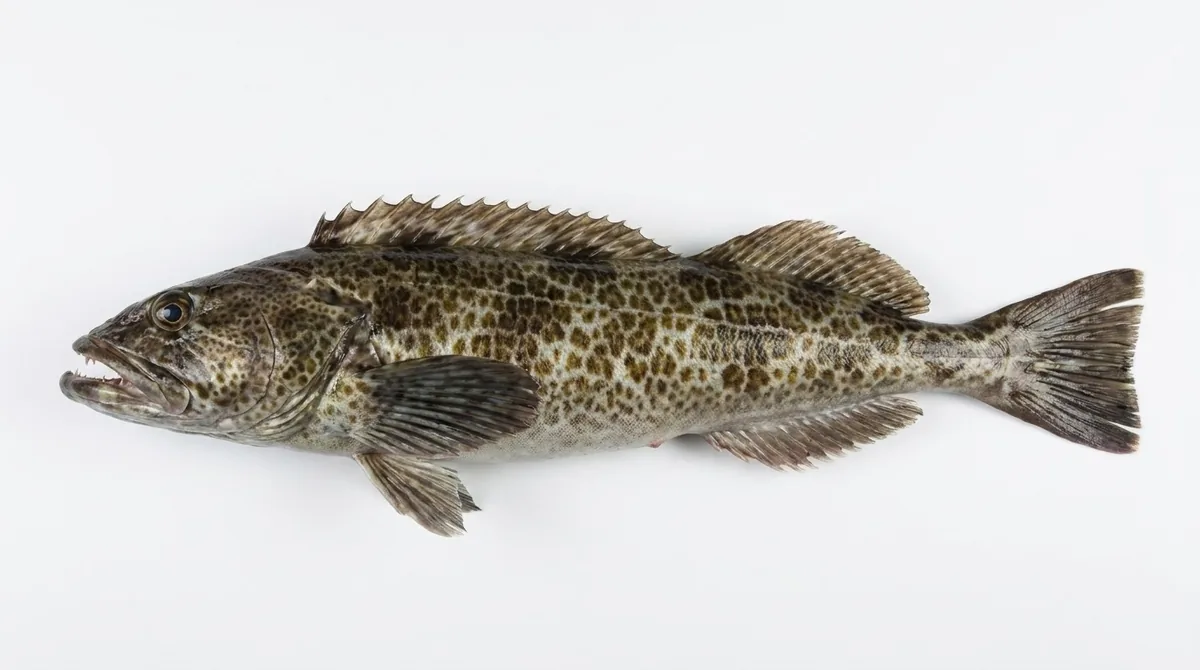
The lingcod or ling cod (Ophiodon elongatus) is a fish of the greenling family Hexagrammidae. Despite its name, the lingcod is neither a cod nor a ling. It is also known as the buffalo cod, cultus cod, or Buckethead. It is the only extant member of the genus Ophiodon. A slightly larger, extinct species, Ophiodon ozymandias, is known from fossils from the Late Miocene of Southern California.
Ophiodon elongatus is native to the North American west coast from Shumagin Islands in the Gulf of Alaska to Baja California, Mexico. It has been observed up to a size of 152 centimetres (60 in) and a confirmed weight of 39 kilograms (86 lb), with unconfirmed reports of fish weighing more than 50 kilograms (110 lb).
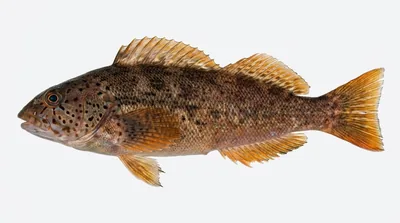
It is spotted in various shades of gray. The lingcod is a popular eating fish and is thus prized by anglers. Though not closely related to either ling or cod, the name "lingcod" originated because it somewhat resembles those fish. Around 20% of lingcods have blue-green to turquoise flesh.p. 298 The color, which is no longer present after cooking, may be due to biliverdin, but this has not been established beyond doubt.
Distribution
Ophiodon elongatus is native to the North American west coast from the Shumagin Islands in the Gulf of Alaska to Baja California, Mexico. They are found on the bottom, with most individuals occupying rocky areas at depths of 10–100 metres (33–328 ft), however, lingcod has been found at depths of 475 m (1,558 ft). Tagging studies have shown lingcod is a largely nonmigratory species, with colonization and recruitment occurring in localized areas only. However, lingcod are the most abundant near British Columbia, Canada, and Washington, USA. The lingcod within this range are composed of two stocks, whose status is maintained by NOAA Fisheries: The Northern Pacific stock and the Southern Pacific stock. When lingcod are in their larvae life stage, they typically live near the surface of the ocean. At the juvenile life stage, lingcod live on sandy ocean bottoms with eelgrass or kelp beds near the shore. More specifically, year 1 lingcod (those equal to or under 25 cm (9.8 in)) are found in homogeneous soft sediment to avoid predation from adult lingcod as well as wave relief areas. Meanwhile, year 2 lingcod (those 25–45 cm (9.8–17.7 in) in length) are found usually near alternating sizes of rock substrates with varying combinations of moderate and low relief but still in generally shallow waters. As lingcod approach adulthood, they move to more rocky habitats or into seaweed, kelp, and eelgrass beds. The benefit of this habitat is food abundance. Year 3+ lingcod (which are equal to or greater than 50 cm (20 in)) are positively associated with a hard substrate such as rocky reefs and generally deeper waters as well. Such a shift in habitat based on the life stages portrays lingcod's ontogenetic shift.
Typically, female lingcod will migrate seasonally to spawn but male lingcod prefer to stay near the familiar habitat in which they were born. However, in certain cases, there have been cases of immature lingcod migrating more than 97 km (60 mi). Females mainly go to more shallow waters to lay eggs. Lingcod have a narrow home range and show territorial behaviors. This behavior aids lingcod in returning to the same reef for spawning.
Behaviour
Adult lingcod are aggressive predators. They consume other bottom-dwelling fish, including other lingcod, squid, octopus, and crab. They are "known to prey on almost anything they can get in their mouths."
Larval lingcod feed on zooplankton, krill, and larval crustaceans, while juvenile lingcod feed on small fish.
Lingcod are most vulnerable to predators as eggs and larvae. Adult males therefore guard the egg nests (see next section). But this makes them vulnerable to predation by seals, sea lions, and anglers.
Description from Wikipedia, available under CC BY-SA.
Where the lingcod lives
Distribution data from GBIF (DOI: 10.15468/dl.8rzs8d).
Also known as
- Molva
- Morue-lingue
- Lengdorsch
- Ofiodon
- Grönfisk
- Hřebeník velký
- Lingtorsk
- Kameleonttisimppu
- Зубатый терпуг
- 범노래미
- キバアイナメ
- لينجكود
- روغنماهی دراز
- לינגקוד
- 長蛇齒單線魚
Where to catch lingcod
- Bristol Bay United States Bay · Alaska
- Columbia River at Astoria United States River · Oregon-Washington
- Monterey Bay United States Bay · California
- Puget Sound at Seattle United States Sound · Washington
- San Diego Bay United States Bay · California
- San Francisco Bay United States Bay · California