Fishing Calendar App
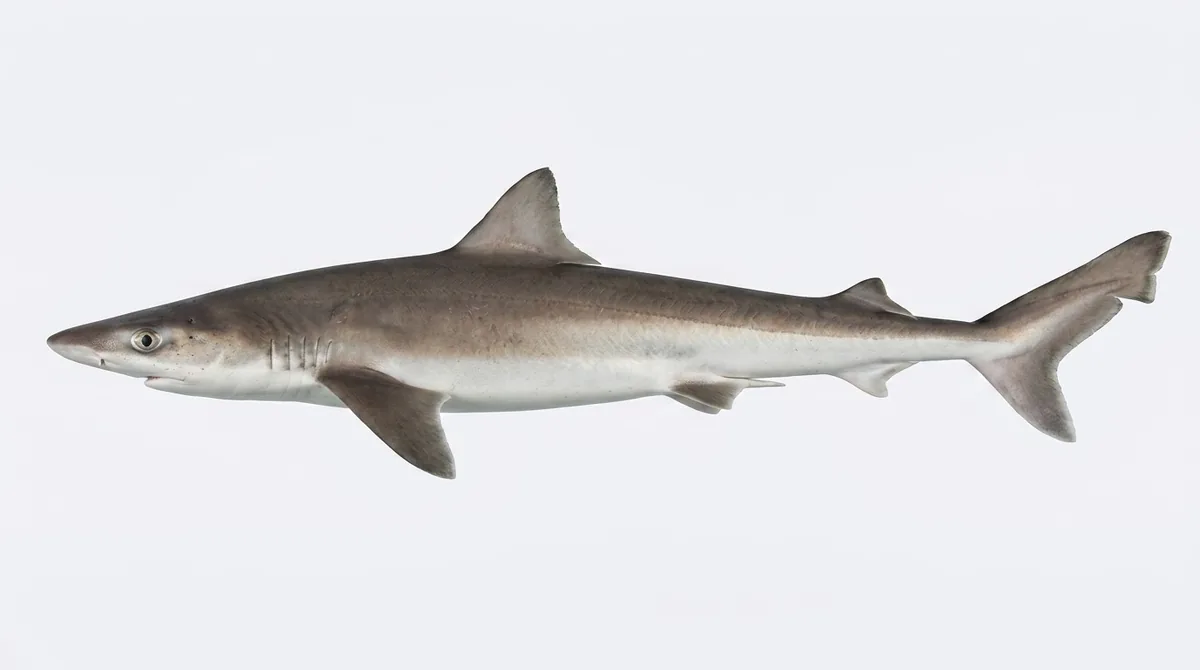
School shark
Galeorhinus galeus
- Saltwater
- Critically Endangered
- Max length
- 200 cm
- Class
- Elasmobranchii
- Order
- Carcharhiniformes
- Family
- Triakidae
- Genus
- Galeorhinus
- Atlantic, Northeast
- Atlantic, Southeast
- Indian Ocean, Eastern
- Mediterranean and Black Sea
- Pacific, Eastern Central
- Pacific, Southwest
About the school shark
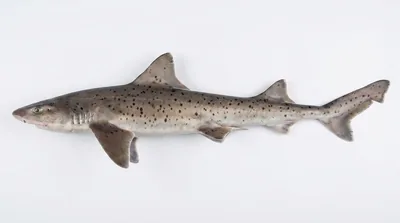
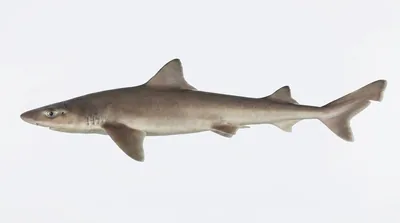
The school shark (Galeorhinus galeus) is a houndshark of the family Triakidae, and the only living member of the genus Galeorhinus. Common names also include tope, tope shark, snapper shark, and soupfin shark. It is found worldwide in temperate seas at depths down to about 800 m (2,600 ft). It can grow to nearly 2 m (6 ft 7 in) long. It feeds both in midwater and near the seabed, and its reproduction is ovoviviparous. This shark is caught in fisheries for its flesh, its fins, and its liver, which has a very high vitamin A content. The IUCN has classified this species as critically endangered in its Red List of Threatened Species.
Distribution
The school shark has a widespread distribution and is found mainly near the seabed around coasts in temperate waters, down to depths around 800 m (2,600 ft). It occurs in the Northeast Atlantic and Mediterranean Sea, where it is uncommon and the Southwest Atlantic where it occurs between Patagonia and southern Brazil. It also occurs around the coast of Namibia and South Africa. It is present in the Northeast Pacific where it occurs between British Columbia and Baja California, and in the Southeast Pacific off Chile and Peru. It also occurs round the southern coasts of Australia, including Tasmania, and New Zealand.
Behaviour
The school shark is a migratory species. Animals tagged in the United Kingdom have been recovered in the Azores, the Canary Islands, and Iceland. Tagged individuals in Australia have travelled distances of 1,200 km (750 mi) along the coast and others have turned up in New Zealand.
The school shark feeds primarily on fish. Examination of stomach contents of fish caught off California showed that they were opportunistic feeders, consuming whatever fish were most available. Their diet was predominantly sardines, midshipmen, flatfish, rockfish, and squid. Feeding is done both in open water and near the seabed as sardines and squid are pelagic animals, while the remainder are benthic species. Uniquely, school sharks appear to show a special preference for barracudas, with barracudas forming a significant component of the diet of reef-dwelling school sharks. A fossil specimen of the closely related species G. cuvieri also contains the remains of a barracuda (Sphyraena bolcensis) in its stomach, suggesting that this predator-prey relationship between Galeorhinus and Sphyraena has lasted for at least 50 million years.
The school shark is ovoviviparous; its eggs are fertilised internally and remain in the uterus where the developing foetus feeds on the large yolk sac. Males become mature at a length around 135 cm (53 in) and females around 150 cm (59 in). The gestation period is about one year and the number of developing pups carried varies with the size of the mother, averaging between about 28 and 38. Pups in the same litter may have different sires, possibly because females are able to store sperm for a long time after mating. The females have traditional "pupping" areas in sheltered bays and estuaries where the young are born. The juvenile fish remain in these nursery areas when the adults move off to deeper waters.
Description from Wikipedia, available under CC BY-SA.
Where the school shark lives
Distribution data from GBIF (DOI: 10.15468/dl.8rzs8d).
Also known as
- Sweet william
- Tope
- Tope shark
- Milandre
- Requin-hâ
- Hundshai
- Grosser Hundshai
- Gråhaj
- Bethaj
- Galeo canesca
- Polombo
- Cazón
- Tiburón aceitoso
- Żarłacz szary
- Caçao
- Gråhai
- Vaalhaai
- Morc'hast
- Mussola caralló
- Psohlav obecný
- Ci Glas
- Gelba
- Harmaakoirahai
- Gráhávur
- Hünjhei
- Közönséges kutyacápa
- Ruwe haai
- Butor
- Суповая акула
- Или галеус
- イコクエイラクブカ
- جلاد كلبي
- Австралийска акула
- Γαλέος
- کوسه سرخو
- גלאורינוס גלאוס
- Акула супова звичайна
- 翅鲨
Where to catch school shark
- Dubrovnik Coast Croatia Coast · Dubrovnik-Neretva
- Istria Coast Croatia Coast · Istria
- Kornati Archipelago Croatia Archipelago · Šibenik-Knin
- Kvarner Gulf Croatia Gulf · Kvarner
- Neretva Delta Croatia Delta · live river data
- Pag Channel Croatia Channel · Zadar