Fishing Calendar App
Jack silverside
Atherinopsis californiensis
- Saltwater
- Least Concern
- Max length
- 45 cm
- Class
- Teleostei
- Order
- Atheriniformes
- Family
- Atherinopsidae
- Genus
- Atherinopsis
- Pacific, Eastern Central
- Pacific, Northeast
About the jack silverside
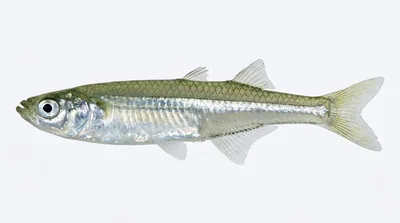
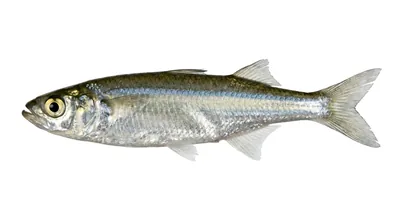
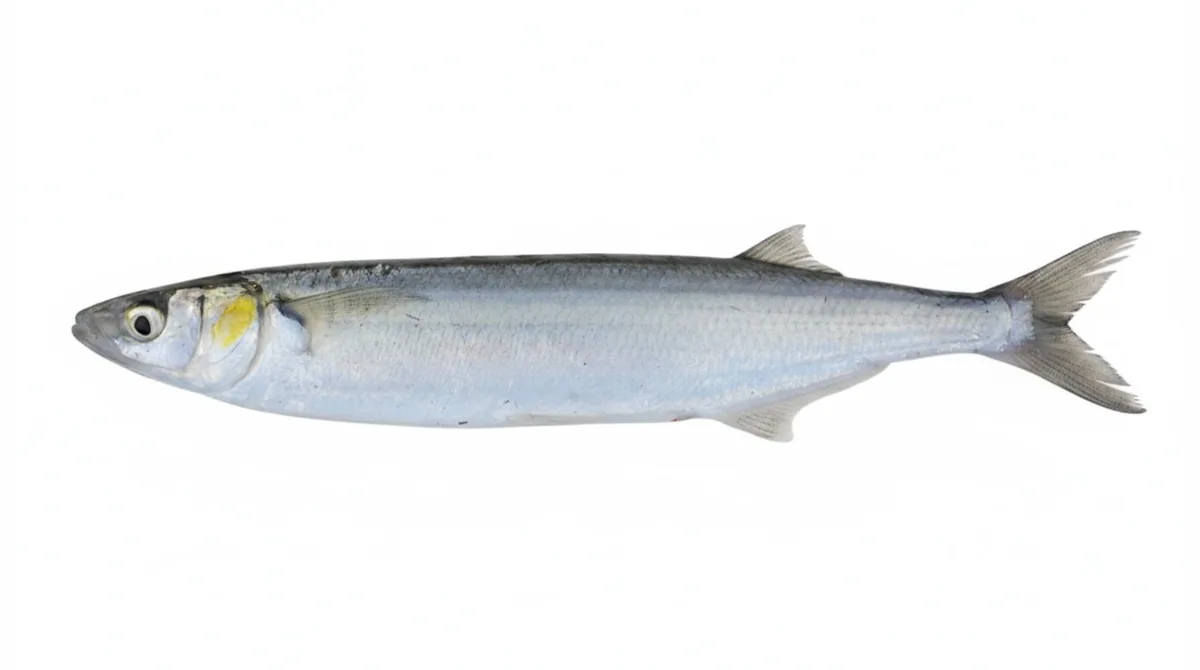
Atherinopsis californiensis, the jack silverside or jacksmelt, is a species of neotropical silverside native to the Pacific coast of North America from Oregon, United States to southern Baja California, Mexico. This species often grows to 49 cm (19 in), but specimens of 55 cm (22 in) in total length have been reported. It is silver throughout the body, with a grey dorsal pattern, and a light silver ventral-lateral, as well as a yellow spot present behind the eye, on the operculum. and is important commercially as a source of human food. It is the only known member of its genus. They are commonly confused with the Atherinops affinis, the topsmelt silverside.
Atherinopsis californiensis is a key element of Pacific coast marine ecosystems. This circumscription reveals its ability to adapt to changing environmental conditions across its distribution in different habitats. The diet and reproductive strategies of Jacksmelt are important to understanding its ecological role in these ecosystems. Additionally, it is recognized that this species has economic value and the need is for sustainable practices to maintain abundance. Conservation efforts to proactively maintain healthy populations of Atherinopsis californiensis that are not chipped, will be important due to continuing threats of overfishing and habitat degradation.
Habitat
Different habitats that provide food and protection from predators are all habitats that Jacksmelt thrives in. Estuaries where freshwater and saltwater meet; bay areas with plenty of food. Jacksmelt depend especially heavily on kelp forests for shelter and also as hunting grounds for a variety of prey. Kelp canopies provide refuge in otherwise dangerous structures from the larger predators while offering access to food: zooplankton and small fishes.
Juvenile Jacksmelt also live on sandy beaches before moving into deeper waters as they mature, along with other kelp forest residents listed earlier. Their development is critically dependent on this habitat transition, which enables them to access different food resources through different life stages. Diversity in habitats is available and important for the health and stability of Jacksmelt populations. Jacksmelt is able to take advantage of both marine and estuarine habitats to increase their chances of survival and reproduction.
Distribution
Atherinopsis californiensis, commonly known as Jacksmelt, distribution range consists of the Pacific coast from Yaquina Bay, Oregon, south to Bahía Magdalena, Baja California Sur, Mexico.
The adults occur in inshore areas, such as bays. They form schools. This species is a demersal spawners in inshore habitats, it is oviparous and the larvae are planktonic, living at the very surface of the water and feeding on phytoplankton. The eggs are attached to one another and to the substrate by adhesive filaments in the chorion.
This species is closely associated with coastal habitats and is frequently distributed in both marine and estuarine environments. Jacksmelt are most commonly found in shallow waters near sandy beaches and kelp forests, and Jacksmelt often school in large numbers which are easily seen during daytime. The ability of juveniles to adapt to a variety of salinity and environmental conditions is critical to survival as they move from fresh to saltwater habitats at different stages of life. Jacksmelt have the ability to thrive in a variety of environments and can exploit a wide ecological niche, and are a principal part of the coastal marine ecosystem.
Jacksmelt are not confined to open coastal areas and are frequently found in bays and estuaries if they contain food resources. Typically found no deeper than 29 metres (100 ft). The ecological flexibility of Jacksmelt and the significance of these habitats for their life cycle is best demonstrated by the presence of Jacksmelt in many estuaries. Jacksmelt grows and matures, shifting and adapting to its environment, moving along its distribution range.
Behaviour
The jacksmelt diet consists mostly of zooplankton, small live fish, and bottom invertebrates. Jacksmelt studies have shown omnivorous feeding habits, though Jacksmeltapes more towards carnivory. However, this dietary preference is influenced by the habitat of these fishes; for example, Jacksmelt in kelp forests tend to consume more small fish than do those in estuarine environments where zooplankton is more abundant. Their ability to adapt their feeding strategies to a changing set of resources is essential to their survival and growth in a changing ecological context. Furthermore, competition for food may affect the diet composition as well as the general health of coastal pelagic fish species.
Description from Wikipedia, available under CC BY-SA.
Where the jack silverside lives
Distribution data from GBIF (DOI: 10.15468/dl.8rzs8d).
Also known as
- Jacksmelt
- Ateryna zielona
- Pejerrey mocho
- 美洲似銀漢魚
Where to catch jack silverside
- Bristol Bay United States Bay · Alaska
- Columbia River at Astoria United States River · Oregon-Washington
- Monterey Bay United States Bay · California
- Puget Sound at Seattle United States Sound · Washington
- San Diego Bay United States Bay · California
- San Francisco Bay United States Bay · California