Fishing Calendar App
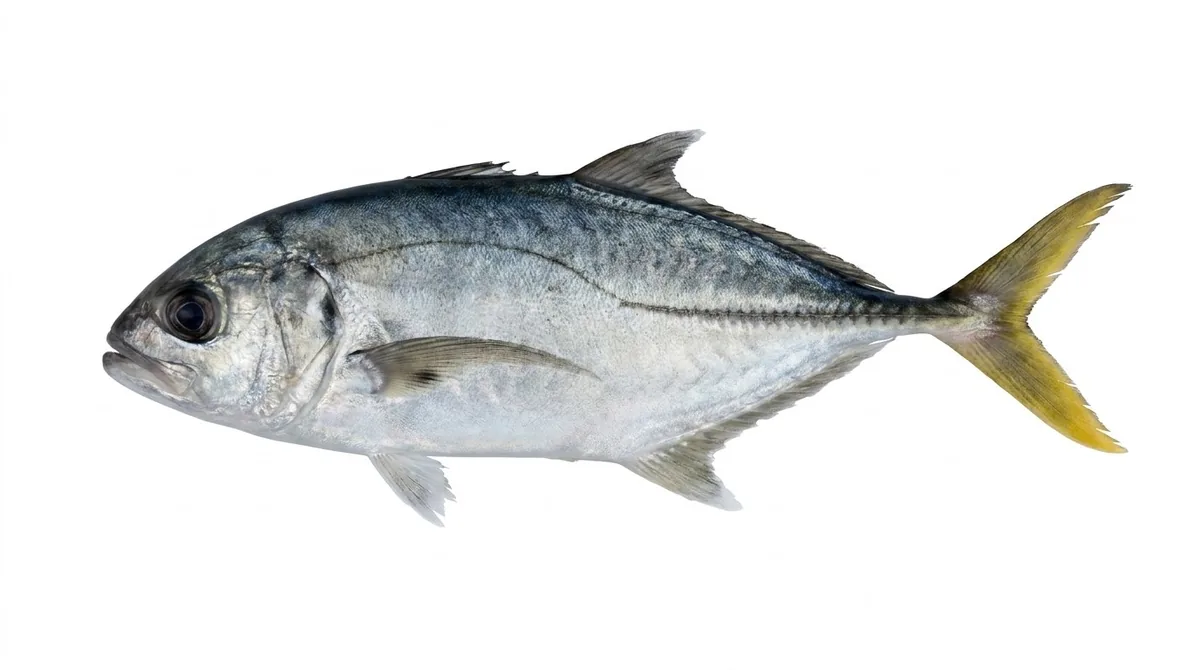
Horse-eye jack
Caranx latus
- Freshwater & Saltwater
- Least Concern
- Max length
- 101 cm
- Class
- Teleostei
- Order
- Carangiformes
- Family
- Carangidae
- Genus
- Caranx
- Atlantic, Southwest
- Atlantic, Western Central
- Europe - Inland waters
- North America - Inland waters
- South America - Inland waters
About the horse-eye jack
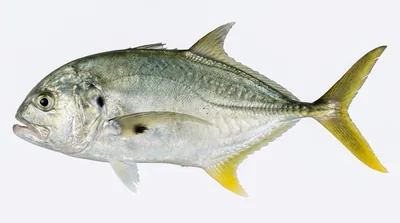
The horse-eye jack (Caranx latus), also known as the big-eye jack, is a game fish and minor commercial fish in the family Carangidae. Its appearance is similar to that of the crevalle jack, although the horse-eye jack's head is not as blunt. The horse-eye jack is known to feed on smaller fish and on many invertebrates, such as shrimp and crab.
Distribution
The horse-eye jack is commonly found in the subtropical Atlantic Ocean from Bermuda and the northern Gulf of Mexico and south to Rio de Janeiro. In the eastern Atlantic, it is found from St. Paul's Rocks to Ascension Island and, rarely, in the Gulf of Guinea.
It is a pelagic fish. It can be found on reefs and offshore oil rigs. The juvenile can be found closer to shore along sandy and muddy bottoms. The species may venture into brackish waters and can live in river mouths, but it is typically found in saltwater up to 140 m in depth.
The adult horse-eye jack commonly swims with others in a school, either as one species or mixed with crevalle jack. Sometimes it also swims as a pair with a member of a very different species, such as Halichoeres radiatus, a type of wrasse.
Description from Wikipedia, available under CC BY-SA.
Where the horse-eye jack lives
Distribution data from GBIF (DOI: 10.15468/dl.8rzs8d).
Also known as
- Jurel blanco
- Carangue gros-yeux
- Carangue mayole
- Большеглазый каранкс
- شاهگیش چشماسبی
- 黑眼鰺
- شيم عريض
Where to catch horse-eye jack
- Achensee Austria Lake · Tyrol
- Attersee Austria Lake · live river data
- Danube River at Vienna Austria River · Vienna
- Inn River at Innsbruck Austria River · live river data
- Neusiedler See Austria Lake · live river data
- Traunsee Austria Lake · live river data