Fishing Calendar App
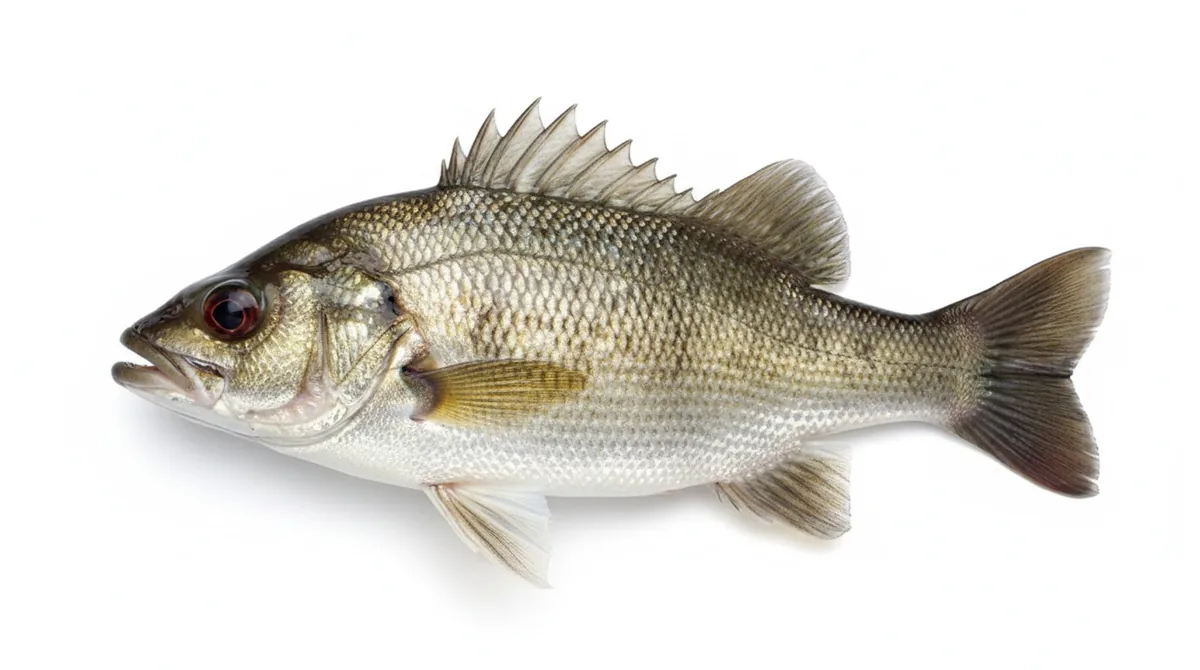
Australian bass
Percalates novemaculeatus
- Freshwater
- Least Concern
- Max length
- 60 cm
- Class
- Teleostei
- Order
- Centrarchiformes
- Family
- Percichthyidae
- Genus
- Percalates
- Oceania - Inland waters
About the australian bass
The Australian bass (Percalates novemaculeatus) is a small-to-medium-sized species of primarily freshwater (but estuarine spawning) ray-finned fish found in coastal rivers and streams along the east coast of Australia. A member of the genus Percalates from the order Centrarchiformes, the Australian bass is an important member of the native fish assemblages found in east coast river systems. It is a native predatory fish and an extremely popular game fish species among anglers. The species was simply called perch in most coastal rivers where it was caught until the 1960s, when the name "Australian bass" started to gain popularity.
Habitat
In the freshwater reaches of coastal rivers in the warmer months, Australian bass require reasonable quality, unsilted habitats with adequate native riparian vegetation and in-stream cover/habitat. Australian bass generally sit in cover during the day. However, they are fairly flexible about the type of cover used. Sunken timber ("snags"), undercut banks, boulders, shade under trees and bushes overhanging the water and thick weedbeds are all used as cover. Such cover does not need to be in deep water to be used; Australian bass are happy to use cover in water as shallow as 1 metre in depth.
Australian bass are strong swimmers at all sizes and can easily traverse rapids and fast-flowing water. However, they generally avoid sitting directly in currents to conserve energy. At night Australian bass display pelagic ("near-surface") behaviour and actively hunt prey in shallow water and at the water's surface.
When aggregated for spawning in the broad reaches of estuaries in winter, Australian bass are less cover oriented, and generally sit in deeper water.
Distribution
Australian bass are found in coastal rivers and streams from Wilsons Promontory in Victoria east and north along the eastern seaboard to the rivers and creeks of the Bundaberg region in central Queensland.
Australian bass are not found in the Murray-Darling system. Although the system is extensive, it terminates in a sequence of coastal lakes and lagoons and has only one shallow and changeable entrance to the Southern Ocean — features that appear to be incompatible with the estuarine breeding habits of Australian bass and other aspects of their life cycle.
Behaviour
Common items in the diet of Australian bass are: terrestrial insects, particularly cicadas
aquatic macroinvertebrates, particularly Trichoptera (caddisfly) larvae
crustaceans in the forms of freshwater shrimps and estuarine prawns
small fish, particularly flathead gudgeon (Philhypnodon grandiceps), which are common in their freshwater habitats.
However, Australian bass are fierce predatory fish and any small creature that swims across a bass pool such as (introduced) mice and native lizards or frogs are at risk of being attacked by a large Australian bass, and are regularly taken.
Description from Wikipedia, available under CC BY-SA.
Also known as
- Macquaria novemaculeata
- Percalates novemaculeata
- 九斑若鱸