Fishing Calendar App
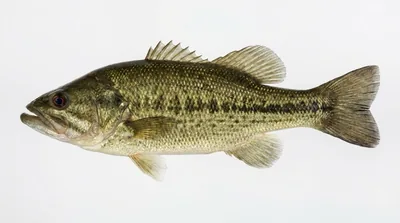
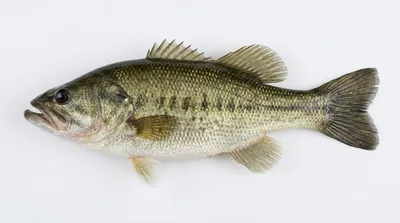
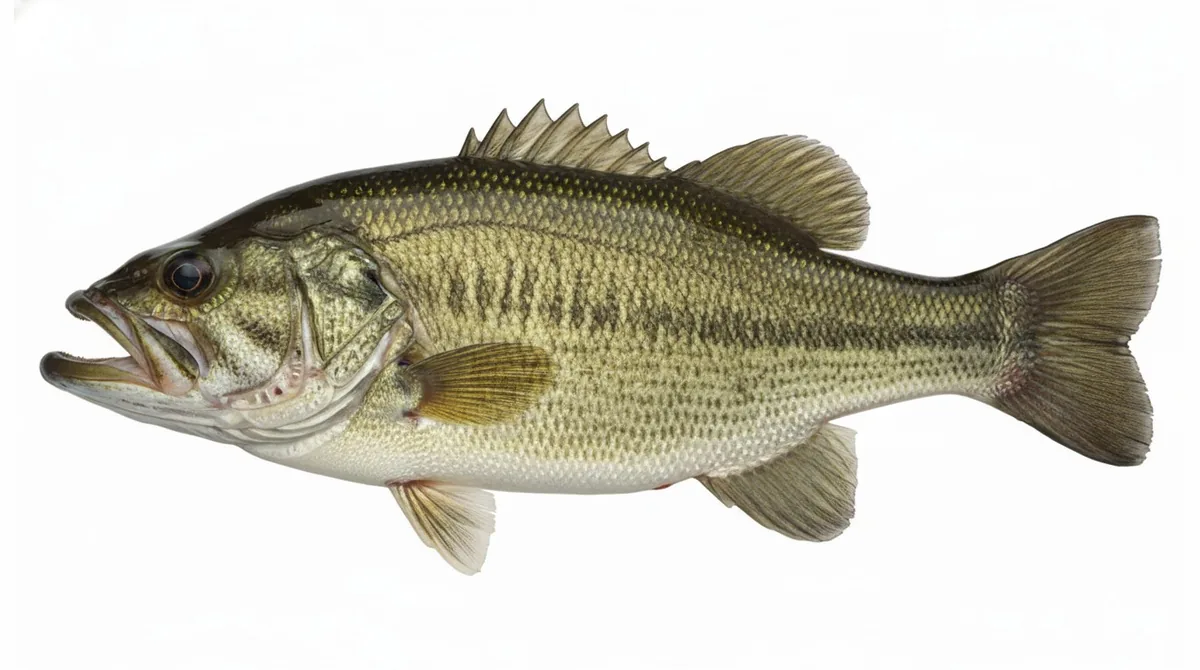
Largemouth bass
Micropterus nigricans
- Freshwater
- Least Concern
- Max length
- 97 cm
- Class
- Teleostei
- Order
- Centrarchiformes
- Family
- Centrarchidae
- Genus
- Micropterus
- Africa - Inland waters
- North America - Inland waters
- South America - Inland waters
- Antarctica - Inland waters
- Asia - Inland waters
- Europe - Inland waters
- Oceania - Inland waters
About the largemouth bass
The largemouth bass (Micropterus nigricans) is a carnivorous, freshwater, ray-finned fish in the Centrarchidae (sunfish) family, native to the eastern and central United States, southeastern Canada and northern Mexico. It is known by a variety of regional names, such as the widemouth bass, bigmouth bass, black bass, largie, potter's fish, Florida bass or Florida largemouth, green bass, bucketmouth bass, green trout, growler, Gilsdorf bass, Oswego bass, southern largemouth, northern largemouth, Alabama bass or Alabama largemouth, marsh bass, and swamp bass.
The largemouth bass, as it is known today, was first described by French naturalist Georges Cuvier in 1828. A 2022 study concluded that the correct scientific name for the Florida bass is Micropterus salmoides, while the largemouth bass is Micropterus nigricans. It is the largest species of the black bass, with a maximum recorded length of 29.5 inches (75 cm) and an unofficial weight of 25 pounds 1 ounce (11.4 kg). Reports from Cuba speculate bass as large as 13.5 kg (30 lb), where invasive largemouth thrive.
The largemouth bass is the state fish of Georgia and Mississippi, and the state freshwater fish of Florida and Alabama. It is a highly prized sport fish among anglers for their vigorous resistance when caught, and have been introduced to many regions due to their popularity in bass fishing and tolerance to urban streams. However, they have become an invasive species in some areas, causing the decline, displacement or extinction of native species through predation and competition.
Behaviour
Juvenile largemouth bass consumes mostly small bait fish, scuds, water fleas, copepods, small shrimp, and insects. Adults consume smaller fish (bluegill, banded killifish, minnows, juvenile bass), shad, worms, snails, crawfish, frogs, snakes, and salamanders. In larger lakes and reservoirs, adult bass occupy slightly deeper water than younger fish, and shift to a diet consisting almost entirely of smaller fish like shad, yellow perch, ciscoes, suckers, shiners, other cyprinids, freshwater silversides, and sunfish (such as bluegill and green sunfish). It also consumes younger members of larger fish species, such as catfish, trout, walleye, white bass, striped bass, and even smaller black bass. Among the crayfish species preyed upon include Faxonius difficilis, F. harrisonii, F. hartfieldi, and Procambarus clarkii. Prey items can be as large as 50% of the bass's body length or larger. Studies of prey utilization by largemouths show that in weedy waters, bass grow more slowly due to difficulty in acquiring prey. Less weed cover allows bass to more easily find and catch prey, but this consists of more open-water baitfish. With little or no cover, bass can devastate the prey population and starve or be stunted. Fisheries managers must consider these factors when designing regulations for specific bodies of water. Under overhead cover, such as overhanging banks, brush, or submerged structure, such as weedbeds, points, humps, ridges, and drop-offs, the largemouth bass uses its senses of hearing, sight, vibration, and smell to attack and seize its prey. Adult largemouth are generally apex predators within their habitat, but they are preyed upon by many animals while young, including great blue herons, larger bass, northern pike, walleye, muskellunge, yellow perch, channel catfish, northern water snakes, crappie, common carp, and American eels. Multiple species of kingfishers, bitterns, and other herons feed on this bass, as well. Both the young and adult largemouths are targeted by the bald eagle.
Notably in the Great Lakes region, Micropterus nigricans along with many other species of native fish have been known to prey upon the invasive round goby (Neogobius melanostomus). Remains of said fish have been found inside the stomachs of largemouth bass consistently. This feeding habit may impact the ecosystem positively, but more research must be conducted to verify this. It is illegal to use or possess live Neogobius melanostomus as bait in the Great Lakes region.
Description from Wikipedia, available under CC BY-SA.
Also known as
- Micropterus salmoides
- Achigan à grande bouche
- Forellenbarsch
- Bass wielkogębowy
- Öringabborre
- Achigã
- Lakseabbor
- Grootbekbaars
- Perca americana
- Okounek pstruhový
- Suursuu-forellahven
- Amerikar perka
- Isobassi
- Pisztrángsügér
- Kakap hijau
- Didžiažiotis upėtakinis ešerys
- Forelbaars
- Suurimustuahven
- Большеротый окунь
- 큰입배스
- オオクチバス
- Американски големоуст бибан
- خارماهی دهانبزرگ
- בס גדול-לוע
- Бас
- ปลากะพงปากกว้าง
- Окунь великоротий
- Cá vược miệng rộng
- 大口黑鱸
Where to catch largemouth bass
- Achensee Austria Lake · Tyrol
- Attersee Austria Lake · live river data
- Danube River at Vienna Austria River · Vienna
- Inn River at Innsbruck Austria River · live river data
- Neusiedler See Austria Lake · live river data
- Traunsee Austria Lake · live river data