Fishing Calendar App
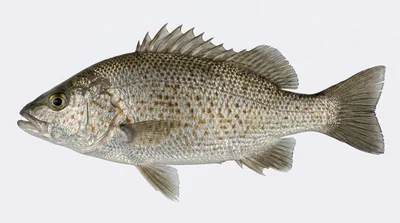
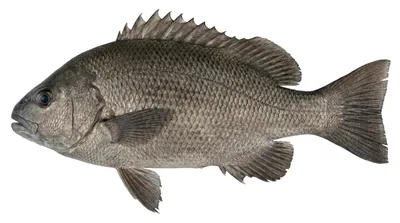
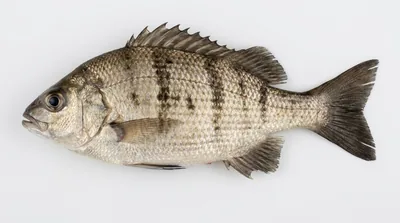
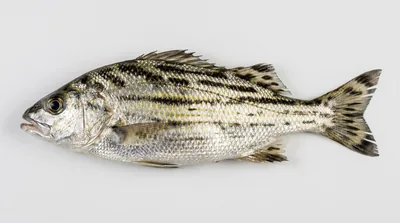
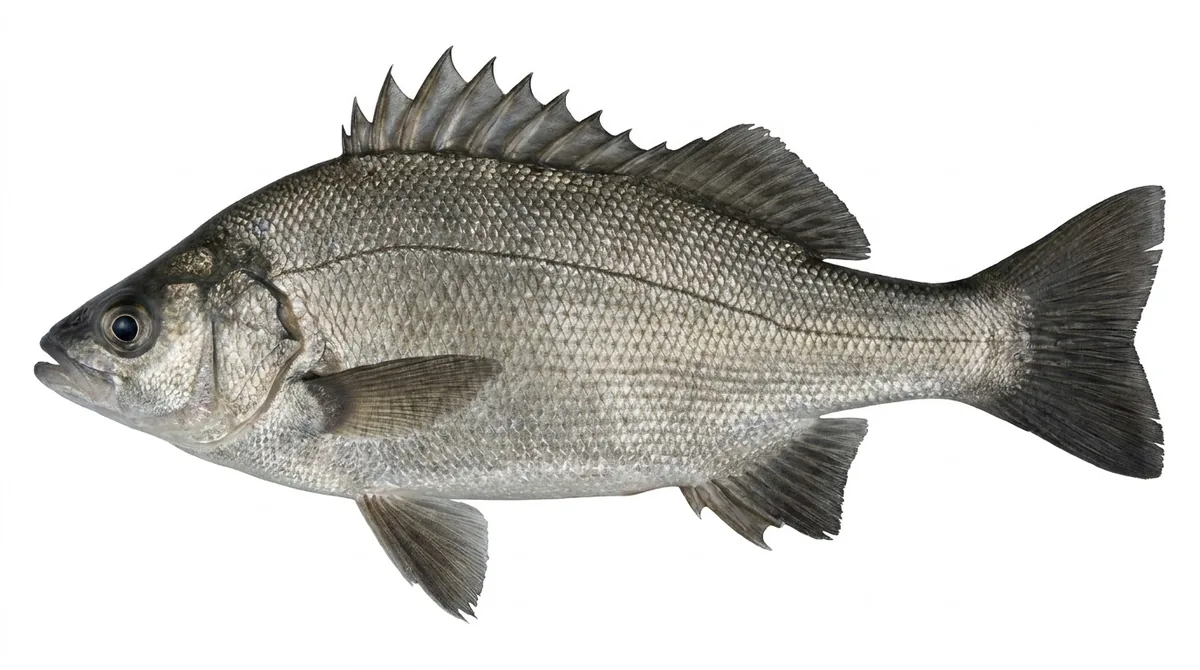
Silver perch
Bidyanus bidyanus
- Freshwater
- Endangered
- Max length
- 60 cm
- Class
- Teleostei
- Order
- Centrarchiformes
- Family
- Terapontidae
- Genus
- Bidyanus
- Oceania - Inland waters
About the silver perch
The silver perch (Bidyanus bidyanus) is a medium-sized freshwater ray-finned fish of the grunter family Terapontidae, endemic to the Murray–Darling basin in south-eastern Australia.
A threatened species, the Australian Government reassessed the silver perch's conservation status using IUCN Criteria in 2024. The result was a re-listing of the species as "Endangered" under the EPBC Act (Australia's national environmental law), in striking contrast to a 2019 IUCN assessment suggesting the species was merely 'Near Threatened'.
Distribution
Silver perch are schooling mid-water fish with a preference for flowing water. Though nowadays found in the lowland reaches of the Murray-Darling system, they originally had a strong presence in the slope and upland reaches of many Murray-Darling rivers as well. In particular, they had a strong presence in upland reaches of the Murrumbidgee River and were originally found as far upstream as Cooma. As recently as the early 1980s, long summer migrations into the upland reaches of the Murrumbidgee were an annual event. Unfortunately these migrations, and these populations, have now collapsed — silver perch are functionally extinct in the Murrumbidgee River now, as in most parts of their former range.
Silver perch have been introduced into the Lake Eyre basin in arid central Australia. These releases were not officially sanctioned and pose serious hybridisation risks to closely related species of terapontids endemic to the Lake Eyre system.
A translocated and reproducing population of silver perch exists in Cataract Dam on the Hawkesbury-Nepean system. This population was established by NSW Fisheries translocations of juvenile fish from drying billabongs in the lower Murrumbidgee River in approximately 1915–17. The Cataract Dam population is unique in being the only population of silver perch in an artificial impoundment that regularly and successfully recruits and is self-sustaining. The long established prohibition on fishing, the consequent absence of alien fish and their diseases, and the pristine nature of the dam, including a largely undisturbed, thickly-forested sandstone-dominated catchment and an abundance of coarse rubble and gravel in many inshore areas, where fertilised eggs can settle and not be smothered by silt, are all likely contributors to this unique situation.
Behaviour
Silver perch are opportunistic feeders, feeding on insect larvae, molluscs, annelids and algae. The importance of vegetative matter in the diet of silver perch is still debated. Silver perch appear primarily to be a low-order predator of small aquatic invertebrates, with occasional intakes of small fish and vegetative matter. In aquaria, silver perch are reported to take bloodworms readily.
Description from Wikipedia, available under CC BY-SA.
Where the silver perch lives
Distribution data from GBIF (DOI: 10.15468/dl.8rzs8d).
Also known as
- Bidyan
- Bidyan grunter
- Black bream
- Grunter
- Murray bream
- Murray perch
- Silver bream
- Trompetero plateado de Murray
- Hopeatiikeriahven
- Zilverbaars
- 銀鋸眶鯻