 Fishing Calendar App
Fishing Calendar for Lake Cerknica, Slovenia
An intermittent karst lake that floods each autumn and drains underground each summer, filling with pike, tench and carp whenever water levels allow, making timing essential for anglers who visit.
Stržen and Cerkniščica near Lake Cerknica right now
From the gauge at Dolenje Jezero · 24 Nov, 02:00 · Open on River map →
The nearest gauged waters to Lake Cerknica are the Stržen and the Cerkniščica. On 24 November 2026 at 02:00 the Stržen at Dolenje Jezero stood at 430 cm, which the gauging agency rates as high level, with the water at 6.4 °C.
The Stržen over the last 7 days
Readings every hour at Dolenje Jezero, the gauge nearest this spot. The shaded band is the gauge's usual range over the last 30 days.
Water level
Water temperature
Gauges near Lake Cerknica
3 official gauges within 25 km on the Stržen and the Cerkniščica, the nearest highlighted. Flow is coloured as the gauging agency rates it: Low Normal High
| Gauge | Flow | Level | Water | Last 7 days |
|---|---|---|---|---|
| Gorenje JezeroStržen 5 km away | — | 266 cm | 7.4 °C | |
| Dolenje JezeronearestStržen 0 km away | — | 430 cm | 6.4 °C | |
| Cerknica ICerkniščica 3 km away | 1.2 m³/s Normal | 200 cm | 5.6 °C |
Best fishing times in November 2026
| Date | Moon | Sunrise | Sunset | Major periods | Minor periods | Efficiency |
|---|---|---|---|---|---|---|
| Sun 01 | Waning gibbous | 06:42 | 16:49 | 04:31–06:31, 17:01–19:01 | 10:46–12:46 | 96% ●●●●● |
| Mon 02 | Last quarter | 06:43 | 16:47 | 05:25–07:25, 17:53–19:53 | 23:11–01:11, 11:39–13:39 | 91% ●●●●● |
| Tue 03 | Waning crescent | 06:45 | 16:46 | 06:15–08:15, 18:41–20:41 | 00:02–02:02, 12:28–14:28 | 57% ●●●○○ |
| Wed 04 | Waning crescent | 06:46 | 16:45 | 07:02–09:02, 19:26–21:26 | 00:49–02:49, 13:14–15:14 | 21% ●●○○○ |
| Thu 05 | Waning crescent | 06:48 | 16:43 | 07:46–09:46, 20:10–22:10 | 01:34–03:34, 13:58–15:58 | 11% ●○○○○ |
| Fri 06 | Waning crescent | 06:49 | 16:42 | 08:30–10:30, 20:54–22:54 | 02:18–04:18, 14:42–16:42 | 19% ●○○○○ |
| Sat 07 | Waning crescent | 06:50 | 16:41 | 09:14–11:14, 21:39–23:39 | 03:02–05:02, 15:26–17:26 | 56% ●●●○○ |
| Sun 08 | Waning crescent | 06:52 | 16:39 | 10:00–12:00, 22:25–00:25 | 03:47–05:47, 16:13–18:13 | 97% ●●●●● |
| Mon 09 | New moon | 06:53 | 16:38 | 10:47–12:47 | 04:34–06:34, 17:01–19:01 | 100% ●●●●● |
| Tue 10 | Waxing crescent | 06:55 | 16:37 | 23:10–01:10, 11:37–13:37 | 05:23–07:23, 17:50–19:50 | 82% ●●●●● |
| Wed 11 | Waxing crescent | 06:56 | 16:36 | 00:00–02:00, 12:28–14:28 | 06:14–08:14, 18:42–20:42 | 38% ●●○○○ |
| Thu 12 | Waxing crescent | 06:57 | 16:34 | 00:52–02:52, 13:19–15:19 | 07:05–09:05, 19:33–21:33 | 11% ●○○○○ |
| Fri 13 | Waxing crescent | 06:59 | 16:33 | 01:43–03:43, 14:10–16:10 | 07:57–09:57, 20:24–22:24 | 21% ●●○○○ |
| Sat 14 | Waxing crescent | 07:00 | 16:32 | 02:33–04:33, 14:59–16:59 | 08:46–10:46, 21:13–23:13 | 12% ●○○○○ |
| Sun 15 | Waxing crescent | 07:02 | 16:31 | 03:21–05:21, 15:46–17:46 | 09:34–11:34, 21:59–23:59 | 31% ●●○○○ |
| Mon 16 | Waxing crescent | 07:03 | 16:30 | 04:07–06:07, 16:31–18:31 | 10:19–12:19, 22:44–00:44 | 54% ●●●○○ |
| Tue 17 | First quarter | 07:04 | 16:29 | 04:51–06:51, 17:15–19:15 | 11:03–13:03 | 65% ●●●●○ |
| Wed 18 | Waxing gibbous | 07:06 | 16:28 | 05:34–07:34, 17:58–19:58 | 23:23–01:23, 11:46–13:46 | 54% ●●●○○ |
| Thu 19 | Waxing gibbous | 07:07 | 16:27 | 06:17–08:17, 18:41–20:41 | 00:05–02:05, 12:29–14:29 | 30% ●●○○○ |
| Fri 20 | Waxing gibbous | 07:08 | 16:26 | 07:01–09:01, 19:25–21:25 | 00:48–02:48, 13:13–15:13 | 12% ●○○○○ |
| Sat 21 | Waxing gibbous | 07:10 | 16:26 | 07:47–09:47, 20:13–22:13 | 01:34–03:34, 14:00–16:00 | 12% ●○○○○ |
| Sun 22 | Waxing gibbous | 07:11 | 16:25 | 08:37–10:37, 21:05–23:05 | 02:23–04:23, 14:51–16:51 | 45% ●●●○○ |
| Mon 23 | Waxing gibbous | 07:12 | 16:24 | 09:32–11:32, 22:03–00:03 | 03:16–05:16, 15:47–17:47 | 94% ●●●●● |
| Tue 24 | Full moon | 07:14 | 16:23 | 10:32–12:32 | 04:15–06:15, 16:49–18:49 | 100% ●●●●● |
| See efficiency and feeding times for every day in the Fishing Calendar app — get it for iOS or Android. | ||||||
| Wed 25 | Waning gibbous | 07:15 | 16:23 | ····· | ····· | Unlock · iOS / Android |
| Thu 26 | Waning gibbous | 07:16 | 16:22 | ····· | ····· | Unlock · iOS / Android |
| Fri 27 | Waning gibbous | 07:18 | 16:21 | ····· | ····· | Unlock · iOS / Android |
| Sat 28 | Waning gibbous | 07:19 | 16:21 | ····· | ····· | Unlock · iOS / Android |
| Sun 29 | Waning gibbous | 07:20 | 16:20 | ····· | ····· | Unlock · iOS / Android |
| Mon 30 | Waning gibbous | 07:21 | 16:20 | ····· | ····· | Unlock · iOS / Android |
Fish recorded around Lake Cerknica
Species recorded around Lake Cerknica and along the Stržen and the Cerkniščica, from GBIF occurrence ranges.
-
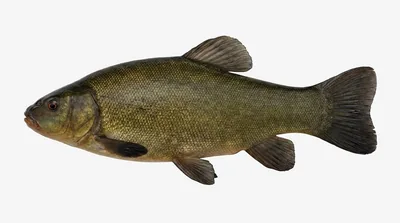 Tench
Tinca tinca
-
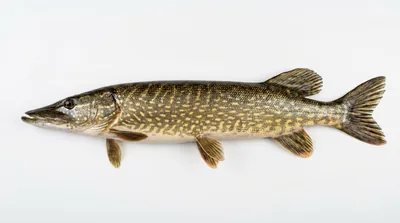 Northern pike
Esox lucius
-
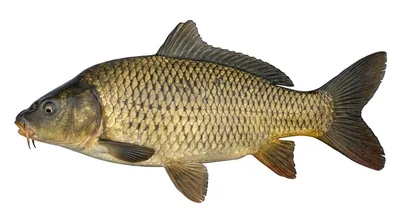 Common carp
Cyprinus carpio
-
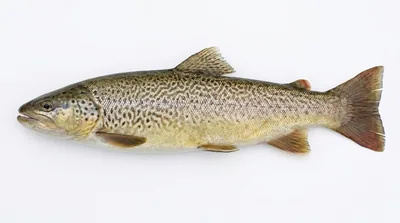 Salmo marmoratus
-
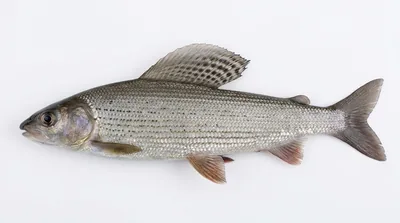 European grayling
Thymallus thymallus
-
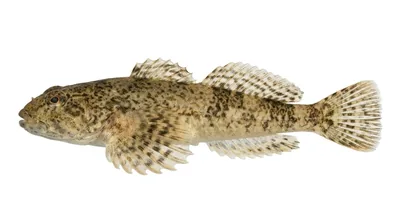 European bullhead
Cottus gobio
-
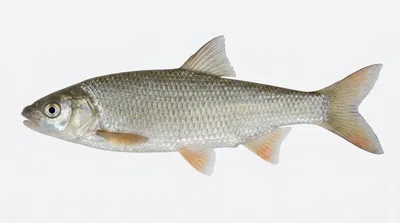 Common nase
Chondrostoma nasus
-
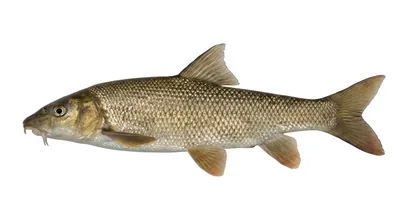 Common barbel
Barbus barbus
-
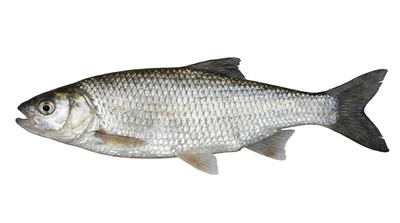 Common dace
Leuciscus leuciscus
-
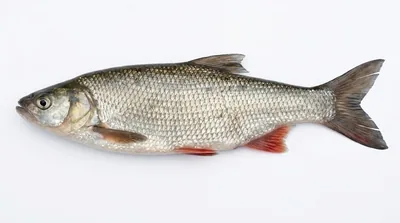 Asp
Leuciscus aspius
-
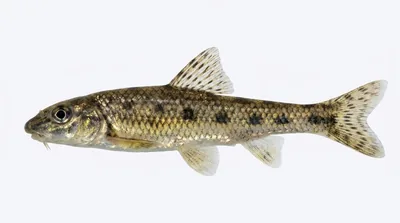 Gudgeon
Gobio gobio
-
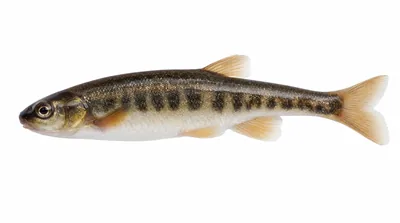 Minnow
Phoxinus phoxinus
Frequently asked questions
- Is the Stržen near Lake Cerknica high right now?
- Yes. On 24 November 2026 the gauging agency rated the level of the Stržen at Dolenje Jezero as high (430 cm). This page shows the current reading whenever you open it.
- What fish are around Lake Cerknica?
- Species recorded around Lake Cerknica and along the Stržen and the Cerkniščica include Tench, Northern pike, Common carp, Salmo marmoratus, European grayling, European bullhead. The list comes from GBIF occurrence ranges, so it shows where a species has been recorded rather than how common it is.
- Where can I check water levels near Lake Cerknica?
- 3 official gauges within 25 km of Lake Cerknica measure the Stržen and the Cerkniščica. Their latest readings are listed on this page and on the River map.
- When is the best time to fish at Lake Cerknica?
- The highest-rated day in the current month at Lake Cerknica is 09 November 2026, with a fishing efficiency of 100%. The strongest feeding window is around 10:47–12:47 local time.
- Do moon phases affect fishing at Lake Cerknica?
- Solunar theory links feeding activity to the moon's position. Major periods occur when the moon is overhead or underfoot, with shorter minor periods midway between them. New and full moons generally produce the strongest activity.
River data sources
Readings on this page come from official gauging stations: