Fishing Calendar App
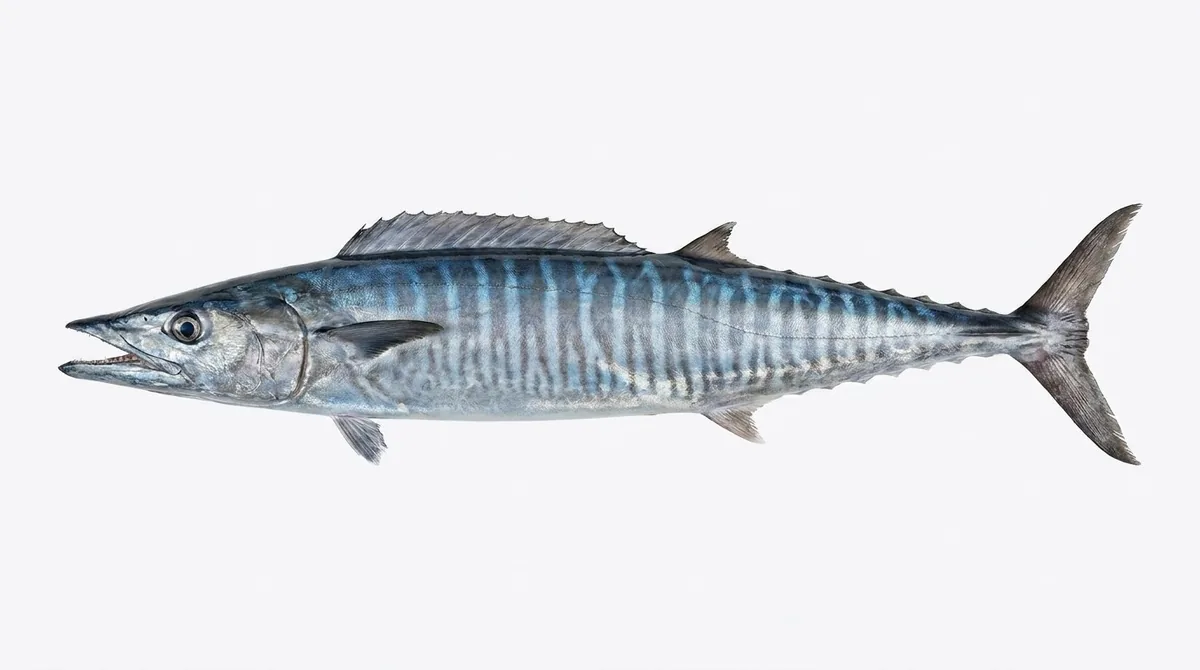
Wahoo
Acanthocybium solandri
- Saltwater
- Least Concern
- Max length
- 250 cm
- Class
- Teleostei
- Order
- Scombriformes
- Family
- Scombridae
- Genus
- Acanthocybium
- Atlantic, Eastern Central
- Atlantic, Northeast
- Atlantic, Northwest
- Atlantic, Western Central
- Indian Ocean, Western
- Pacific, Eastern Central
- Pacific, Southeast
- Pacific, Western Central
About the wahoo
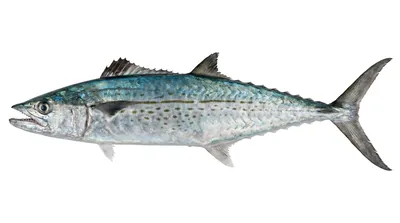
The wahoo (Acanthocybium solandri) is a scombrid fish found worldwide in tropical and subtropical seas. In Hawaii, the wahoo is known as ono. The species is sometimes called hoo in the United States. It is best known to sports fishermen, as its speed and high quality makes it a prized and valued game fish.
Habitat
Their diet is made up of other fish and squid. From a study surrounding the Western and Central Pacific Ocean (WCPO), an analysis of the stomach contents of wahoo indicated that their diet consists of 84.64% native fish, 14.26% cephalopods (e.g. cuttlefish), and 1.1% crustaceans. The gender ratio of wahoo favors females over males with ratios ranging from 1:0.9 (Puerto Rico) to 3.5:1 (North Carolina), which is common for most pelagic marine species.
Most wahoo taken from waters have a trematode parasite, the giant stomach worm (Hirudinella ventricosa), living in their stomachs, but it does not appear to harm the fish.
Distribution
Wahoo have a circumtropical distribution and are found in Atlantic, Pacific, and Indian Oceans. Population genomic research using RAD sequencing indicates that two weakly differentiated fish stocks are in the Atlantic and Indo-Pacific Oceans, likely with a considerable degree of migration and gene flow between these populations.
Description from Wikipedia, available under CC BY-SA.
Where the wahoo lives
Distribution data from GBIF (DOI: 10.15468/dl.8rzs8d).
Also known as
- Peto
- Thazard noir
- Solandra
- Tangigue
- Raitamakrilli
- Tenggiri laki
- Vahu
- Cá thu ngàng
- Tanguigui
- Ваху
- 꼬치삼치
- カマスサワラ
- Уаху
- ކުރު މަސް
- Tɔgbɔdzadu
- טונית מוארכת
- നെന്മീൻ
- ปลาวาฮู
- 沙氏刺鮁
- واهو
Where to catch wahoo
- Limfjord Denmark Fjord · North Jutland
- Skagen Coast Denmark Coast · North Jutland
- Helsinki Archipelago Finland Archipelago · Uusimaa
- Rügen (Baltic Coast) Germany Coast · Mecklenburg-Vorpommern
- Sylt (Wadden Sea) Germany Coast · Schleswig-Holstein
- Dingle Bay Ireland Bay · Munster