Fishing Calendar App
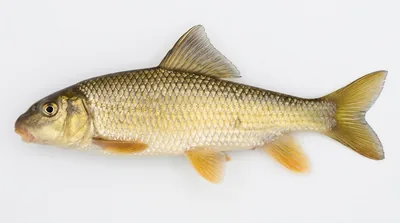
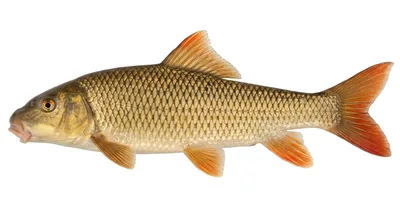
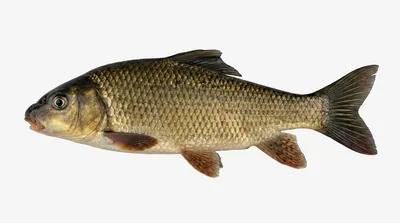
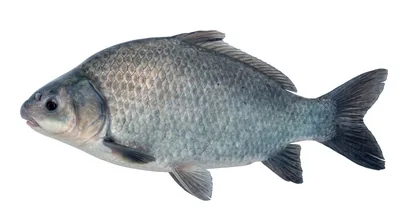
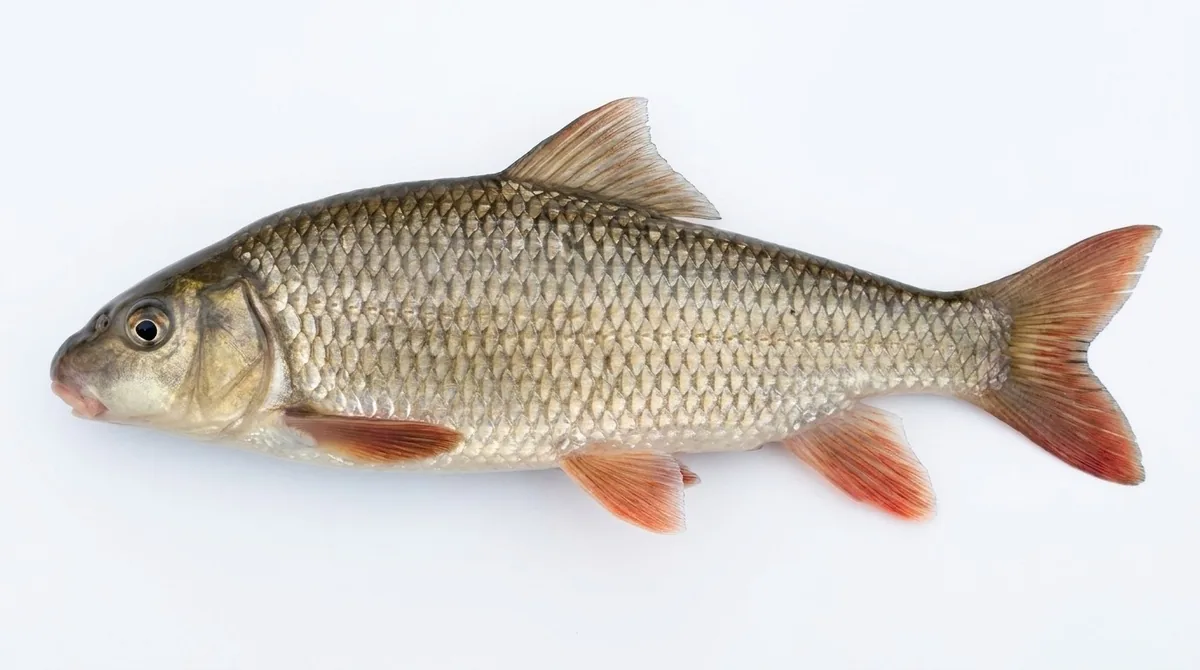
Shorthead redhorse
Moxostoma macrolepidotum
- Freshwater
- Least Concern
- Max length
- 75 cm
- Class
- Teleostei
- Order
- Cypriniformes
- Family
- Catostomidae
- Genus
- Moxostoma
- North America - Inland waters
- Asia - Inland waters
About the shorthead redhorse
The shorthead redhorse (Moxostoma macrolepidotum) is a wide-ranging species in North America. The shorthead redhorse is native to central and eastern North America. However, its range has expanded to include areas like the Hudson estuary and Grayson County, Texas. It inhabits small to large rivers and lakes, and lives in the benthic zone. Shorthead redhorse feed on benthic invertebrates and can consume plant material from the benthic environment that it inhabits. When it spawns, shorthead redhorse move into more shallow streams and spawn over gravel or rocky shoals. They will also spawn in springs with swift moving water. The shorthead redhorse is important to humans because it is a game fish. It is also important to anglers because of its role in the ecosystem; it is prey for larger game fish such as northern pike and muskellunge.
One source gives one of its English names as "common mullet". Others are redfin, redfin sucker, red sucker, redhorse mullet, shorthead mullet, mullet, bigscale sucker, common redhorse, northern redhorse, Des Moines Plunger.
Habitat
Shorthead redhorse have a wide habitat range. They live in fresh water and are found in streams, lakes and rivers. Shorthead redhorse can tolerate clear to cloudy water and likes loose substrate like gravel and sand. These fish are benthic feeders that like to feed in riffles and rifle margins. During a study done in Illinois by Sule et al., they found that "shorthead redhorse consumed items from approximately 60 food categories, primarily invertebrate taxa". Twenty-four to sixty-eight percent of their diet was unidentified when stomach contents were analyzed. Also found, 21–50% of the unidentified matter, or 13% of their total diet, was organic matter. Shorthead redhorse eat the most insects out of all the fish in the sucker family. They can also eat microcrustacea and plant matter. Predators of shorthead redhorse vary depending on size. Juveniles can be eaten by northern pike, walleyes, and smallmouth bass. Adult or larger shorthead redhorse are eaten by northern pike and muskellunge. The shorthead redhorse does not actively compete for food. Because of their wide range of prey and eating the most vertebrates of all the suckers, they do not have a competitor. Humans impact shorthead redhorse habitat. The construction of dams blocked free flowing rivers like the Mississippi in which they live, disrupting their spawning migration routes. Shorthead redhorse are killed easily by pollutants in the water. "The upstream migratory range of shorthead redhorse in a Maryland river decreased due to an increase in chlorinated sewage outfalls". Factory pollutants are dumped into streams or rivers and will settle onto the bottom. Because such a large portion of the shorthead redhorse's diet is sediment, it ingests high concentrations of the chemicals and can die.
Distribution
Historically, the shorthead redhorse is native to North America. Its native range includes the Great Lakes, Hudson Bay, Mississippi River, and Saint Lawrence River basins. They ranged across from Quebec to Alberta and as far south as northern Alabama and Oklahoma. Shorthead redhorse also originally occupied the Atlantic Slope drainages, ranging from the Hudson River in New York to the Santee River in South Carolina. When the Tennessee Valley Authority started building dams in the 1930s in an attempt to create power, the dams blocked different fish such as striped bass, from moving upstream to their spawning ranges. While some fish ranges have decreased since the construction of the dams, the shorthead redhorse's range has expanded. The shorthead redhorse is a "habitat generalist near the core of its range," so it can tolerate disturbance better than other related redhorse species such as the river redhorse, M. carinatum. Shorthead redhorse can now be found in the tidal zones of the Hudson River. They are believed to have invaded the Hudson by way of the Mohawk River and have established themselves in the Hudson estuary. Other areas they have been found in include the Embarras River system in Illinois and the Red River below Lake Texoma dam in Grayson County, Texas.
Description from Wikipedia, available under CC BY-SA.
Where the shorthead redhorse lives
Distribution data from GBIF (DOI: 10.15468/dl.8rzs8d).
Also known as
- Chevalier rouge
- شورثيد ريدهورس
- 大鱗吸口魚
Where to catch shorthead redhorse
- Arkansas River at Salida United States River · live river data
- Cape Fear River United States River · North Carolina
- Green River (Flaming Gorge) United States River · live river data
- Kenai River United States River · Alaska
- Kentucky Lake United States Reservoir · Kentucky-Tennessee
- Lake Champlain United States Lake · live river data