Fishing Calendar App
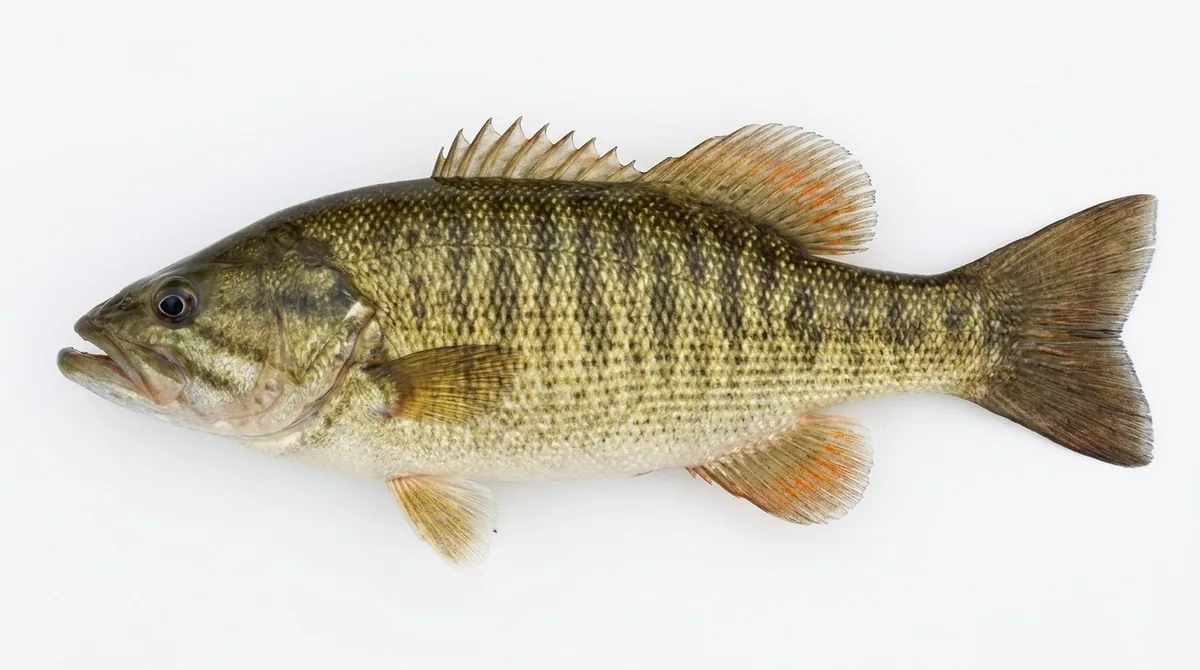
Shoal bass
Micropterus cataractae
- Freshwater
- Near Threatened
- Max length
- 61 cm
- Class
- Teleostei
- Order
- Centrarchiformes
- Family
- Centrarchidae
- Genus
- Micropterus
- North America - Inland waters
About the shoal bass
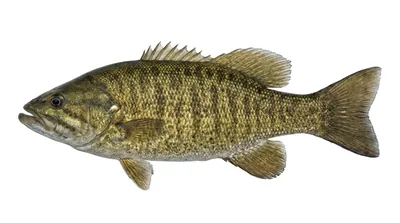
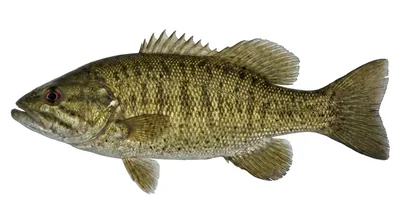
The shoal bass (Micropterus cataractae) is a species of freshwater fish in the sunfish family (Centrarchidae) of order Centrarchiformes. One of the black basses, it is native to waters in Florida and Georgia. It is also occasionally found in rivers and streams of East Alabama where it has been declared an endangered species and cannot legally be kept if caught by fishermen. Of typical size for a black bass, M. cataractae reaches a maximum recorded length of 24 inches (61 cm) and a maximum published weight of 8 pounds, 12 ounces.
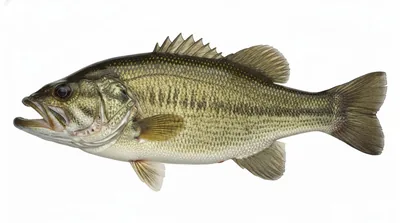
Only described for the first time in 1999, ichthyologists are still expanding what is known about the species. The shoal bass is often confused with the redeye bass, due to its red-tinted eyes. It is also often confused with the smallmouth bass, due to its faint vertical stripes along the side of its body.
Distribution
The shoal bass is becoming increasingly uncommon in the Apalachicola and Chipola rivers because so few shoals exist and competition with non-native spotted bass has increased. It is also known in the Chattahoochee River drainage; and is most plentiful in the relatively undammed Flint River of Georgia, as well as lakes such as Blackshear and West Point. Shoal bass are closely associated with rock shoals and are uncommon in other habitat due to their unique spawning requirements.
The conservation status of shoal bass is vulnerable throughout its range. Good fishing still exists in Georgia's Flint River, but anglers are encouraged to catch and release. Conversely, anglers are urged to keep all spotted bass caught on the Flint River because of its competition with and potential for hybridizing with the shoal bass.
Behaviour
Shoal bass spawn in coarse gravel at the heads of creek pools in April and May, to early June. They prefer a spawning temperature of 64 to 79 °F (18 to 26 °C). Like the largemouth, the male prepares the nest and guards the eggs and fry.
Shoal bass feed mainly on aquatic insects on the surface. They also feed on larval insects, crayfish and fish. Shoal bass grow much faster than redeye bass.
Description from Wikipedia, available under CC BY-SA.
Where the shoal bass lives
Distribution data from GBIF (DOI: 10.15468/dl.8rzs8d).
Also known as
- 淺灘黑鱸
Where to catch shoal bass
- Arkansas River at Salida United States River · live river data
- Cape Fear River United States River · North Carolina
- Green River (Flaming Gorge) United States River · live river data
- Kenai River United States River · Alaska
- Kentucky Lake United States Reservoir · Kentucky-Tennessee
- Lake Champlain United States Lake · live river data