Fishing Calendar App
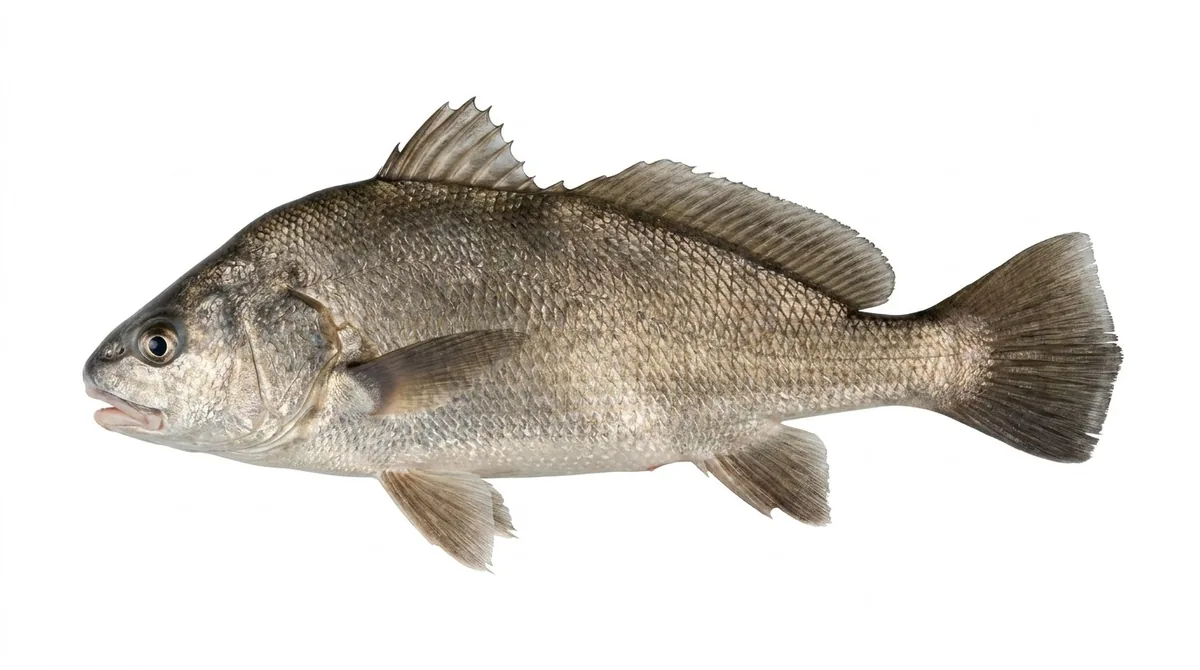
Freshwater drum
Aplodinotus grunniens
- Freshwater
- Least Concern
- Max length
- 76 cm
- Class
- Teleostei
- Order
- Eupercaria incertae sedis
- Family
- Sciaenidae
- Genus
- Aplodinotus
- North America - Inland waters
- Asia - Inland waters
About the freshwater drum
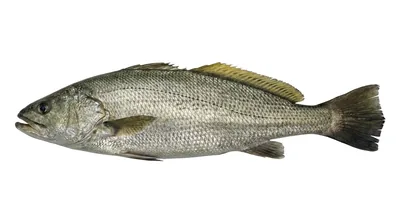
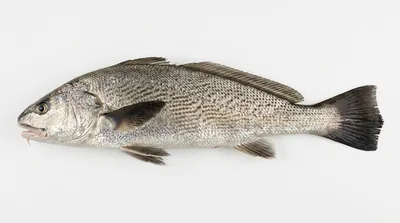
The freshwater drum, Aplodinotus grunniens, is a fish endemic to North and Central America. It is the only species in the genus Aplodinotus, and is a member of the family Sciaenidae. It is the only North American member of the group that inhabits freshwater for its entire life. Its generic name, Aplodinotus, comes from Greek meaning "single back", and the specific epithet, grunniens, comes from a Latin word meaning "grunting". It is given to it because of the grunting noise that mature males make. This noise comes from a special set of muscles within the body cavity that vibrate against the swim bladder. The purpose of the grunting is unknown, but due to it being present in only mature males and during the spawning season, it is assumed to be linked to spawning.
The freshwater drum is also called Russell fish, shepherd's pie, gray bass, Gasper goo, Gaspergou, gou, grunt, grunter, grinder, gooble gobble, and croaker. It is commonly known as sheephead and sunfish in parts of Canada, and the United States.
Habitat
The freshwater drum prefers clear water, but it is tolerant of turbid and murky water. They prefer the bottom to be clean sand and gravel substrates.
The diet of the freshwater drum is generally benthic and composed of macroinvertebrates (mainly aquatic insect larvae and bivalve mussels), as well as small fish in certain ecosystems. Freshwater drum show distinct seasonal differences in their diet. In April and May, the drum feeds on dipterans. During these months, dipterans make up about 50 percent of the freshwater drum's diet. In August through November, they tend to eat fish (which are primarily young-of-the-year Gizzard shad). The percentage of fish in their diet at this time ranges from 52 to 94 percent. Other items in the drum's diet are mollusks and crayfish.
The freshwater drum competes with several organisms. During its early stages in Lake Erie, it has been shown to compete with yellow perch, the trout-perch, and the emerald shiner. During its adult lifetime, it competes with yellow perch and silver chub in deep water, and competes with black bass in the shoal areas. Predators on drum include humans and other fish. During its first year, the freshwater drum serves as a forage fish for many species of predatory fish. These include smallmouth bass, walleye, and many other piscivores. After its first year, the primary predators on freshwater drum are humans. The drum is an important commercial crop on the Mississippi River, but in other areas it constitutes only a small portion of the commercial catch. Consistent with other sciaenids, freshwater drum are strongly nocturnal with the bulk of most catches being derived from night angling/sampling. Commercial fisheries are present for this species, although market price tends to be quite low. Thus, many freshwater drum are harvested as bycatch from targeted higher-value species.
There has been some research on the freshwater drum's impact on the invasive zebra mussel in northern lakes and rivers. Zebra mussels are consumed by freshwater drum once they reach a length of 25 cm (9.8 in), but drum under 35 cm (14 in) in length only eat small mussels and reject the larger ones. The fish larger than 35 cm (14 in) exhibit less selectivity and consume mussels relative to their availability in lakes. These larger fish are not restricted by their ability to crush zebra mussels, but they are restricted by the size of the clumps that they can remove. The drums' eating of zebra mussels contributes to a high mussel mortality, but not enough to have an impact on their spread, or control the population.
Distribution
Freshwater drum are the only North American member of their family to exclusively inhabit freshwater (freshwater family members in genera Pachypops, Pachyurus, Petilipinnis and Plagioscion are from South America, while Boesemania is Asian). Their great distribution range goes as far north as the Hudson Bay, and reaches as far south as Guatemala. Their longitudinal distribution goes as far east as the eastern Appalachians and stretches as far west into Texas, Kansas, and Oklahoma. Freshwater drum are considered to be one of the most wide-ranging species in North America.
Description from Wikipedia, available under CC BY-SA.
Where the freshwater drum lives
Distribution data from GBIF (DOI: 10.15468/dl.8rzs8d).
Also known as
- Malachigan
- Süßwassertrommler
- Flodtrumfisk
- Roncador de agua dulce
- Corball d'aigua dolça
- 淡水石首魚
Where to catch freshwater drum
- Arkansas River at Salida United States River · live river data
- Cape Fear River United States River · North Carolina
- Green River (Flaming Gorge) United States River · live river data
- Kenai River United States River · Alaska
- Kentucky Lake United States Reservoir · Kentucky-Tennessee
- Lake Champlain United States Lake · live river data