Fishing Calendar App
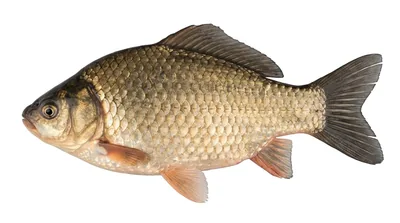
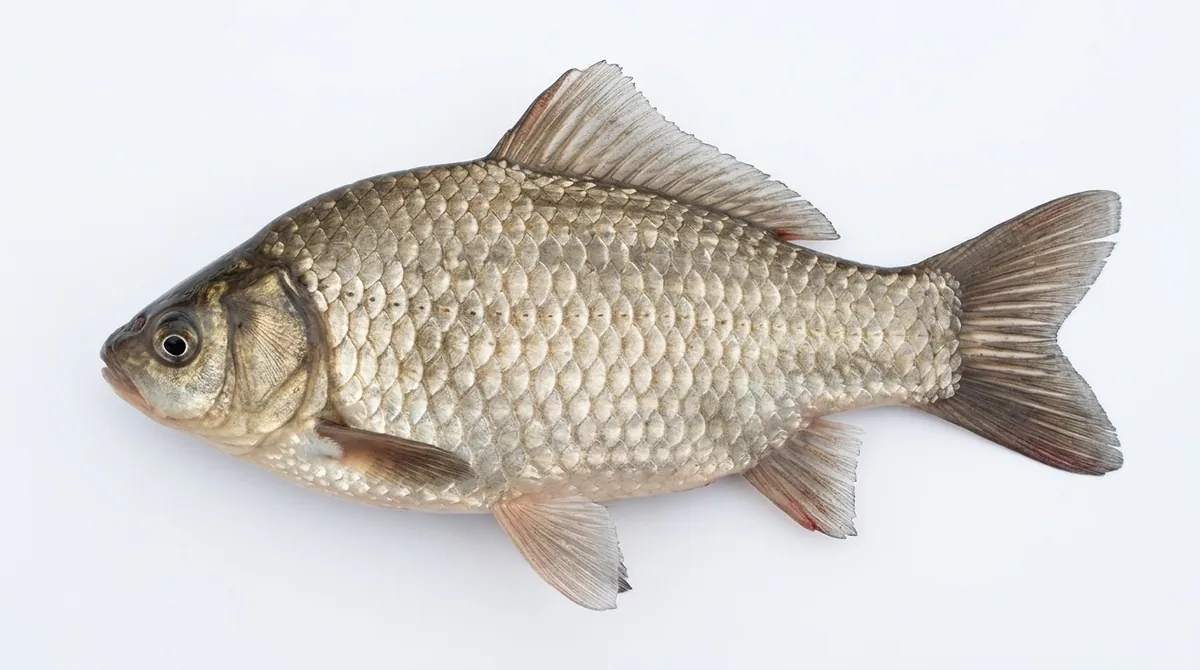
Prussian carp
Carassius gibelio
- Freshwater & Saltwater
- Max length
- 45 cm
- Class
- Teleostei
- Order
- Cypriniformes
- Family
- Cyprinidae
- Genus
- Carassius
- Asia - Inland waters
- Atlantic, Northeast
- Europe - Inland waters
- North America - Inland waters
- Pacific, Northwest
About the prussian carp
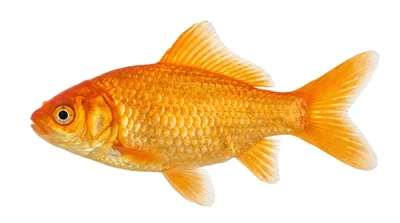
The Prussian carp, silver Prussian carp or Gibel carp (Carassius gibelio) is a cyprinid of the genus Carassius in the subfamily Cyprininae, which includes other fish such as the Crucian carp, goldfish, and barbs. It is medium-sized when fully-grown, and does not exceed a weight of 3 kilograms (6.6 lb) and a length of 45 centimetres (18 in). They are usually silver, although other color variations exist. They are omnivorous and feed on plankton, invertebrates, plant material and detritus. Originally from Siberia or central Europe, they have been introduced to and are now inhabiting lakes, ponds, and slow-moving rivers throughout Europe, North America, and Asia.
Prussian carps are a highly invasive fish species in areas outside their native range. They reproduce and spread rapidly. In 2020, scientists demonstrated that a small proportion of fertilized Prussian carp eggs ingested by waterfowl survive passing through the digestive tract and hatch after being retrieved from the feces. Birds exhibit strong preference for fish eggs, while cyprinids produce hundreds of thousands of eggs at a single spawning event. These data indicate that despite the low proportion of eggs surviving the digestive tract of birds, endozoochory might provide a potentially overlooked dispersal mechanism of Prussian carps. If proven under natural circumstances, endozoochorous dispersal of invasive fish could be a strong conservation concern for freshwater biodiversity.
Prussian carp are capable of gynogenesis, meaning sperm is required to fertilize their eggs, but the male gamete does not contribute any DNA to the embryo. Females lay eggs and then "steal" sperm from related species. In other words, they are able to reproduce from unfertilized egg.
Description from Wikipedia, available under CC BY-SA.
Where the prussian carp lives
Distribution data from GBIF (DOI: 10.15468/dl.8rzs8d).
Also known as
- Srebrni koreselj
- Giebel
- Karaś srebrzysty
- Silverruda
- Damkaruss
- Carassin argenté
- Gümüşü daban balıq
- Karas stříbřitý
- Hõbekoger
- Hopearuutana
- Hõpõkogõr
- Ezüstkárász
- Sidabrinis karosas
- Sudrabkarūsa
- Kap Prusia
- Caras
- Prusya sazanı
- Babuška
- Серебряный карась
- Карась серебряный
- ギベリオブナ
- دوع صيني
- كاراسيوس جيبيليو
- کاراسسیوس قیبلیو
- Сребриста каракуда
- کپور پروسی
- Արծաթափայլ կարաս
- Бозша мөңке
- Пруски крап
- Мөнгөлөг хэлтэг
- Ши карас
- Бабушка
- Көмеш табан балык
- Карась сріблястий
- Cá giếc Gibel
- 银鲫
Where to catch prussian carp
- Achensee Austria Lake · Tyrol
- Attersee Austria Lake · live river data
- Danube River at Vienna Austria River · Vienna
- Inn River at Innsbruck Austria River · live river data
- Neusiedler See Austria Lake · live river data
- Traunsee Austria Lake · live river data