Fishing Calendar App
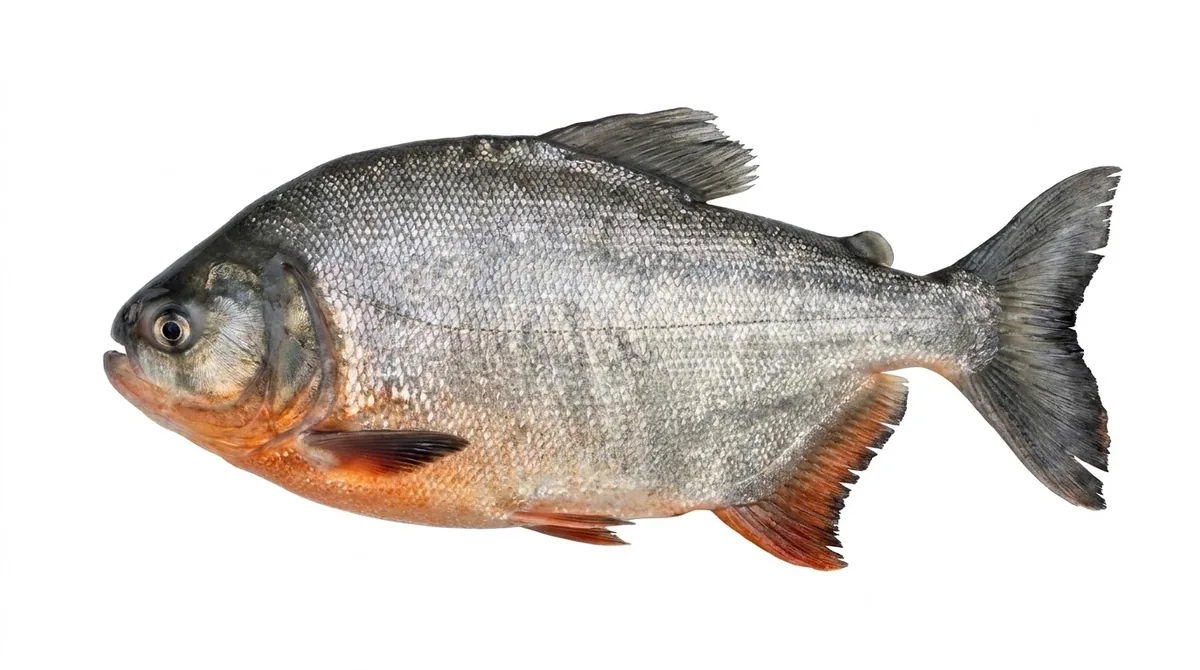
Piaractus brachypomus
- Freshwater
- Least Concern
- Max length
- 88 cm
- Class
- Teleostei
- Order
- Characiformes
- Family
- Serrasalmidae
- Genus
- Piaractus
- North America - Inland waters
- South America - Inland waters
- Asia - Inland waters
About the piaractus brachypomus
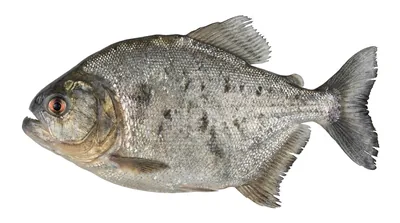
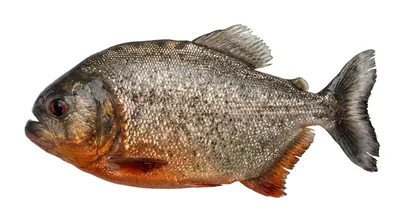
Piaractus brachypomus also known as the red-bellied Pacu or pirapitinga, is a large species of pacu, a close relative of piranhas and silver dollars, in the serrasalmid family. It is native to the Amazon basin in tropical South America, but it formerly included populations in the Orinoco, which was described in 2019 as a separate species, P. orinoquensis. Additionally, P. brachypomus is widely farmed and has been introduced to other regions. In South Florida they are invasive in rivers, canals or lakes.
As with a number of other closely related species, P. brachypomus is often referred to as the red-bellied pacu in reference to the appearance of the juveniles. This has resulted in a great deal of confusion about the nature and needs of all the species involved, with the reputation and requirements of one frequently being wrongly attributed to the others.
Habitat
In general, its behavior resembles that of the closely related tambaqui (Colossoma macropomum). It is migratory, but the pattern is poorly understood. Spawning occurs at the beginning of the flood season between November and February. Larvae of the Red-Bellied Pacu are found in whitewater rivers, but adults mainly live in flooded forests and floodplains of various river types, including those of both nutrient-rich and nutrient-poor. Unlike the tambaqui, the Red-bellied pacu also occurs in the headwaters of nutrient-poor rivers (not just in the lower sections).
It mainly feeds on fruits, seeds, and nuts, but it is opportunistic and will also take zooplankton, insects, crustaceans and small fish, especially in the dry season. In general, more seeds are able to pass undamaged through the red-bellied pacu than the tambaqui, meaning that the former is overall a more efficient seed disperser.
Description from Wikipedia, available under CC BY-SA.
Where the piaractus brachypomus lives
Distribution data from GBIF (DOI: 10.15468/dl.8rzs8d).
Also known as
- Pirapitinga
- Paku
- Pacu Perut Merah
- Qizil paku
- 붉은배파쿠
- Красный паку
- পিরাপিটিংগা
- پاکوی شکمقرمز
- פאקו אדום בטן
- Якшар паку
- ปลาคู้แดง
- 短蓋肥脂鯉
Where to catch piaractus brachypomus
- Arkansas River at Salida United States River · live river data
- Cape Fear River United States River · North Carolina
- Green River (Flaming Gorge) United States River · live river data
- Kenai River United States River · Alaska
- Kentucky Lake United States Reservoir · Kentucky-Tennessee
- Lake Champlain United States Lake · live river data