Fishing Calendar App
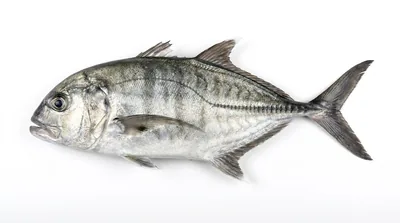
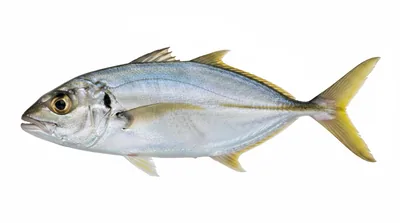
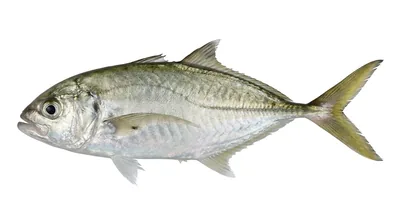
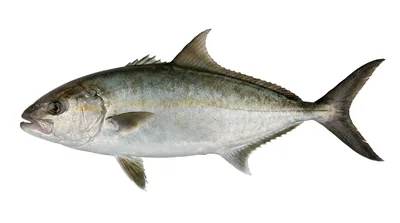
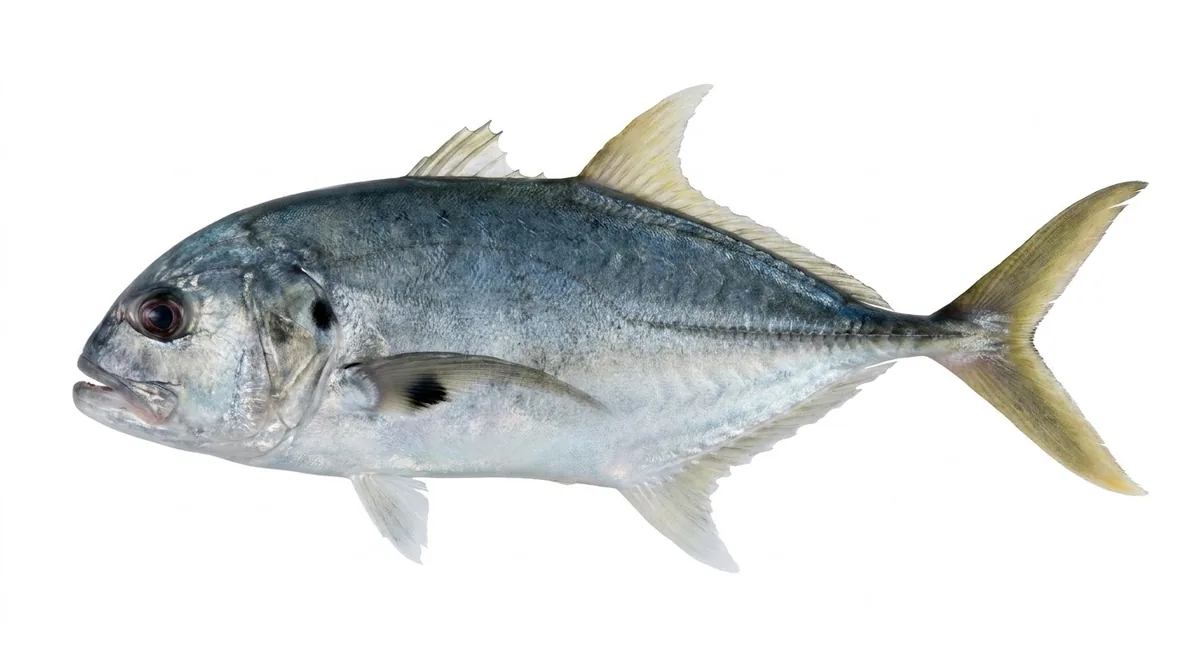
Pacific crevalle jack
Caranx caninus
- Saltwater
- Least Concern
- Max length
- 101 cm
- Class
- Teleostei
- Order
- Carangiformes
- Family
- Carangidae
- Genus
- Caranx
- Pacific, Eastern Central
- Pacific, Southeast
About the pacific crevalle jack
The Pacific crevalle jack (Caranx caninus) is a species of large marine fish classified in the jack family Carangidae. The species is distributed through the tropical waters of the eastern Pacific Ocean from California in the north to Peru in the south, including several offshore islands. The species is best identified by its deep body and mostly unscaled breast, as well as other more detailed anatomical features. The species is known to grow to a maximum length of 101 cm and a weight of 19.7 kg. Disagreement on the status of the species has been significant in the scientific literature, with many claiming it to be conspecific with or subspecific to the Atlantic Caranx hippos (crevalle jack). The most recent review of the crevalle jacks strongly concluded it to be a separate species based on the development of hyperostosis and fin colouring. It is predominantly a schooling inshore species, inhabiting sandy and rocky substrates, although larger individuals are occasionally found living pelagically to depths of 350 m. The Pacific crevalle jack is a fast-swimming predator, taking a variety of fish, crustaceans, and other small invertebrates. Spawning is thought to occur year-round, although peaks occur during November and May. The Pacific crevalle jack is an important species to commercial fisheries, with data available from Colima in Mexico indicating it accounts for up to 15% of the entire yearly catch. Pacific crevalle jack are highly rated gamefish, taken by both bait and a variety of lures, but are considered relatively poor quality food.
Distribution
The Pacific crevalle jack inhabits the tropical to subtropical waters of the eastern Pacific Ocean. The species ranges along the western American coastline from Lobos de Tierra Island, Peru in the south and north to San Diego Bay, California. The species is generally rare north of the Gulf of California, however El Nino events which bring warm tropical waters further north than usual transport Pacific crevalle jack and other species beyond their normal range. All occurrences of the species in San Diego Bay have been attributed El Nino events in that year. The species is also known from several offshore Pacific islands including the Galápagos, Malpelo, Cocos, and Revillagigedo Islands.
The Pacific crevalle jack is most common in coastal regions, although is occasionally found in more pelagic settings, with the species not known to live deeper than 350 m. In coastal waters the species prefers sandy and rocky substrates, including protected bays, lagoons and harbours, where large schools of the species form. Larger individuals are often solitary, and living in deeper offshore environments. Pacific crevalle jack are also common in estuaries, usually as juveniles which preferentially inhabit these environments, but also as adults that make their way into brackish waters and tidal streams. Juveniles are known to penetrate well upstream, indicating a wide salinity tolerance.
Description from Wikipedia, available under CC BY-SA.
Where the pacific crevalle jack lives
Distribution data from GBIF (DOI: 10.15468/dl.8rzs8d).
Also known as
- Jurel toro
- شيم كلبي
- شيم كلبى
- 犬鰺