Fishing Calendar App
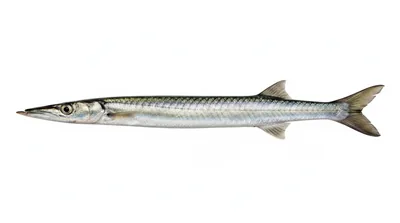
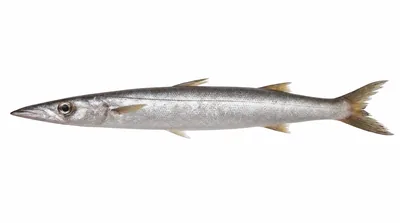
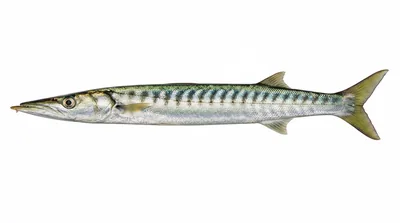
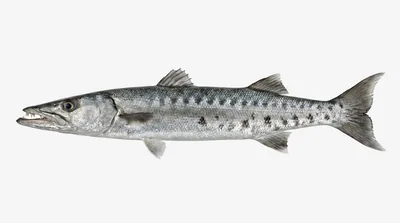
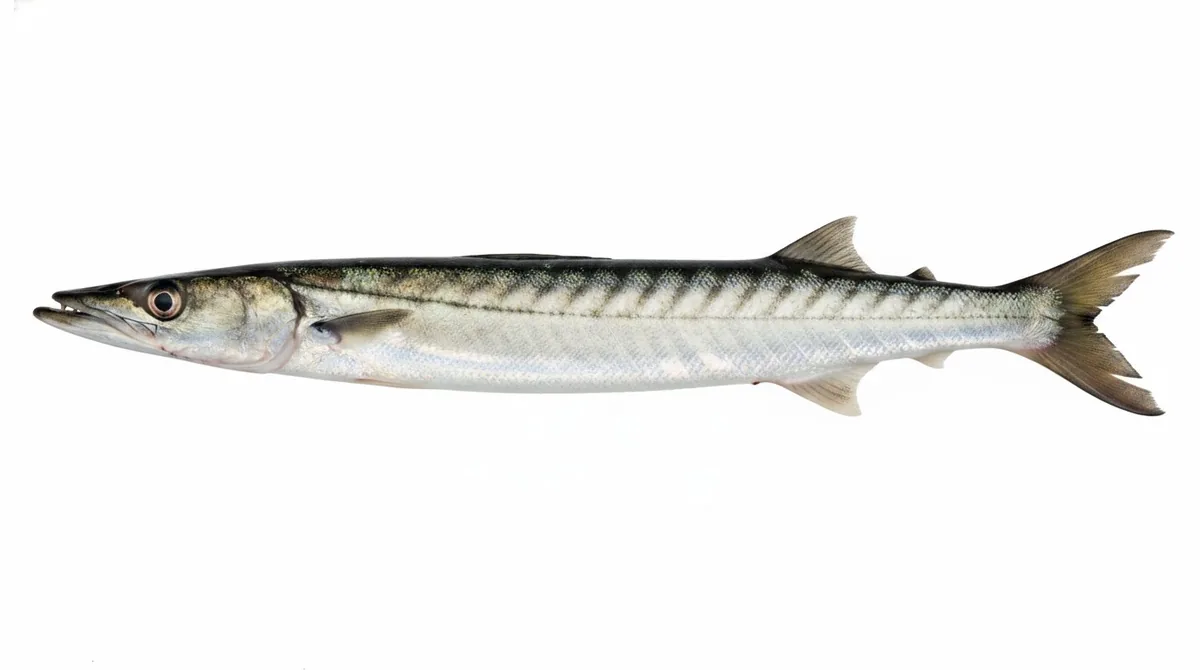
Pacific barracuda
Sphyraena argentea
- Saltwater
- Least Concern
- Max length
- 145 cm
- Class
- Teleostei
- Order
- Carangaria incertae sedis
- Family
- Sphyraenidae
- Genus
- Sphyraena
- Pacific, Eastern Central
- Pacific, Northeast
About the pacific barracuda
Sphyraena argentea (also known as the Pacific barracuda, California barracuda or the silver barracuda) is a predatory species of marine barracuda fish of the family Sphyraenidae. They are found in the northeast Pacific Ocean, from Cabo San Lucas, Baja California Sur north to Washington State. However, they are not common north of Point Conception in Santa Barbara County, California, usually preferring warmer waters. They can reach a length of about 1.2 metres (3.9 ft) and a weight of about 6.8 kilograms (15 lb). This species of barracuda is a very popular sport fish in Southern California.
Distribution
The Pacific barracuda is found in the Northeast Pacific Ocean, typically offshore of the U.S. West Coast. While it is usually considered a pelagic species, and can could be found as far north as southern Alaska, they are most frequently found along the coast of California extending down to the southern tip of Baja California Sur, Guadalupe Island and near the mouth of the Gulf of California. During the winter, the Pacific barracuda migrate in shoals south from the American west coast to Baja California, but generally not further south, though they have been sighted as far south as Panamá's Pacific coast. The Pacific barracuda's natural habitat is in offshore marine waters, typically gravitating closer to shore or coastal areas in adult life; however, when young, Pacific barracuda are sometimes found somewhat further inland in bays or lagoons, and in brackish, shallow waters. Deeper-swimming barracuda have been documented at depths of about 37 m (121'). Barracuda are known to form schools and move across the ocean in these groups.
Behaviour
The Pacific barracuda are a predatory fish, exhibiting aggressive behavior in order to feed on other small fishes. Their diet primarily consists of small fish such as anchovies, small pacific mackerels, grunions, squid, groupers, grunts, and even young barracuda. Their tight schools allow them to herd their prey in shallow waters circled by Barracuda, thus feeding a greater amount of fish. The Barracuda uses its sharp eyesight to find prey, following light or sudden movements in the water that may direct the fish to prey. Their jaw and teeth structure allow them to be fierce predators to their prey. Their jaws also allow them to pump water across their gills. Although considered aggressive predators to smaller fish, the Pacific barracuda are typically harmless to the rest of the surrounding ocean, unlike the Great Barracuda. Their behavior only appears to be violent, however, the Pacific barracuda will swim away when approached and return to their schools.
Description from Wikipedia, available under CC BY-SA.
Where the pacific barracuda lives
Distribution data from GBIF (DOI: 10.15468/dl.8rzs8d).
Also known as
- Barracuda
- California barracuda
- Barracuda argenté
- Barrakuda srebrzysta
- Barracuda plateada
- Калифорнийская барракуда
- Тихоокеанска баракуда
- 銀魣
Where to catch pacific barracuda
- Bristol Bay United States Bay · Alaska
- Columbia River at Astoria United States River · Oregon-Washington
- Monterey Bay United States Bay · California
- Puget Sound at Seattle United States Sound · Washington
- San Diego Bay United States Bay · California
- San Francisco Bay United States Bay · California