Fishing Calendar App
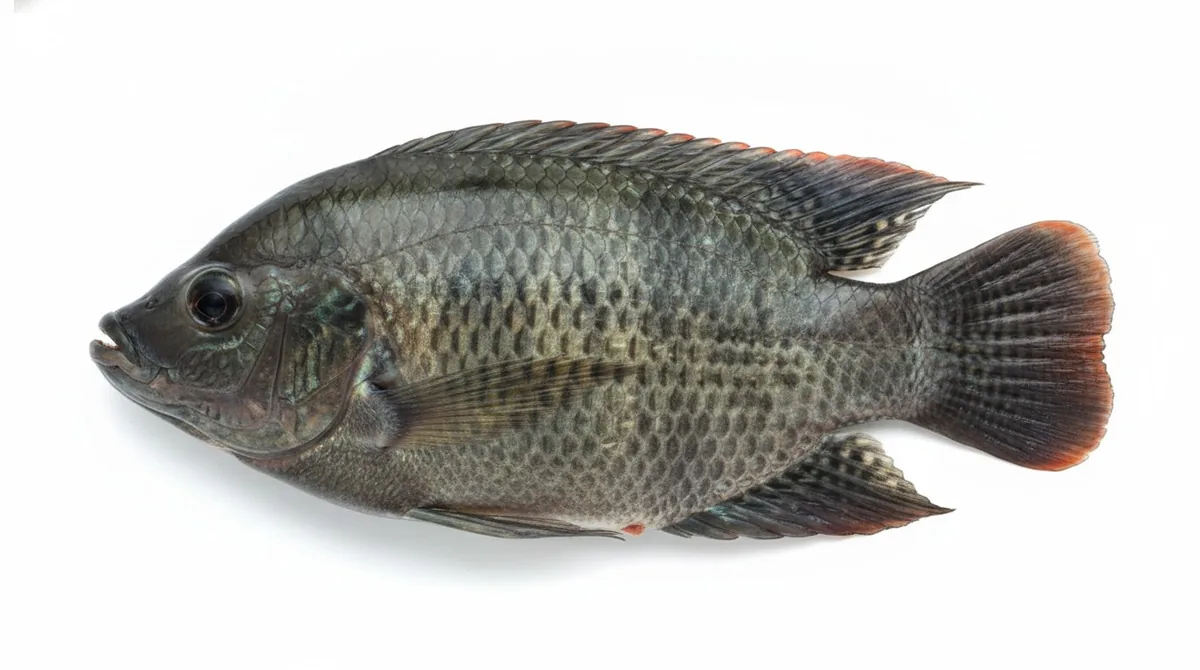
Mozambique tilapia
Oreochromis mossambicus
- Freshwater
- Vulnerable
- Max length
- 39 cm
- Class
- Teleostei
- Order
- Cichliformes
- Family
- Cichlidae
- Genus
- Oreochromis
- Africa - Inland waters
- North America - Inland waters
- South America - Inland waters
- Asia - Inland waters
- Oceania - Inland waters
About the mozambique tilapia
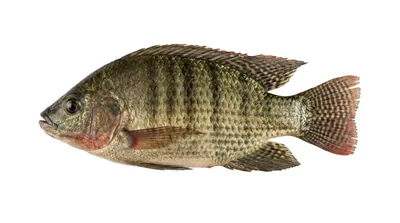
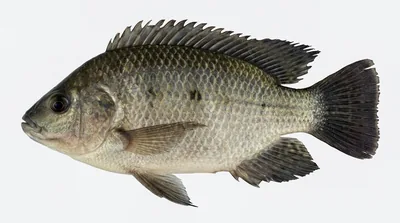
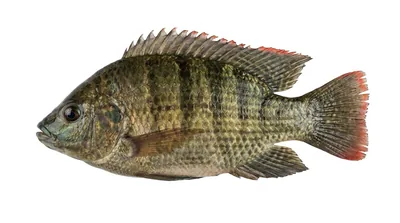
The Mozambique tilapia (Oreochromis mossambicus) is an oreochromine cichlid fish native to southeastern Africa. Dull colored, the Mozambique tilapia often lives up to a decade in its native habitats. It is a popular fish for aquaculture. Due to human introductions, it is now found in many tropical and subtropical habitats around the globe, where it can become an invasive species because of its robust nature. These same features make it a good species for aquaculture because it readily adapts to new situations.
Distribution
The Mozambique tilapia is native to inland and coastal waters in southeastern Africa, from the Zambezi basin in Mozambique, Malawi, Zambia and Zimbabwe to Bushman River in South Africa's Eastern Cape province. It is threatened in its home range by the introduced Nile tilapia. In addition to competing for the same resources, the two readily hybridize. This has already been documented from the Zambezi and Limpopo Rivers, and it is expected that pure Mozambique tilapia eventually will disappear from both.
Otherwise it is a remarkably robust and fecund fish, readily adapting to available food sources and breeding under suboptimal conditions. Among others, it occurs in rivers, streams, canals, ponds, lakes, swamps and estuaries, although it typically avoids fast-flowing waters, waters at high altitudes and the open sea. It inhabits waters that range from 17 to 35 °C (63–95 °F).
Behaviour
Mozambique tilapia are omnivorous. They can consume detritus, diatoms, phytoplankton, invertebrates, small fry and vegetation ranging from macroalgae to rooted plants. This broad diet helps the species thrive in diverse locations.
Due to their robust nature, Mozambique tilapias often over-colonize the habitat around them, eventually becoming the most abundant species in a particular area. When over-crowding happens and resources get scarce, adults will sometimes cannibalize the young for more nutrients. Mozambique tilapia, like other fish such as Nile tilapia and trout, are opportunistic omnivores and will feed on algae, plant matter, organic particles, small invertebrates and other fish. Feeding patterns vary depending on which food source is the most abundant and the most accessible at the time. In captivity, Mozambique tilapias have been known to learn how to feed themselves using demand feeders. During commercial feeding, the fish may energetically jump out of the water for food.
Description from Wikipedia, available under CC BY-SA.
Where the mozambique tilapia lives
Distribution data from GBIF (DOI: 10.15468/dl.8rzs8d).
Also known as
- Tilapia de Mozambique
- Tilapia mosambica
- Tilapia du Mozambique
- Mosambik-Buntbarsch
- Mossambik-Buntbarsch
- Moçambique-tilapia
- Bloukurper
- Valkoleukatilapia
- Iwak mujaèr
- Mujaèr
- Natalbaars
- Mujaér
- Cá rô phi đen
- Mujair
- Мозамбикская тиляпия
- 모잠비크틸라피아
- カワスズメ
- بلطي موزمبيقي
- بلطى نيلى موزمبيقى
- তেলাপিয়া
- ފޫޓު މަސް
- Τιλάπια της Μοζαμβίκης
- تیلاپیای موزامبیکی
- ปลาหมอเทศ
- Тиляпія мозамбіцька
- 莫三比克口孵非鯽
Where to catch mozambique tilapia
- Arkansas River at Salida United States River · live river data
- Cape Fear River United States River · North Carolina
- Green River (Flaming Gorge) United States River · live river data
- Kenai River United States River · Alaska
- Kentucky Lake United States Reservoir · Kentucky-Tennessee
- Lake Champlain United States Lake · live river data