Fishing Calendar App
Coney
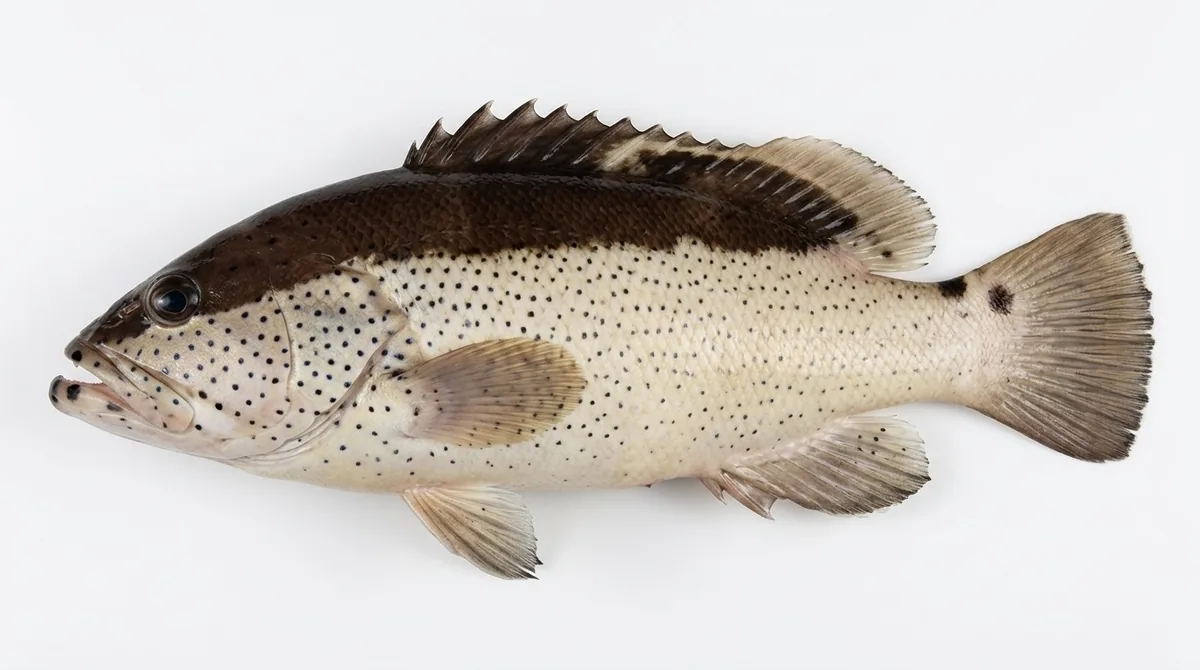
Cephalopholis fulva
- Saltwater
- Least Concern
- Max length
- 44 cm
- Class
- Teleostei
- Order
- Perciformes
- Family
- Epinephelidae
- Genus
- Cephalopholis
- Atlantic, Southwest
- Atlantic, Western Central
About the coney
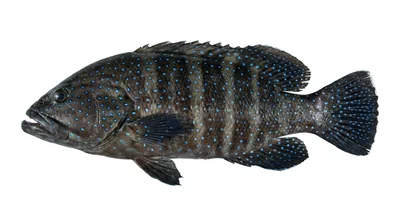
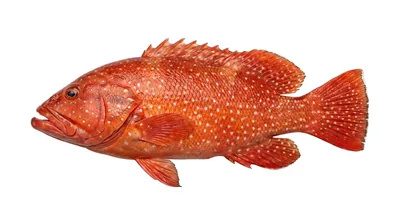
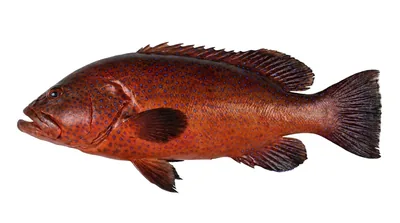
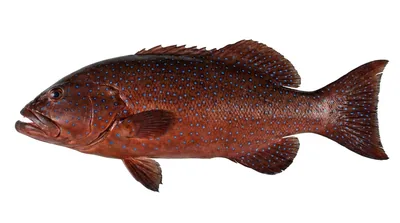
Cephalopholis fulva, the coney or the butterfish, is a species of marine ray-finned fish, a grouper from the subfamily Epinephelinae which is in the family Serranidae which also includes the anthias and sea basses. It is found in the western Atlantic. It is associated with reefs and is a quarry species for commercial and recreational fisheries. It can also be found in the aquarium trade.
Habitat
Cephalopholis fulva are found in coral reefs and clear water, at depths of 1 to 70 metres (3.3 to 229.7 ft), and it may also be found over rocks and coral heads, but only infrequently in the water column. During the day it normally shelters in caves or under ledges. It emerges at night to feed on small fish and crustaceans. They have been known to follow moray eels and snake eels to feed on prey flushed by these predators. The juveniles are mimics of damselfish. The coney is a protogynous hermaphrodite, the females attain sexual maturity at a total length of 16 centimetres (6.3 in) and when they attain a total length of 20 centimetres (7.9 in) they begin to change sex to become males. In Bermuda, females have been reported to be mature at 4 years old. The males are territorial and guard harems of females. Spawning takes place at dusk and occurs over a few days. Small groups made up a male and a number of females take part in the spawning. The breeding season can be as long as ten months off central Brazil although briefer breeding seasons were noted in other areas. On the Abrolhos Bank off Brazil, breeding is from July to August, in Pernambuco it runs from August to October and in Fernando de Noronha spawning occurs July and August, but may extend into September. In Bermuda, spawning has been recorded from May to July. They are reported to have a long larval period which allows for effective and long range dispersal of young. They are thought to grow most rapidly in their early life, attaining around 60% of their possible maximum size in their first year, then the growth rate reduces markedly over the remainder of its life. They have been reported to reach an age of 25 years off Brazil while in tropical areas they grow more quickly and live shorter lives. The oldest fish recorded was from Bermuda and this was 28 years old, Bermudan fish are also the slowest growing.
Distribution
Cephalopholis fulva occurs in the western Atlantic Ocean from South Carolina and Bermuda to the Bahamas and into the Gulf of Mexico where it is found in Florida from the Florida Keys as far north as Cedar Key, Florida and the Flower Garden Banks. In the west of the Gulf of Mexico it is found from Tuxpan in Mexico south along the coast of the northern Yucatan Peninsula and off northwestern Cuba. It also occurs throughout the Caribbean Sea and along the northern coast of South America, with a gap in the region of the Amazon Delta, to southern Brazil, It is also found around the Fernando de Noronha Archipelago, St. Paul's Rocks and Trindade Island.
Description from Wikipedia, available under CC BY-SA.
Where the coney lives
Distribution data from GBIF (DOI: 10.15468/dl.8rzs8d).
Also known as
- Cabrilla roja
- Oranssimeriahven
- Гуативера
- 金黃九棘鱸
Where to catch coney
- Cape Fear River United States River · North Carolina
- Florida Bay (Everglades) United States Bay · Florida
- Florida Keys United States Coast · Florida
- Galveston Bay United States Bay · Texas
- Lake Pontchartrain United States Lake · Louisiana
- Port Aransas United States Coast · Texas