Fishing Calendar App
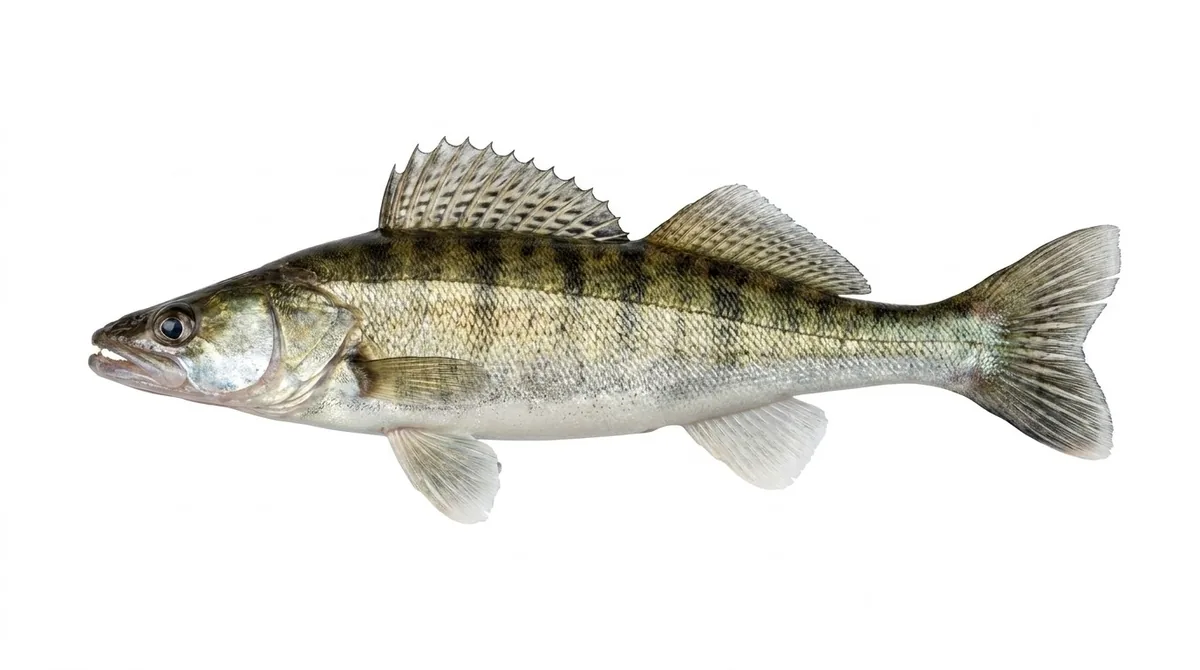
Zander
Sander lucioperca
- Freshwater
- Least Concern
- Max length
- 130 cm
- Class
- Teleostei
- Order
- Perciformes
- Family
- Percidae
- Genus
- Sander
- North America - Inland waters
- Asia - Inland waters
- Europe - Inland waters
About the zander
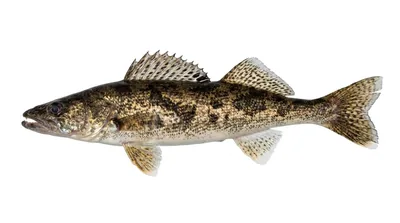
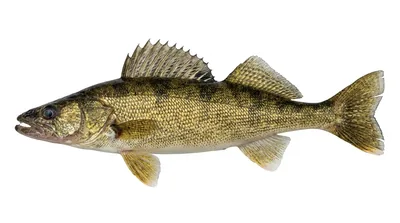
The zander (Sander lucioperca), sander or pikeperch, is a species of ray-finned fish from the family Percidae (which also includes perch, ruffe and darter). It is found in freshwater and brackish habitats in western Eurasia. As a popular game fish, it has been introduced to a variety of localities outside its native range. It is the type species of the genus Sander.
Habitat
Zander inhabit freshwater bodies, especially large rivers and eutrophic lakes. They can tolerate brackish water and will make use of coastal lakes and estuaries. Individuals living in brackish water habitats migrate upriver, as far as 250 kilometres (160 miles) for spawning.
Distribution
The zander is very widely distributed across Eurasia, occurring in the drainages of the Caspian, Baltic, Black, Aral, North and Aegean Sea basins. The northern boundary of its distribution is in Finland. It has been introduced to Great Britain, southern Europe, and continental Europe west of the Elbe, Ebro, Tagus and Jucar drainages, as well as to Anatolia, North Africa, Siberia, Kyrgyzstan, and Kazakhstan.
In the UK, zander was originally introduced in 1878 by Francis Russell, 9th Duke of Bedford, into lakes on his Woburn Abbey estate and soon after that into the Great Ouse Relief Channel in The Fens. British Waterways included zander among a "dirty dozen" non-native species most likely to harm native wildlife along rivers in Great Britain.
Their success in establishing themselves owes to a number of factors, one of which is that they are particularly well adapted to life in the slow-flowing, sparsely vegetated, rather murky waters that comprise so many of the British lowland rivers. Zander thrive in water with rather low visibility, unlike pike, which often dominate the predator fish niche in clear water. However, zander need plenty of oxygen and soon disappear from eutrophic areas.
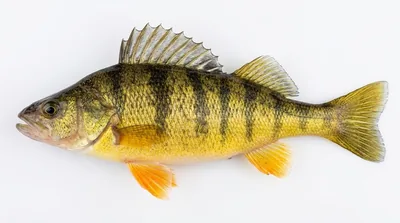
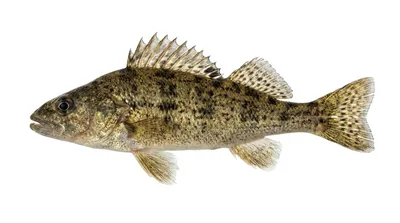
Zander were stocked in Spiritwood Lake, North Dakota in 1989 and have remained ever since. Ecologists believe that if establishment occurs in the Great Lakes they will compete with game fish such as the closely related walleye or yellow perch for food and habitat. Therefore the Government of Ontario is preemptively treating zander as a future invasive species.
In the Netherlands, zander may be found (natively) in many major waterways, including the Waal, Hollands Diep, and other distributaries or estuaries of the Rhine, and are also particularly common in the canals of Amsterdam.
Behaviour
Zander are carnivorous and the adults feed on smaller schooling fish. Studies around the Baltic Sea have found them to prey on the European smelt (Osmerus eperlanus), ruffe (Gymnocephalus cernua), European perch, vendace (Coregonus albula) and the common roach (Rutilus rutilus). They are also found to be cannibalistic on smaller zanders. They have also been recorded feeding on smolts of sea trout (Salmo trutta morph. trutta) and Atlantic salmon (Salmo salar). In the United Kingdom, zander thrive in canals, where the water is turbid due to boat traffic. Although their favoured prey in these waters is the common roach, they have a high impact on the population of gudgeon (Gobio gobio).
Description from Wikipedia, available under CC BY-SA.
Where the zander lives
Distribution data from GBIF (DOI: 10.15468/dl.8rzs8d).
Also known as
- Pike-perch
- Sandre
- Fogasch
- Hechtbarsch
- Sandart
- Sander
- Schill
- Zahnmaul
- Gös
- Sandra
- Smuč
- Lucioperca
- Sandacz pospolity
- Sandacz
- Gjørs
- Adi sıf
- Schü
- Candát obecný
- Draenogyn Cegfawr
- Sandro
- Koha
- Sudak
- Snoekbears
- Fogassüllő
- Starkis
- Zandarts
- Snoekbaars
- Șalău
- Zubáč veľkoústy
- Cander
- Sudak balığı
- Kuha
- Smuđ
- 잔더
- Обыкновенный судак
- Судак обыкновенный
- パイクパーチ
- ザンダー
- قشر البياض
- زاندر
- Судак звычайны
- Судак
- Бяла риба
- سوف
- Көксерке
- Смуѓ
- Шуллю
- Смуђ
- Судак звичайний
- 白梭吻鱸
Where to catch zander
- Neusiedler See Austria Lake · live river data
- Danube River at Regensburg Germany River · live river data
- Elbe River at Hamburg Germany River · live river data
- Havel at Wannsee Germany Lake · live river data
- Lake Plau Germany Lake · live river data
- Main River at Frankfurt Germany River · live river data