Fishing Calendar App
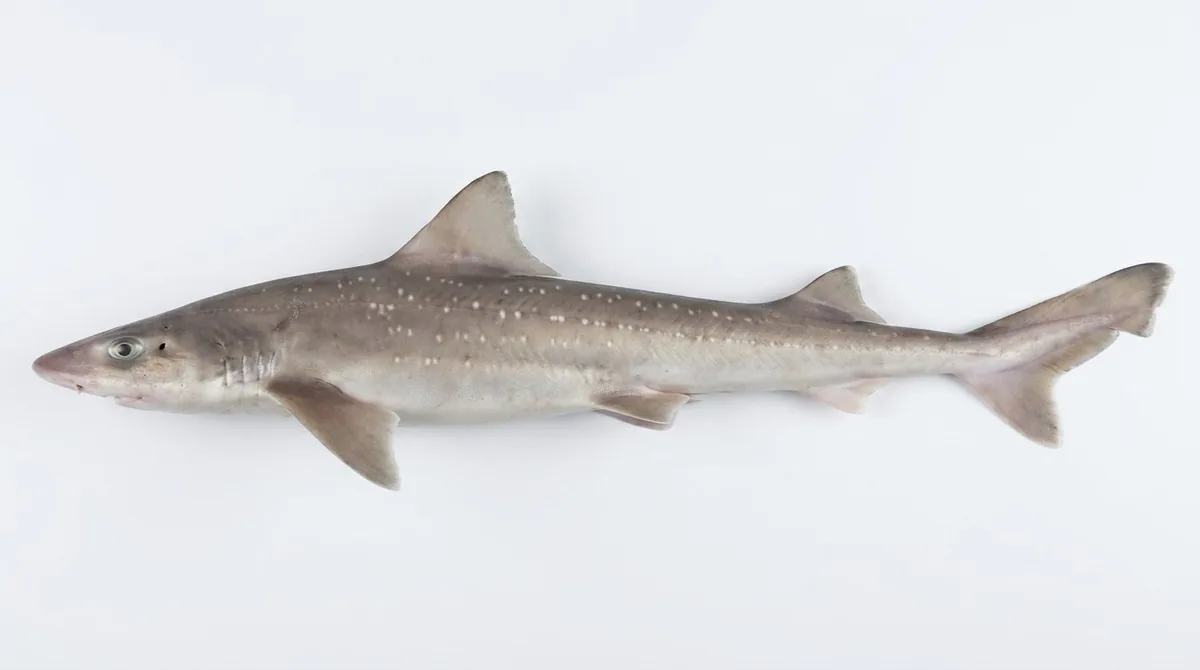
Spotted estuary smooth-hound
Mustelus lenticulatus
- Saltwater
- Least Concern
- Max length
- 151 cm
- Class
- Elasmobranchii
- Order
- Carcharhiniformes
- Family
- Triakidae
- Genus
- Mustelus
- Pacific, Southwest
About the spotted estuary smooth-hound
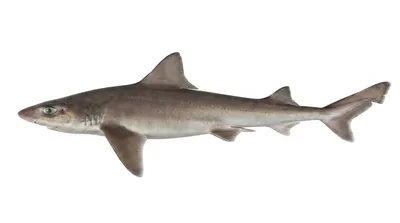
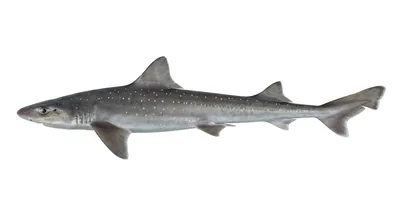
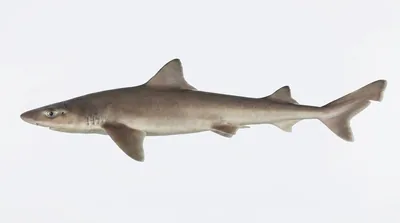
The spotted estuary smooth-hound or rig (Mustelus lenticulatus; Māori: makō) is a houndshark of the family Triakidae, found on the continental shelves and in estuaries around New Zealand. It is closely related to the gummy shark (Mustelus antarcticus) of Australia. Males can grow up to a length of 125 cm (49 in), while females can reach a length of 151 cm (59 in). In 2025, rigs were found to be the first known shark species capable of active sound production, namely, "clicks."
It is commercially fished, and is commonly served in fish and chip shops in New Zealand under the name "lemonfish". In June 2018 the New Zealand Department of Conservation classified the spotted estuary smooth-hound as "not threatened" with the qualifier "conservation dependent" under the New Zealand Threat Classification System.
Description from Wikipedia, available under CC BY-SA.
Where the spotted estuary smooth-hound lives
Distribution data from GBIF (DOI: 10.15468/dl.8rzs8d).
Also known as
- Brakwatertoonhaai
- Новозеландская кунья акула
- ٹھمکنی شکاری
- Куницева акула новозеландська
- 新西蘭星鯊