Fishing Calendar App
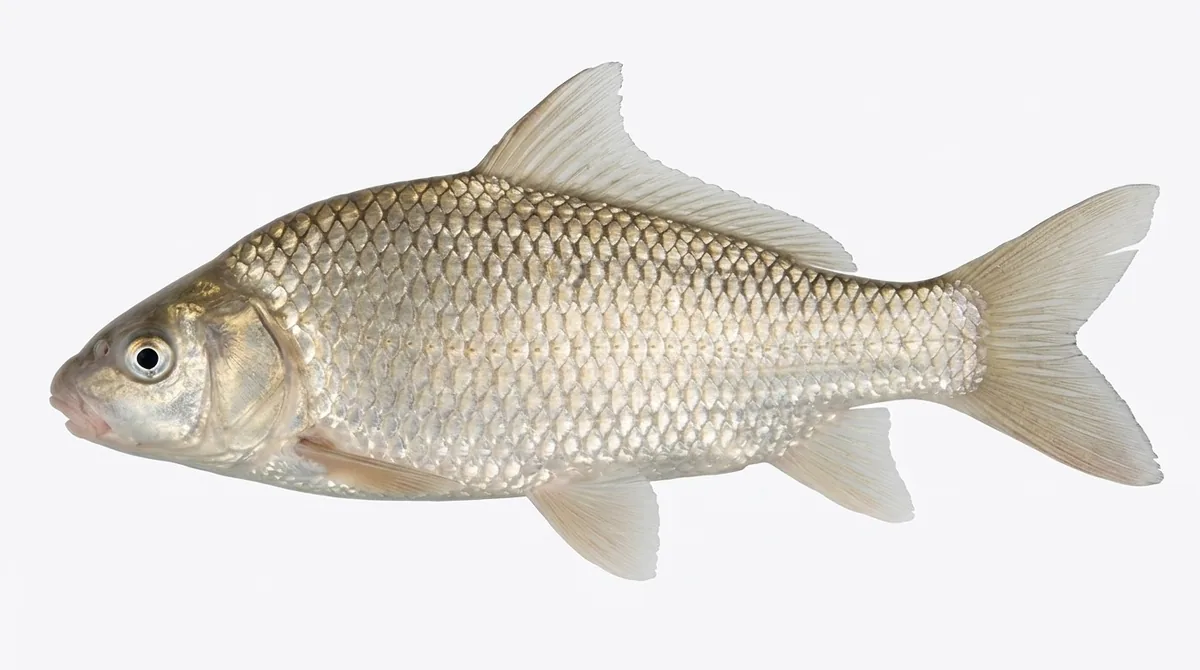
River carpsucker
Carpiodes carpio
- Freshwater
- Least Concern
- Max length
- 64 cm
- Class
- Teleostei
- Order
- Cypriniformes
- Family
- Catostomidae
- Genus
- Carpiodes
- North America - Inland waters
- Asia - Inland waters
About the river carpsucker
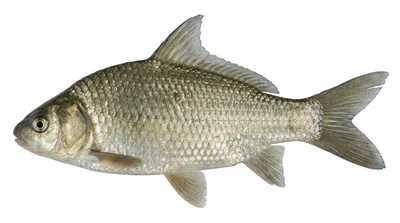
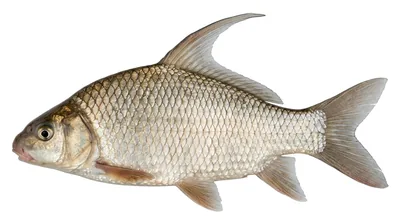
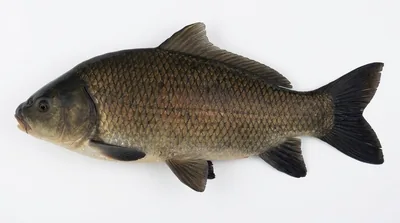
The river carpsucker (Carpiodes carpio) is a long-lived freshwater fish belonging to the Catostomidae that is native to the inland United States and northern Mexico. This species has a slightly arched back and is somewhat stout and compressed. While the fins are usually opaque, in older fish they may be dark yellow. It is distributed along the Mississippi River basin from Pennsylvania to Montana. The river carpsucker, like most suckers, is benthivorous and obtains its nutrients from algae, microcrustaceans, and other various tiny planktonic plants and animals found in silty substrates. Like its congeners, the quillback and highfin carpsucker, the river carpsucker is long-lived, with a known maximum lifespan of 40 years in Colorado, 47 years in Minnesota, and 56 years in Wisconsin. It begins to reproduce typically in late spring, and the female usually releases more than 100,000 eggs. There is no parental care provided.
Habitat
The river carpsucker is classified as a suction, or filter feeder, which means it typically eats algae and small planktonic animals and plants. They get their nutrients from filtering silt and detritus. It is typically preyed on by larger carnivorous fish such as northern pike, muskellunge, walleye, and largemouth bass, but mostly in its juvenile stage. Their largest predators are humans, although some larger birds, such as great blue herons, have been known to eat them. They can be found in large rivers and reservoirs, with sand or silt bottoms in slower-moving currents. The young typically are found in small streams, or tributaries. They are more abundant in areas with slower water velocity and moderate temperatures.
Distribution
The river carpsucker has historically occupied the Mississippi River basin from Pennsylvania to Montana. It also currently occupies the Gulf Slope Drainage from the Calcasieu River to the Rio Grande in Texas, Louisiana, and New Mexico. It was introduced to Lake Erie and the lower Maumee River, Ohio. It was supposedly deliberately introduced with a shipment of buffalofish as a game species, and they are currently used in sport fishing. The effects of its introduction have not been studied, so are not well known. However, failure to find more river carpsuckers in the lower Maumee River suggests this species never took hold in this area. In the spring, they migrate upstream as the water temperatures begin to rise, and then move back downstream after spawning. They have been known to travel distances of up to 10 kilometers (6.2 mi).
Description from Wikipedia, available under CC BY-SA.
Where the river carpsucker lives
Distribution data from GBIF (DOI: 10.15468/dl.8rzs8d).
Also known as
- Matalote chato
- 鯉亞口魚
Where to catch river carpsucker
- Green River (Flaming Gorge) United States River · live river data
- Arkansas River at Salida United States River · live river data
- Cape Fear River United States River · North Carolina
- Kenai River United States River · Alaska
- Kentucky Lake United States Reservoir · Kentucky-Tennessee
- Lake Champlain United States Lake · live river data