Fishing Calendar App
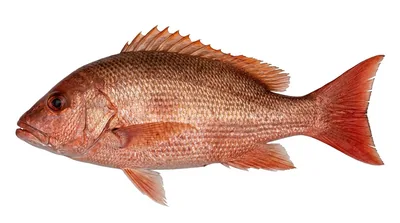
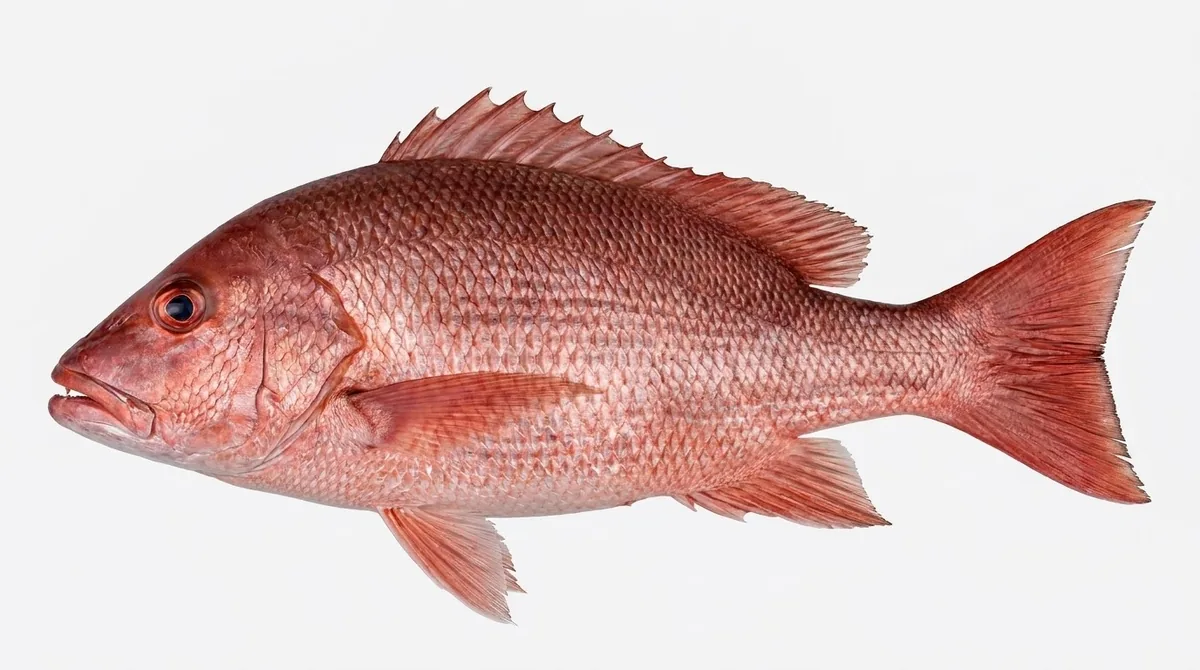
Northern red snapper
Lutjanus campechanus
- Saltwater
- Vulnerable
- Max length
- 100 cm
- Class
- Teleostei
- Order
- Eupercaria incertae sedis
- Family
- Lutjanidae
- Genus
- Lutjanus
- Atlantic, Western Central
- Pacific, Eastern Central
About the northern red snapper
The northern red snapper (Lutjanus campechanus) is a species of marine ray-finned fish, a snapper belonging to the family Lutjanidae. It is native to the western Atlantic Ocean, the Caribbean Sea, and the Gulf of Mexico, where it inhabits environments associated with reefs. This species is commercially important and is also sought after as a game fish.
It is closed related to Lutjanus purpureus, the southern red snapper or Caribbean red snapper, and both have been considered to be the same species in the past.
Distribution
The northern red snapper is found at a depth of 30 to 620 feet in the Gulf of Mexico, the Caribbean Sea, and the southeastern Atlantic coast of Mexico and the United States and much less commonly northward as far as Massachusetts. In Latin American Spanish, it is known as mero, huachinango, pargo, or chillo.
This species commonly inhabits waters from 9–60 m (30–200 ft), but can be caught as deep as 90 m (300 ft) on occasion. They stay relatively close to the bottom, and inhabit rocky bottoms, ledges, ridges, and artificial reefs, including offshore oil rigs and shipwrecks. Like most other snappers, northern red snapper are gregarious and form large schools around wrecks and reefs. These schools are usually made up of fish of very similar size.
The preferred habitat of this species changes as it grows and matures due to increased need for cover and changing food habits. Newly hatched red snapper spread out over large areas of open benthic habitat, then move to low-relief habitats, such as oyster beds. As they near one year of age, they move to intermediate-relief habitats as the previous year's fish move on to high-relief reefs with room for more individuals. Around artificial reefs such as oil platforms, smaller fish spend time in the upper part of the water column while more mature (and larger) adults live in deeper areas. These larger fish do not allow smaller individuals to share this territory. The largest red snapper spread out over open habitats, as well as reefs.
Description from Wikipedia, available under CC BY-SA.
Where the northern red snapper lives
Distribution data from GBIF (DOI: 10.15468/dl.8rzs8d).
Also known as
- Red snapper
- Nördlicher Schnapper
- Röd snapper
- Huachinango del Golfo
- Vivaneau campèche
- Luciano-do-Golfo
- Vermelho
- Chňapal velkoskvrnný
- Punanapsija
- Kakap merah utara
- Rode snapper
- Кампечинский луциан
- سرخوی شمالی
- 西大西洋笛鯛
Where to catch northern red snapper
- Cape Fear River United States River · North Carolina
- Florida Bay (Everglades) United States Bay · Florida
- Florida Keys United States Coast · Florida
- Galveston Bay United States Bay · Texas
- Lake Pontchartrain United States Lake · Louisiana
- Port Aransas United States Coast · Texas