Fishing Calendar App
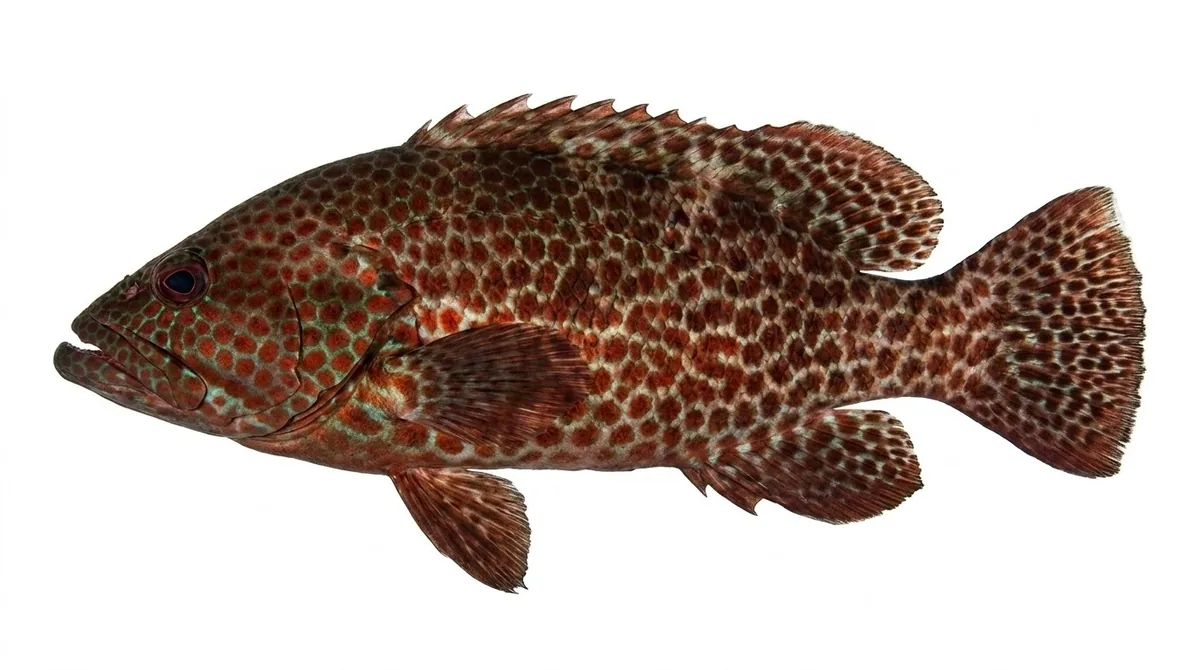
Graysby
Cephalopholis cruentata
- Saltwater
- Least Concern
- Max length
- 43 cm
- Class
- Teleostei
- Order
- Perciformes
- Family
- Epinephelidae
- Genus
- Cephalopholis
- Atlantic, Western Central
- Pacific, Eastern Central
About the graysby
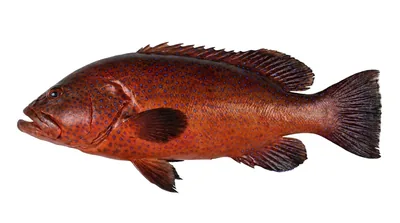
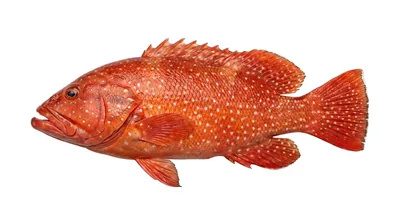
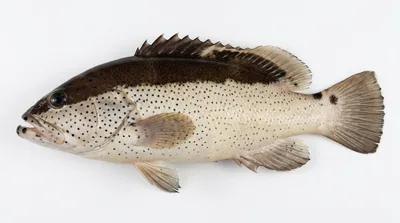
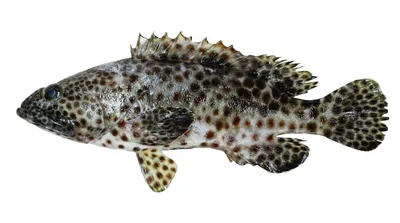
The graysby (Cephalopholis cruentata) is a species of marine ray-finned fish, a grouper from the subfamily Epinephelinae which is in the family Serranidae which also includes the anthias and sea basses. It is found in the western Atlantic. It is associated with reefs and is a quarry species for commercial and recreational fisheries.
Habitat
The graysby inhabits Thalassia beds and coral reefs. In the Gulf of Mexico, they are found on rocky reef ledge in depths greater than 27 metres (89 ft). A solitary and secretive species, they usually stay near hiding places during the day. They prefer to remain within a small area of the home range of about 2,120 square metres (0.52 acres), especially during the day. The graysby is a nocturnal predator, adults feed mainly on fishes, with preference on Chromis multilineata, juveniles feed on shrimps. These fishes are protogynous hermaphrodites they all start life as female to male becoming males in their middle age. Sex change takes place at 4 or 5 years old and at lengths of 20 to 23 centimetres (7.9 to 9.1 in). The change in sex occurs straight after the spawning period in August and September. The males vigorously guard a harem which have an average of one male to six female. When spawning, a female will releases between 260 and 600 eggs and the male then releases his milt to fertilise them. They can live for up to 13 years.
It is parasitized by Pseudorhabdosynochus meganmarieae.
Distribution
The Graysby is found in the western Atlantic Ocean, the Caribbean Sea and the Gulf of Mexico. It is found from Cape Fear, North Carolina and Bermuda south to the Caribbean coast of South America. Claims of this species being recorded from Brazil require confirmation.
Description from Wikipedia, available under CC BY-SA.
Where the graysby lives
Distribution data from GBIF (DOI: 10.15468/dl.8rzs8d).
Also known as
- Cherna enjambre
- Coné essaim
- Bloedrode juweelbaars
- Гаррупа-мармита
- 加勒比九棘鱸
Where to catch graysby
- Cape Fear River United States River · North Carolina
- Florida Bay (Everglades) United States Bay · Florida
- Florida Keys United States Coast · Florida
- Galveston Bay United States Bay · Texas
- Lake Pontchartrain United States Lake · Louisiana
- Port Aransas United States Coast · Texas