Fishing Calendar App
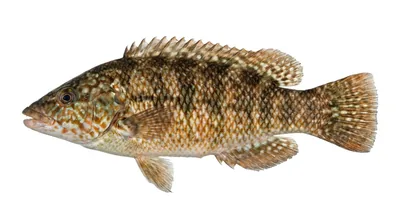
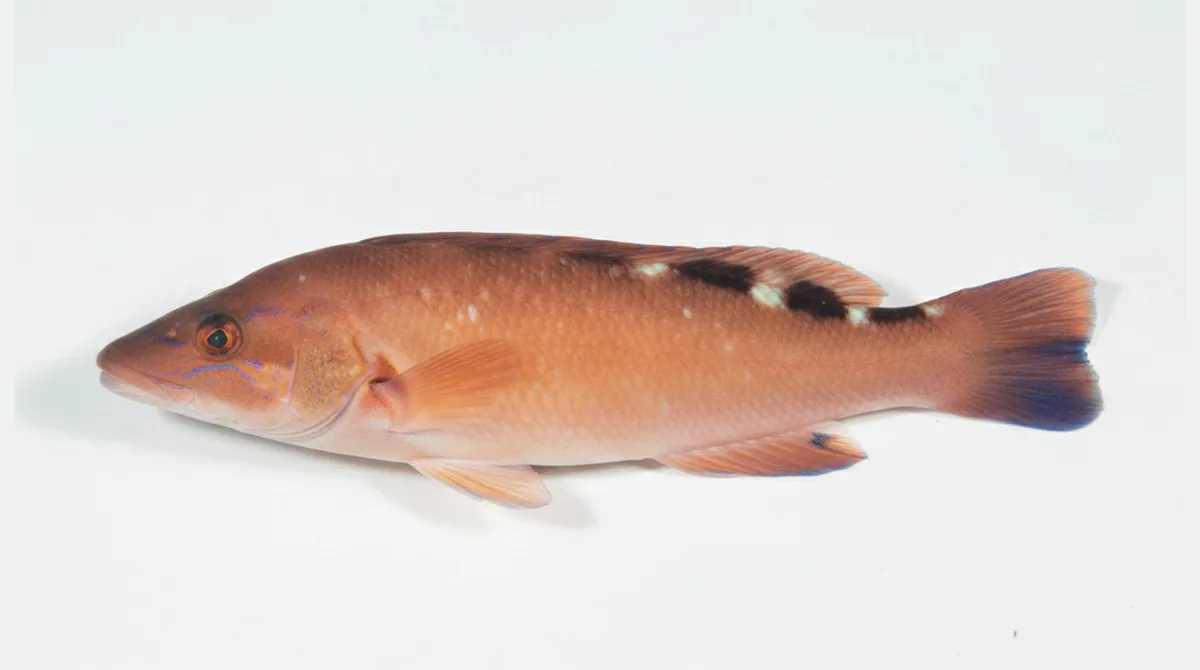
Cuckoo wrasse
Labrus mixtus
- Saltwater
- Least Concern
- Max length
- 40 cm
- Class
- Teleostei
- Order
- Eupercaria incertae sedis
- Family
- Labridae
- Genus
- Labrus
- Atlantic, Northeast
- Mediterranean and Black Sea
About the cuckoo wrasse
The cuckoo wrasse (Labrus mixtus) is a species of wrasse native to the eastern Atlantic Ocean from Norway to Senegal, including the Azores and Madeira. It is also found in the Mediterranean Sea. They occur in weedy, rocky areas mostly between 40 and 80 m (130 and 260 ft). This species is an occasional food fish for local populations but is also popular as a game fish. It is also a popular fish for display in public aquaria.
Habitat
The cuckoo wrasse is found where there are rocks and other hard substrates in the algal zone at depths of 2–200 metres (6 ft 7 in – 656 ft 2 in), but are mainly found between 20–80 metres (66–262 ft). It is also associated with area dominated by coralline algae. This species shows a preference for slightly deeper water than the ballan wrasse, with which it is sympatric off western Europe and only occasionally enters very shallow inshore waters. In the Azores adults of this species is normally not encountered above depths of 50 metres (160 ft), although juveniles may be found at shallower depths occasionally.
They are normally found occurring as solitary individuals or in pairs with young. They are oviparous and the female can lay up to a thousand eggs in a dish-shaped nest made by the male from algae, which he then guards. The cuckoo wrasse is a protogynous hermaphrodite, and females can change sex into males, a process which takes around seven months.
The diet consists mainly of crustaceans but it will also take fishes, molluscs and worms/
Distribution
The cuckoo wrasse occurs in the north east Atlantic Ocean along the coast of Europe from Norway south to Andalusia and along the Atlantic coast of north Africa south to Senegal. It occurs off the Canary Islands, the Azores and Madeira too. Its range extends into the Mediterranean Sea as far as Cyprus, where it is common, but it is absent from the Levantine Sea.
Description from Wikipedia, available under CC BY-SA.
Where the cuckoo wrasse lives
Distribution data from GBIF (DOI: 10.15468/dl.8rzs8d).
Also known as
- Crénilabre
- Petite vielle
- Vieille coquette
- Kuckuckslippfisch
- Wargacz tęczak
- Blågylta
- Bodião-canário
- Blåstål
- Smokva
- Kogez
- Sanut
- Gwrachen Resog
- Txilibitu
- Sinihuulikala
- Gaián
- Koekoekslipvis
- Blåstål og raudnebb
- Пятнистый губан
- زمردماهی کوکو
- Губань-зозуля
- 紅紋隆頭魚
- لبروس مختلط
Where to catch cuckoo wrasse
- Dubrovnik Coast Croatia Coast · Dubrovnik-Neretva
- Istria Coast Croatia Coast · Istria
- Kornati Archipelago Croatia Archipelago · Šibenik-Knin
- Kvarner Gulf Croatia Gulf · Kvarner
- Neretva Delta Croatia Delta · live river data
- Pag Channel Croatia Channel · Zadar