Fishing Calendar App
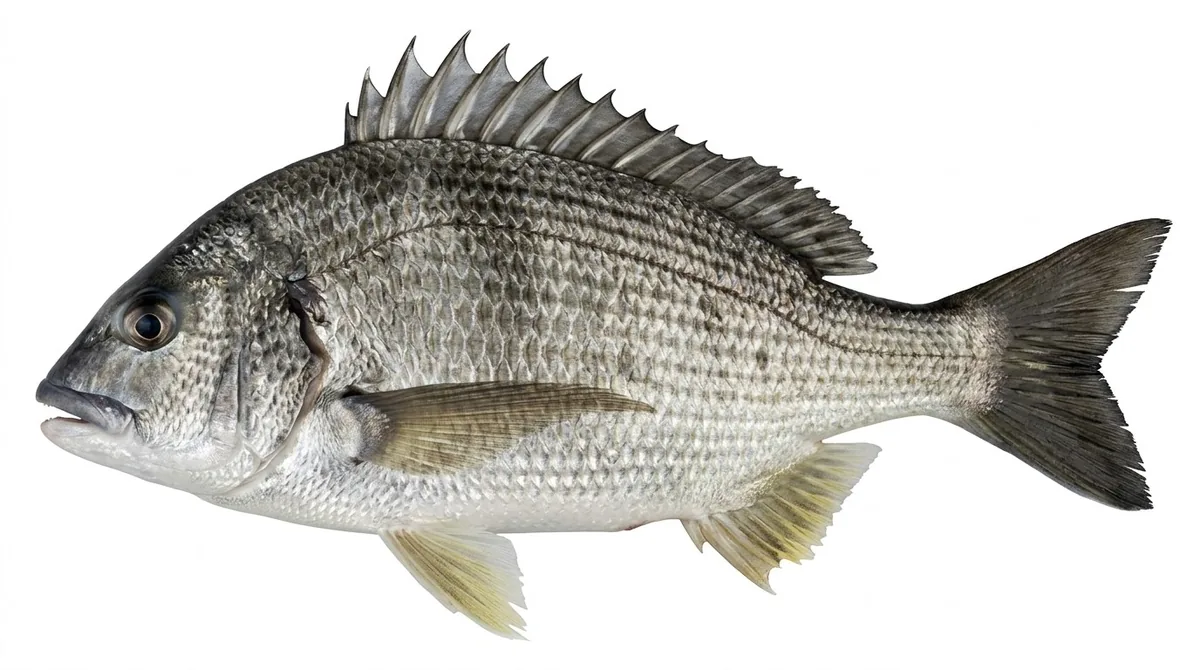
Blue-nosed bream
Acanthopagrus butcheri
- Freshwater & Saltwater
- Least Concern
- Max length
- 60 cm
- Class
- Teleostei
- Order
- Eupercaria incertae sedis
- Family
- Sparidae
- Genus
- Acanthopagrus
- Indian Ocean, Eastern
- Oceania - Inland waters
About the blue-nosed bream
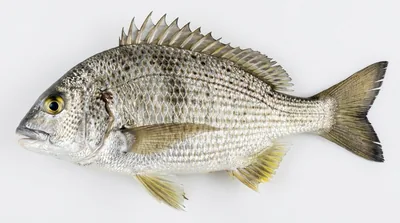
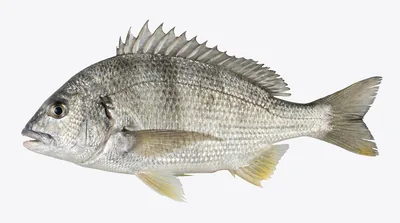
The black bream (Acanthopagrus butcheri), also commonly known as the southern black bream, southern bream and blue-nosed bream, is a species of anadromous ray-finned fish of the porgy family Sparidae. A deep-bodied fish, it is occasionally confused with other similar species that occur within its range, but is generally distinguished from these species by a lack of yellow ventral and anal fins. Southern black bream are endemic to the southern coasts of Australia from Shark Bay in Western Australia to Ulladulla, New South Wales, as well as Tasmania.
The black bream is primarily an inhabitant of brackish waters of estuaries and coastal lakes, rarely entering the open ocean, as it cannot complete its life cycle in a fully marine environment. During the breeding season, the species is known to penetrate into the upper reaches of rivers to spawn, causing an influx of juveniles in the estuaries a few months later. It is an opportunistic predator, consuming a wide range of crustaceans, molluscs, polychaetes and forage fish.
The southern black bream is a major target for both commercial and recreational fishing due to its high-quality flesh, with over 300 tonnes of yield taken each year by commercial fisheries. Anglers also pursue the fish for its sporting qualities, with the development of lure fishing for bream adding to this attraction. Aquaculture techniques for the species are being developed, but its slow growth rate poses a major hurdle to large scale food production.
Distribution
The southern black bream is endemic to southern Australia, inhabiting coastal waters from Shark Bay, Western Australia in the west to Mallacoota, Victoria in the east and south around the entire Tasmanian coastline. The species is primarily an inshore species, although has been found on rare occasions on deeper reefs on the continental shelf.
Southern black bream primarily inhabit estuarine environments, penetrating into the far reaches of freshwater creeks and rivers during the summer spawning season. They are also known from a number of coastal lakes and intermittently open estuaries. In estuarine and freshwater environments they seek out the cover of structures such as fallen tree branches, jetties, oyster leases and rocky areas, while in deeper areas of coastal lakes, they are often found over bare mud and sand substrates. The species is rarely found in the ocean, but are often washed out of creeks during times of high river flow and are able to survive in the marine environment, where they inhabit inshore reefs and rocky shorelines.
The species is most common in southern Victoria, where it inhabits numerous estuaries. The Gippsland Lakes, Mallacoota Inlet and Lake Tyers are the most densely populated bodies of water in the state and the species is often found along the coast. It is not as prolific in South Australia, with the Coorong and Kangaroo Island being the main bream-producing areas in the state. The low numbers may be correlated with the state's lack of rivers and estuaries, although bream have been caught in unexpected areas, including the Gulfs, as well as deep rocky reefs off Streaky Bay in lobster traps. Southern black bream are prevalent in southern Western Australia, with large numbers of estuaries holding the species. The Culham and Stokes Inlets are known to have large populations of the fish.
Behaviour
Southern black bream are opportunistic omnivores, consuming a wide range of prey, including sessile, burrowing, benthic and pelagic species. The diet of the species varies between rivers, with their opportunistic feeding methods showing little pattern between seasons, although they appear to have certain prey preferences when two or more possible prey species are present. Crustaceans, including crabs, prawns, amphipods and copepods, are commonly taken, as are a number of polychaete and annelid worms. Bivalves such as mussels and cockles are crushed in the bream's powerful jaws, with small fish such as gobies and anchovies also taken. Algae of the genus Enteromorpha are also a major component of most fish's diets. Fish feeding in the upper reaches of river have different prey, reflecting the freshwater fauna, with insects, hardyheads, tadpoles, brine shrimp and gastropods taken. Studies from the Swan River suggest that there is a shift in diet with age. Younger fish consume amphipods, polychaetes and small individuals of various molluscs. The number of amphipods consumed decreased in the diets of older fish while the number of large molluscs, crabs and teleosts taken increased. The fish actively forage the substrate while swimming with their head down, snapping their prey down with little chewing.
Description from Wikipedia, available under CC BY-SA.
Where the blue-nosed bream lives
Distribution data from GBIF (DOI: 10.15468/dl.8rzs8d).
Also known as
- Southern black bream
- Southern bream
- Kurisi hitam
- 블루노즈
- Црна деверика
- 布氏棘鯛