Fishing Calendar App
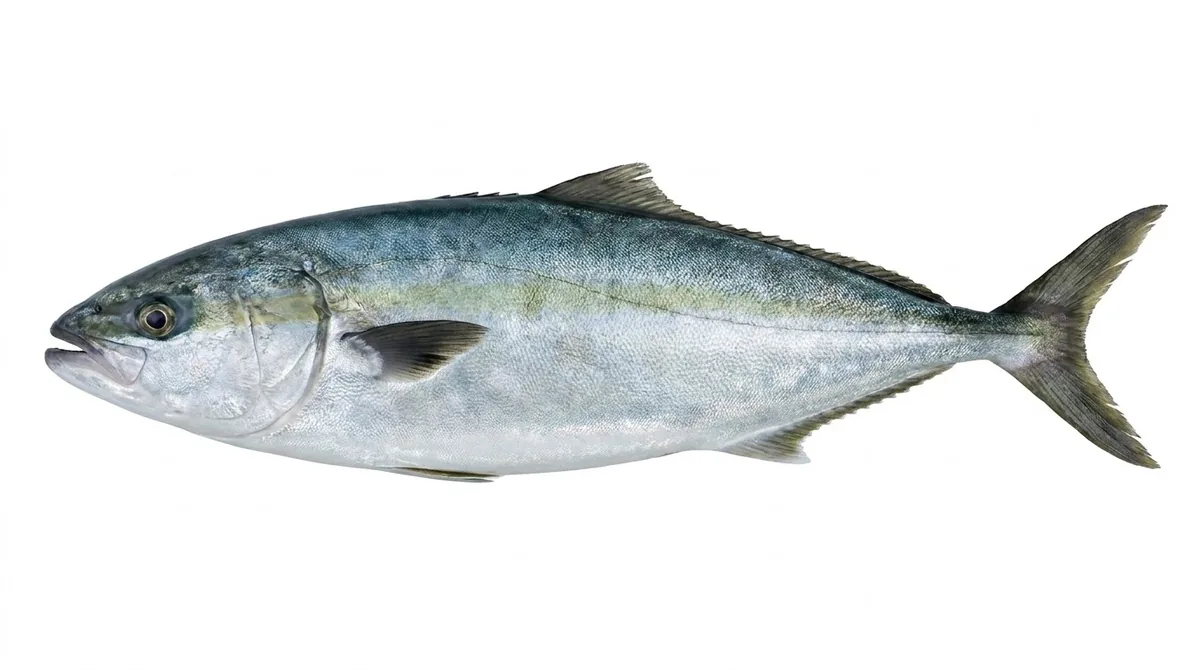
Yellowtail amberjack
Seriola lalandi
- Saltwater
- Least Concern
- Max length
- 200 cm
- Class
- Teleostei
- Order
- Carangiformes
- Family
- Carangidae
- Genus
- Seriola
- Atlantic, Northwest
- Atlantic, Southeast
- Indian Ocean, Western
- Pacific, Eastern Central
- Pacific, Southwest
- Pacific, Western Central
About the yellowtail amberjack
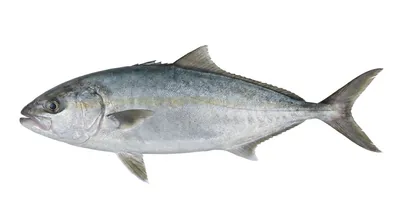
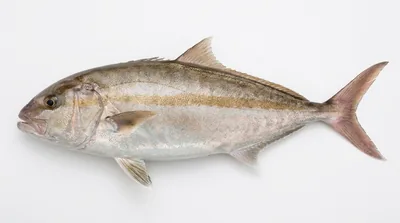
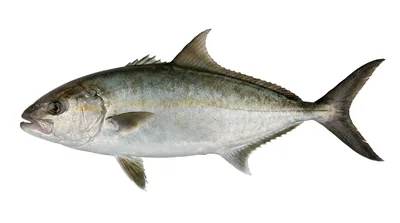
The yellowtail amberjack, yellowtail kingfish, hiramasa or great amberjack (Seriola lalandi) is a large fish found in the oceans of the Southern Hemisphere. Although previously thought to be found in all oceans and seas, recent genetic analysis restricts S. lalandi proper to the Southern Hemisphere waters. However, they are found in Northern Hemisphere waters during certain times of the year. The fish was given its name by Monsieur de Lalande, a naturalist who first informed zoologist Achille Valenciennes of the existence of this species. His reason for the use of the word Seriola (feminine diminutive form of seria, a large earthenware pot) to name the fish is uncertain, but the second word lalandi was derived from his surname.
Distribution
The yellowtail amberjack occurs in tropical and temperate waters of the Southern Hemisphere and the northern Pacific. In Australia, it is recorded from North Reef, Queensland, (23° 11′ S) to Trigg Island, Western Australia, (31° 52′ S), and as far south as Tasmania.
The yellowtail amberjack (or yellowtail kingfish as it is known in Australia) is a highly mobile pelagic species, and tends to either form single-species schools, or combine with southern bluefin tuna (Thunnus maccoyii) and silver trevally (Pseudocaranx dentex). They prefer water temperatures of 17‒24 °C.
In general, they inhabit rocky reefs and adjacent sandy areas in coastal waters and occasionally enter estuaries. They are found from shallow water down to depths around 50 m, although have been caught from over 300 m.
Young fish up to 7 kg are known to form shoals of several hundred fish. They are generally found close to the coast, while larger fish are more common around deep reefs and offshore islands. Juvenile yellowtail amberjack are rarely seen, as they are often found far from land associated with floating debris or weed which provide camouflage. Juveniles are yellow with black bands. This colouration fades as the fish ages, and by about 30 cm in length, the fish has assumed its adult colouration.
Behaviour
Yellowtail amberjacks are known for their curiosity around human vessels. The fish often accompany stingrays in harbours and estuaries, making use of the stingrays ability to sense fish through electroreception.
Description from Wikipedia, available under CC BY-SA.
Where the yellowtail amberjack lives
Distribution data from GBIF (DOI: 10.15468/dl.8rzs8d).
Also known as
- Hiramasa kingfish
- Yellowtail
- Yellowtail jack
- Yellowtail kingfish
- Medregal rabo amarillo
- Sériole à queue jaune
- Sériole chicard
- Liche
- Australische Gelbschwanzmakrele
- Sydseriola
- Geelstert
- Círvia de cua groga
- Kranas americký
- Keltapyrstöpiikkimakrilli
- Золотистая лакедра
- Сериола полосатая
- 부시리
- ヒラマサ
- Жълтоопашата кехлибарена риба
- عنبرماهی دمزرد
- סריול ללנדי
- 黄条鰤
Where to catch yellowtail amberjack
- Cape Cod Bay United States Bay · Massachusetts
- Chesapeake Bay United States Estuary · Maryland and Virginia
- Delaware Bay United States Bay · Delaware-New Jersey
- Long Island Sound United States Sound · New York-Connecticut
- Outer Banks United States Coast · North Carolina