Fishing Calendar App
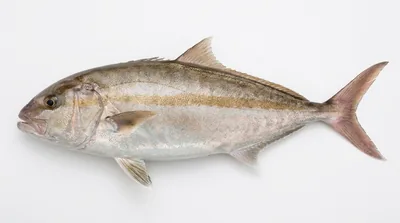
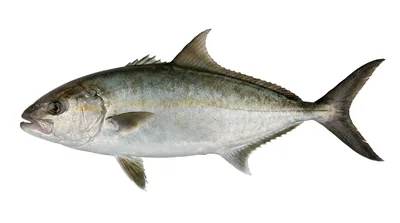
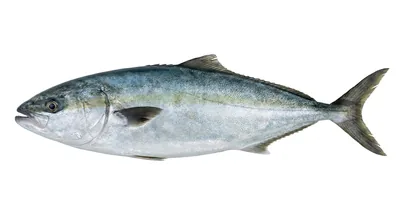
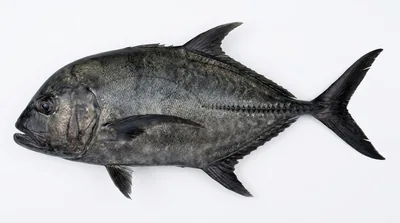
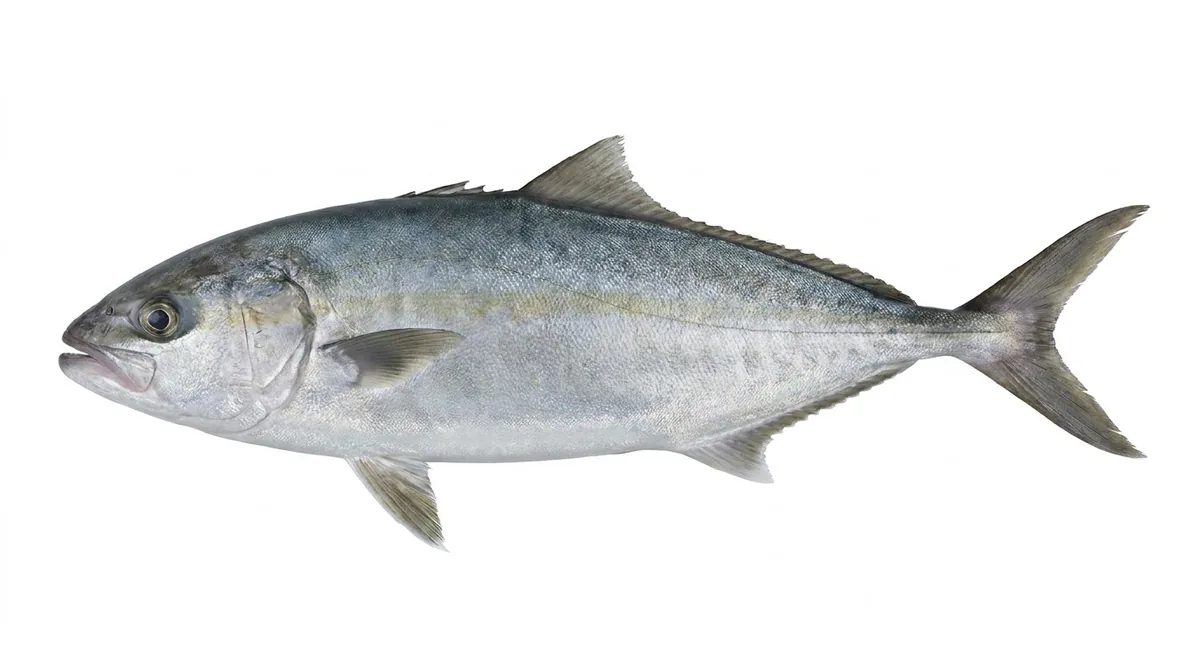
Greater amberjack
Seriola dumerili
- Saltwater
- Least Concern
- Max length
- 190 cm
- Class
- Teleostei
- Order
- Carangiformes
- Family
- Carangidae
- Genus
- Seriola
- Atlantic, Northwest
- Atlantic, Western Central
- Indian Ocean, Eastern
- Mediterranean and Black Sea
- Pacific, Eastern Central
- Pacific, Northwest
- Pacific, Western Central
About the greater amberjack
The greater amberjack (Seriola dumerili), also known as the allied kingfish, great amberfish, greater yellowtail, jenny lind, sea donkey, purplish amberjack, reef donkey, rock salmon, sailors choice, yellowtail, and yellow trevally, is a species of predatory ray-finned fish in the family Carangidae, the jacks and pompanos. It is found in temperate, subtropical, and tropical seas around the world. It is a popular quarry species for recreational fisheries and is important in commercial fisheries. It is the largest species in the family Carangidae.
Habitat
The greater amberjack is found as solitary individuals or in small to moderate-sized schools, which are epibenthic and pelagic and occur in the vicinity of reefs, deep offshore caves, drop-offs, rocky outcrops, and deep seaward reefs. It sometimes enters coastal bays, while the juveniles are infrequently recorded quite far well out to sea where they shelter among floating algae, such as Sargassum, and debris. It can also be found over wrecks. Smaller individuals, less than 3 kg (6.6 lb), can be caught in shallow water, while the larger fish prefer deeper water, normally 18–72 m (59–236 ft) and have been recorded at depths of 360 m (1,180 ft).
Distribution
The greater amberjack has an almost circumglobal distribution in the world's subtropical and tropical seas and oceans. In the Indian Ocean, it is found along the African coast from South Africa east through the Persian Gulf to Western Australia and southern Japan, reaching the Hawaiian Islands and Micronesia in the Pacific Ocean. It reaches as far south as the island of Tasmania off the coast of Australia. In the western Atlantic Ocean, this species is found around Bermuda and on the North American coast as far north as Nova Scotia extending south as far as Brazil, including the Gulf of Mexico and the Caribbean Sea. In the eastern Atlantic Ocean, it has been recorded as a vagrant as far north as the British Isles and is found off in the Bay of Biscay south to Morocco and in the Mediterranean Sea. It may occur along the west African coast, but may be confused with the similar Seriola carpenteri.
Behaviour
Greater amberjacks are opportunistic predators when they are adults, which prey on benthic and pelagic fishes, as well as cephalopods and crustaceans. Common fish prey species include the bigeye scad (Selar crumenophthalmus) and sardines (Sardinella aurita and Sardina pilchardus). The juvenile fish feed on plankton, including the larvae of decapods and other small invertebrates. The juveniles switch to feeding on larger prey such as larger benthic and nektonic organisms when they attain a length of 8–12 cm (3.1–4.7 in), and once they have grown larger than 12 cm (4.7 in), they restrict their prey choice to animals that swim on or over the substrate; when they attain 20 cm (7.9 in), they are mainly piscivorous and at this size, they move from open waters to more coastal areas.
Description from Wikipedia, available under CC BY-SA.
Where the greater amberjack lives
Distribution data from GBIF (DOI: 10.15468/dl.8rzs8d).
Also known as
- Amberjack
- Greater yellowtail
- Allied kingfish
- Great amberfish
- Jenny lind
- Purplish amberjack
- Rock salmon
- Yellow trevally
- Leccia
- Seriola di Dumeril
- Gof
- Medregal coronado
- Pez de limón
- Sériole couronnée
- Sériole
- Große Bernsteinmakrele
- Seriola olbrzymia
- Bårnstensfisk
- Seriola
- Írio
- Grootgeelstert
- Círvia
- Marang
- Kranas Dumerilův
- Stor Ravfisk
- Isopiikkimakrilli
- Peixe limón
- Kuwe batu
- Aji-aji jalur kuning
- Grote geelstaart
- Sarıkuyruk
- Cá cam
- Lumu-an
- Âng-kam
- Высокотелая лакедра
- 잿방어
- カンパチ
- سريولة المتوسط
- السريولا الاكبر
- Едра кехлибарена риба
- Μαγιάτικο
- عنبرماهی بزرگ
- סריול אטלנטי
- 高體鰤
Where to catch greater amberjack
- Dubrovnik Coast Croatia Coast · Dubrovnik-Neretva
- Istria Coast Croatia Coast · Istria
- Kornati Archipelago Croatia Archipelago · Šibenik-Knin
- Kvarner Gulf Croatia Gulf · Kvarner
- Neretva Delta Croatia Delta · live river data
- Pag Channel Croatia Channel · Zadar